Panam City, Medieval ruins in Sonargaon, Bangladesh
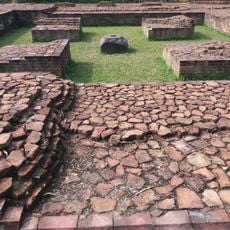
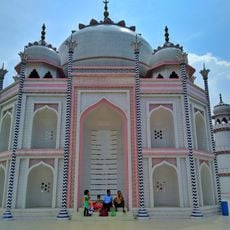
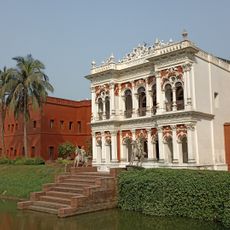
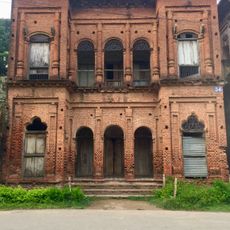
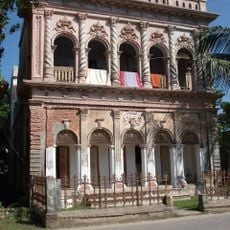
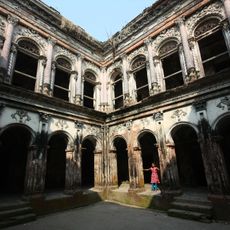
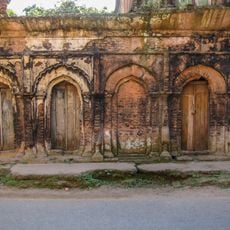
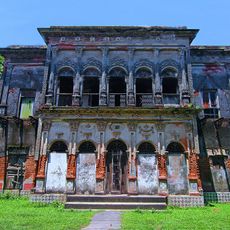
Panam City is an ancient settlement in Bangladesh characterized by rows of two-story brick buildings arranged along a main street. The structures blend colonial and local architectural styles, with each building featuring a similar design that reflects a planned layout from the past.
Panam Nagar traces its origins to the 13th century, when the area belonged to the capital of Sonargaon under Hindu rule. In the 15th century Isa Khan made Panam his capital and administered Sonargaon from there. After the Mughal capital moved to Dhaka in the 17th century the town declined, until wealthy Hindu merchants rebuilt it in the 19th century as a cotton and muslin trading centre. It was abandoned after the 1964 riots and declared a protected archaeological site in 2003.
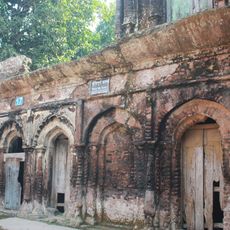
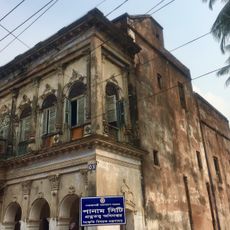
The name Panam is thought to derive from a Persian word meaning "shelter". Wealthy Hindu taluqdars settled here in the 19th century and rebuilt the abandoned structures in colonial style; elders recall evenings filled with the sound of brass utensils and the glow of oil lamps. A white sign with dark text is fixed on one brick pier of the street's right-hand row.
The site is best reached by taking a bus from Dhaka to Mograpara, followed by a short taxi ride to the entrance. Arriving early in the day gives you better light for viewing the buildings and time to walk through the streets at a comfortable pace.
In 1965 the abandoned properties were declared 'Enemy Property', which theoretically transferred ownership to the government, yet local residents gradually moved back in. Building 26 is a central-hall type with a double-height main room, while number 840 has an internal courtyard.
The community of curious travelers
AroundUs brings together thousands of curated places, local tips, and hidden gems, enriched daily by 93,374 contributors worldwide.