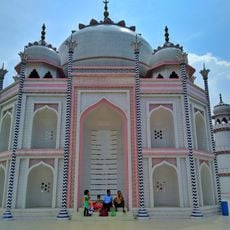
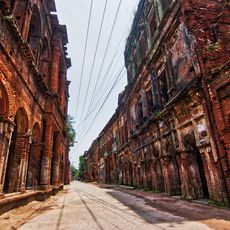
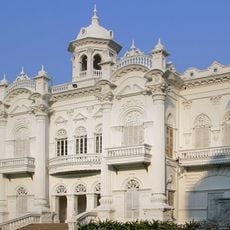
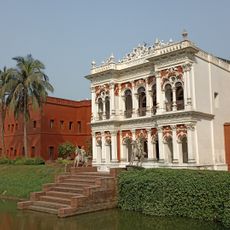
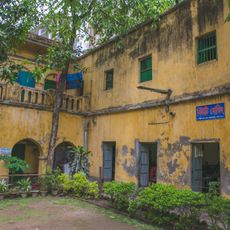
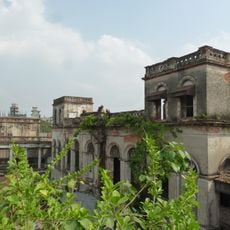
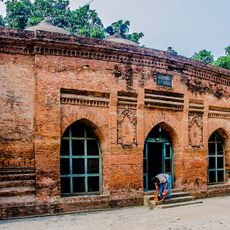
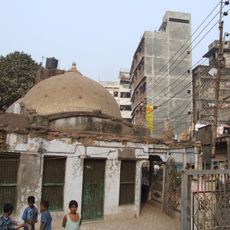
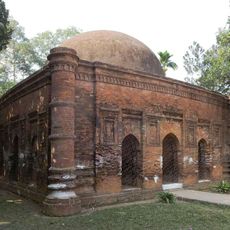
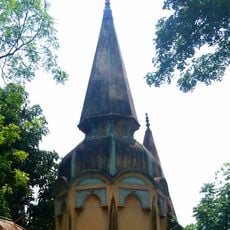
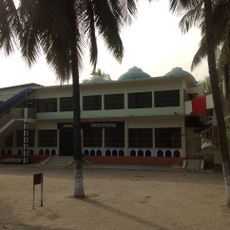
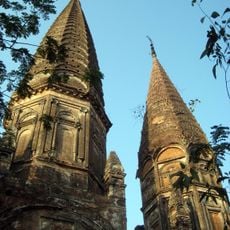
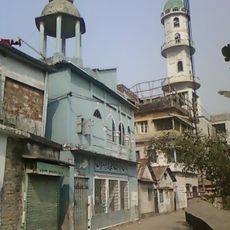
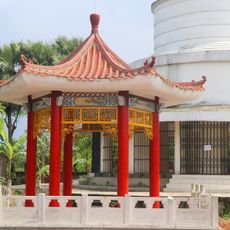
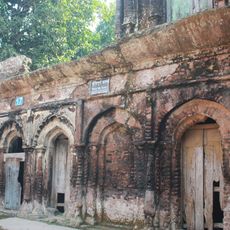
Bikrampur, Historic pargana in Munshiganj District, Bangladesh
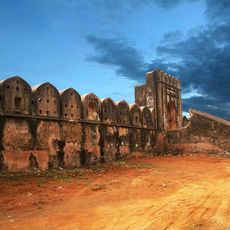
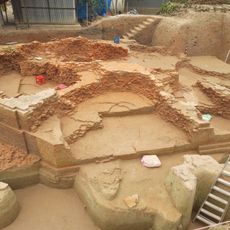
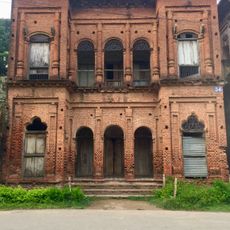
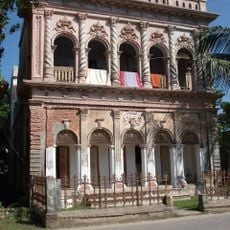
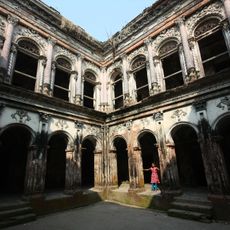
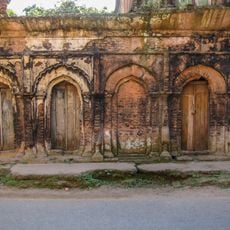
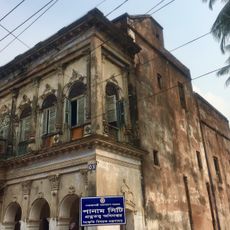
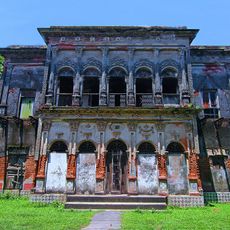
Bikrampur is a historic region in Munshiganj District, Bangladesh, about 12 miles south of Dhaka. It was bounded by the Padma River to the west, the Dhaleshwari to the north and east, and the confluence of the Arial Khan and Meghna to the south. A 1781 map shows the Kaliganga River dividing it into North and South Bikrampur, with an extent of roughly 30–40 miles east–west and 8–10 miles north–south. The ancient city is identified with the Rampal area near present-day Munshiganj town, where remains include a 200-foot-wide moat and the ruined Ballal Bari palace.
The region served as an administrative center under several dynasties between the 8th and 12th centuries, including the Pala Empire, Chandra Kingdom, and Varman Dynasty. This changing rule shaped the political and cultural development of the area for hundreds of years.
The name Bikrampur means "City of Courage", from the Sanskrit vikram (valour) and pura (city); it is linked to the legendary king Vikramaditya, though several rulers such as Chandragupta II and Dharmapala took that title, so the namesake is uncertain. Bengali scholar Atiśa (c. 982–1054 CE) was born in the region, and the poet Sarojini Naidu in 1879.
You can reach the region by regular bus services from Dhaka, with the journey taking about two hours depending on traffic. It is best to wear comfortable shoes since many archaeological sites require walking to explore.
During Mughal times, the region was divided into eight separate administrative units managed by different zamindars. This decentralized structure allowed local leaders to play a major role in governing their communities.
The community of curious travelers
AroundUs brings together thousands of curated places, local tips, and hidden gems, enriched daily by 93,375 contributors worldwide.