Amanã Sustainable Development Reserve, Sustainable development reserve in Amazonas, Brazil.
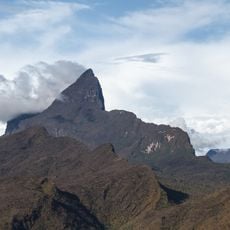
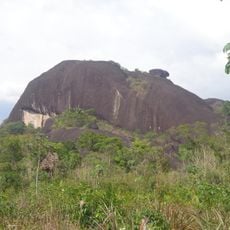
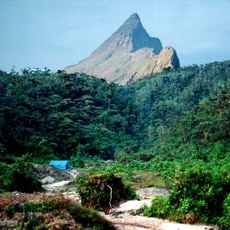
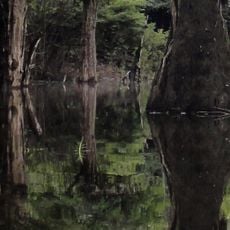
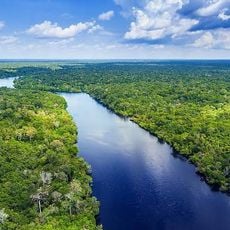
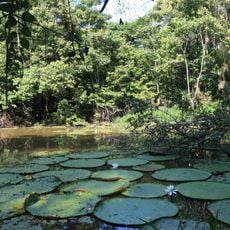
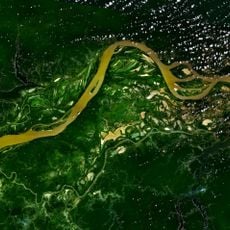
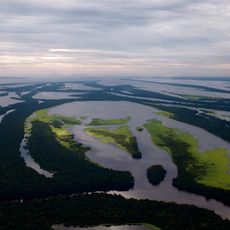
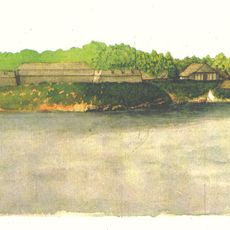
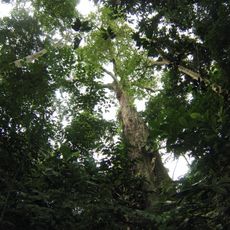
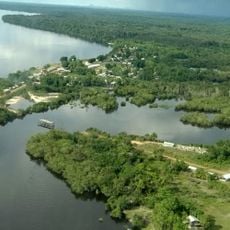
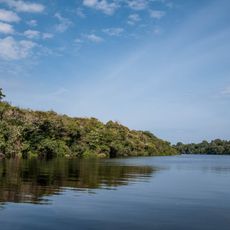
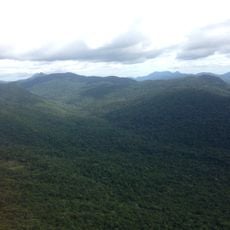
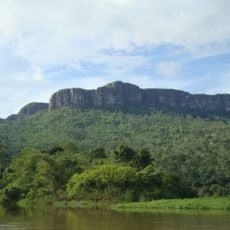
Amanã Sustainable Development Reserve covers 2,350,000 hectares in north-central Amazonas, spanning parts of Maraã, Codajás, Barcelos and Coari. It is mostly tall terra firma forest, with smaller areas of white-water várzea and black-water igapó flooded forest and patches of campinarana. Amanã Lake, 45 by 3 kilometres, lies within the reserve, where seasonal flooding raises water levels by 9 to 10 metres.
The reserve was created by decree 19.021 of 4 August 1998 and is run by the Mamirauá Institute of Sustainable Development. In 2000 Jaú National Park, which it adjoins, was inscribed as a UNESCO World Heritage Site. In 2003 Amanã and the Mamirauá reserve were added to form the Central Amazon Conservation Complex, and in 2010 the area joined the Lower Rio Negro Mosaic.
The name Amanã means "path of the rain" in the local language. About 3,860 people in 648 households live in 80 locations inside the reserve and six around it, managing it themselves. They farm, hunt, fish and gather vines, copaíba and andiroba oils and wild fruits.
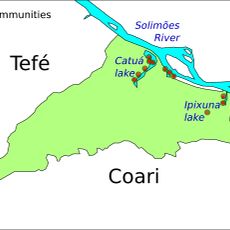
Access is through the city of Tefé, which serves as the main entry point and is located to the west. A visit requires planning and local guidance to navigate the water systems and forest conditions safely.
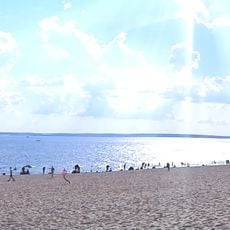
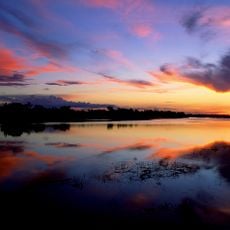
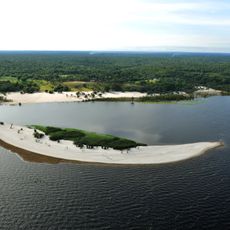
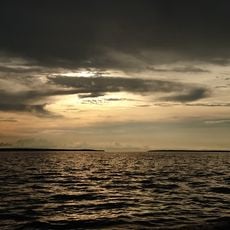
Amanã Lake, 45 km long and 3 km wide, is described in the sources as the largest lake in the Amazon region. Its water level rises and falls by 9 to 10 metres between seasons, and in the dry season it holds relatively large numbers of Amazonian manatee, which move to the várzea of Mamirauá in the wet season.
The community of curious travelers
AroundUs brings together thousands of curated places, local tips, and hidden gems, enriched daily by 94,465 contributors worldwide.