Nunavut, Federal territory in northern Canada
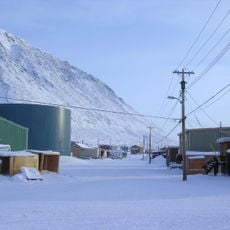
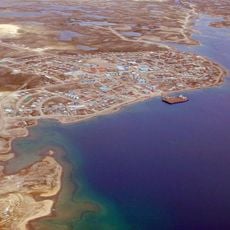
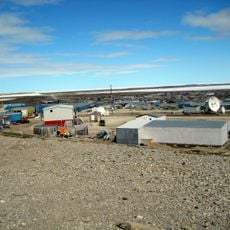
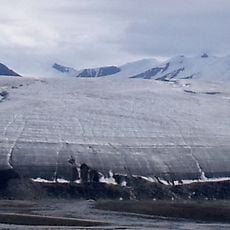
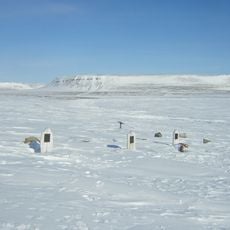
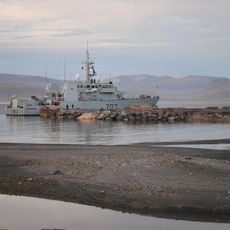
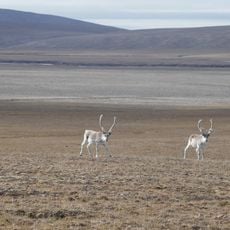
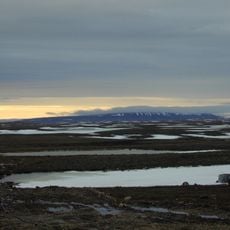
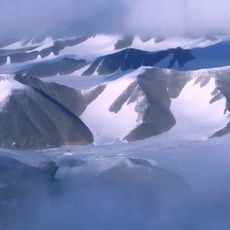
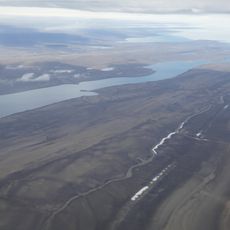
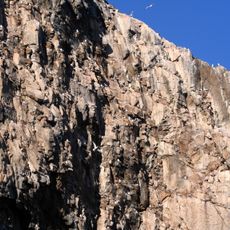
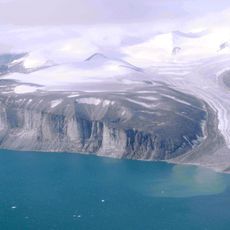
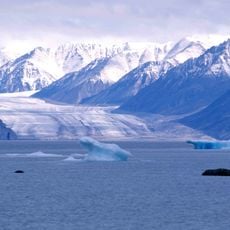
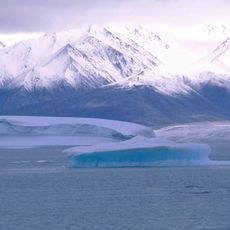
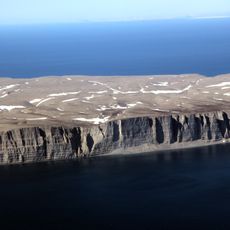
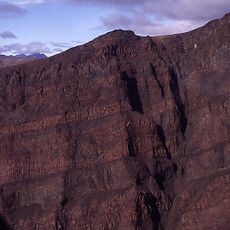
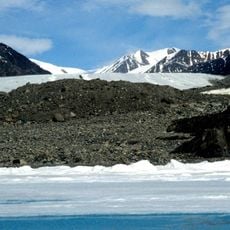
Nunavut is a vast territory in the Arctic with numerous islands and mainland regions spanning across far northern Canada. It covers an enormous expanse shaped by extreme weather conditions that define life in this remote area.
The territory gained official status in 1999 following lengthy negotiations between the Canadian government and Inuit leaders over land rights. This agreement marked a turning point in recognizing Inuit self-governance in the north.
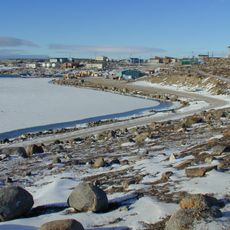
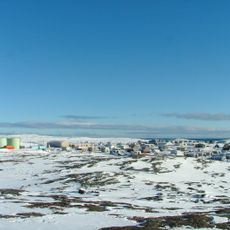
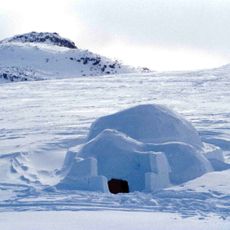
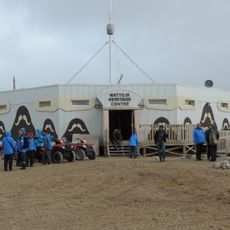
The Inuit people form the majority of the population and shape daily life through their connection to the land and sea. Their influence is visible in how communities are organized and how residents navigate life in this extreme environment.
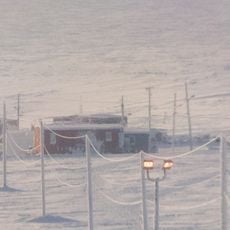
Conditions here are extreme: long dark winters alternate with summers when the sun barely sets. Visitors should prepare for lengthy travel times and choose their season carefully based on what they want to do.
The capital city Iqaluit experiences 24 hours of daylight in summer months, while winter brings months of continuous darkness. These dramatic shifts in daylight hours profoundly shape how people live and manage their daily routines.
The community of curious travelers
AroundUs brings together thousands of curated places, local tips, and hidden gems, enriched daily by 92,652 contributors worldwide.