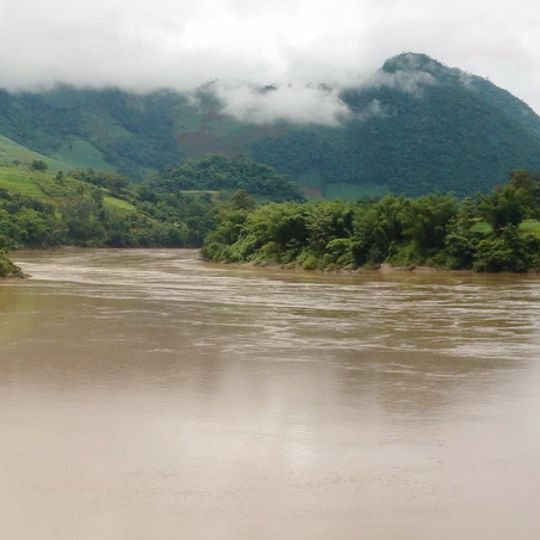
Salween River, Transboundary river in Tibet, China.
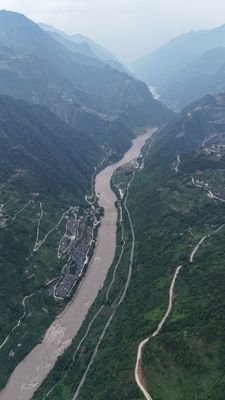
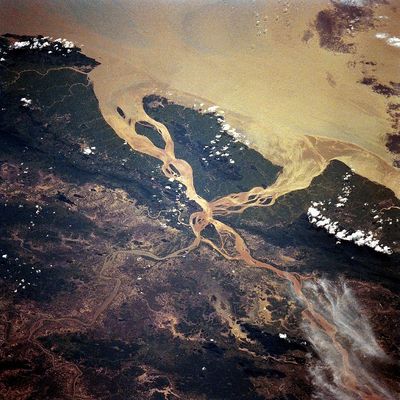
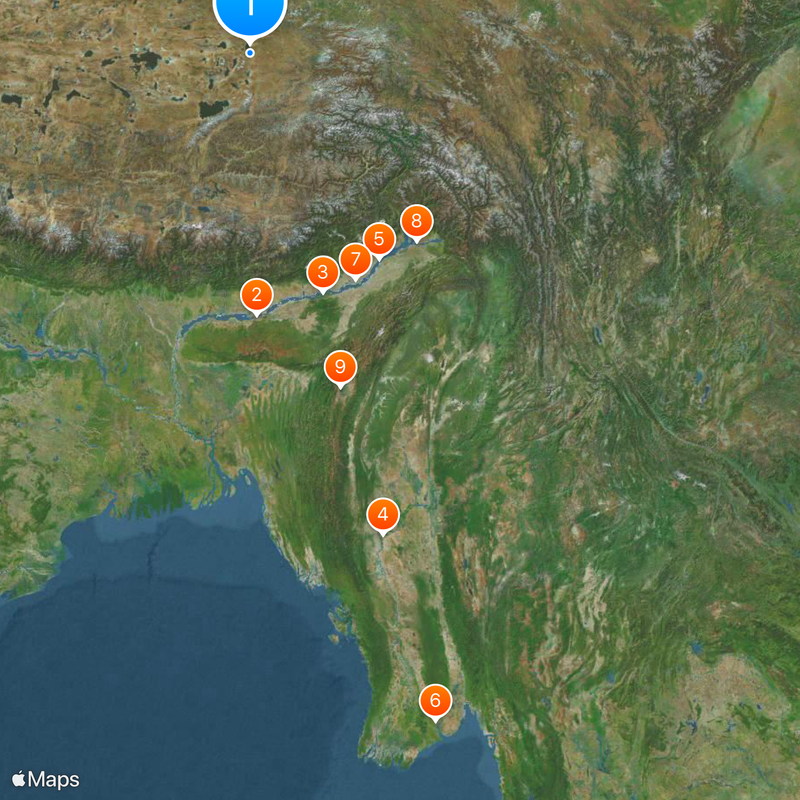
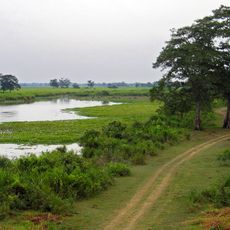
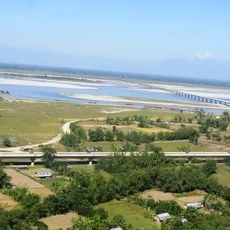
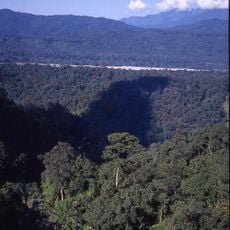
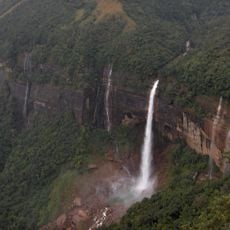
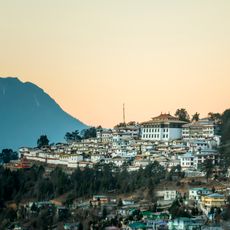
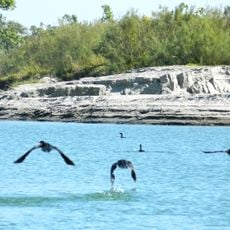
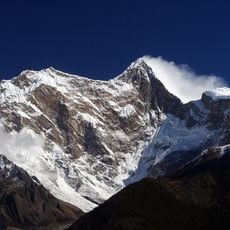
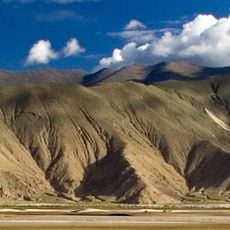
The Salween River originates in the Tanggula Mountains and flows roughly 2,815 kilometers through narrow gorges and steep valleys of the Tibetan Plateau toward Southeast Asia. The river cuts through wild waterfalls, rocky banks, and forested sections in its lower reaches, creating a dramatic landscape throughout its course.
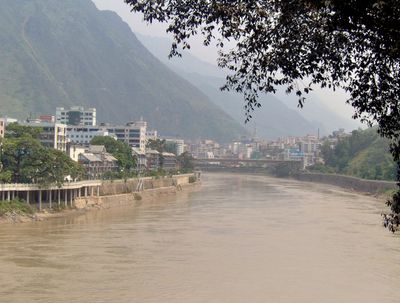
The river served as a vital connection for settlements and trade across the region for thousands of years. People built communities along its banks and used its valleys to establish trade networks that linked different areas.
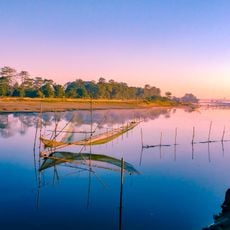
The river holds deep meaning for the many ethnic communities living along its course, who practice traditional fishing and irrigation methods that shape daily life. These ways of using the water have been passed down through generations and remain central to how people live here.
The river contains numerous rapids and steep sections that make navigation challenging in most areas. Visitors should be aware that access to certain sections is limited and water conditions can be hazardous.
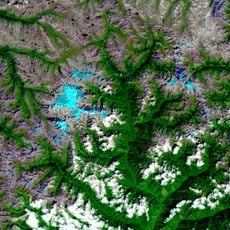
The river flows parallel to two other major waterways through a protected area, with all three running side by side in separate valleys. This unusual arrangement of three large river systems is one of the most notable geographic features of the region.
The community of curious travelers
AroundUs brings together thousands of curated places, local tips, and hidden gems, enriched daily by 91,996 contributors worldwide.