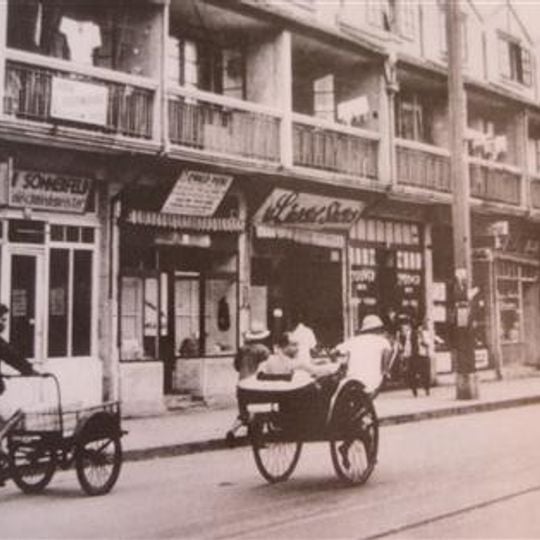
Shanghai Ghetto, Jewish refugee area in Hongkou District, Shanghai, China
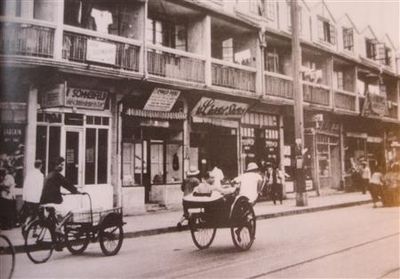
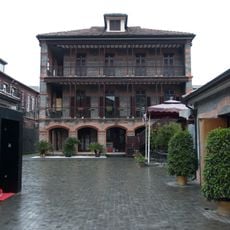
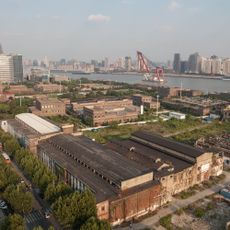
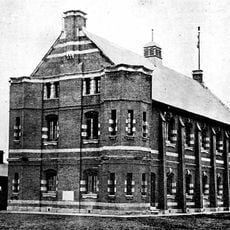
The Shanghai Ghetto was a Jewish refugee district in Hongkou containing tightly packed apartments, shared facilities, and the Ohel Moshe Synagogue. The area covered about one square mile and housed roughly 23,000 people who had fled Nazi persecution in Europe.
The ghetto was established in 1941 when Japanese occupation forces designated a zone for European Jewish refugees seeking shelter during World War II. The occupation ended in 1945, bringing this refuge and the community's time together to a close.
Jewish residents created their own schools, newspapers, and theaters within the crowded district, maintaining religious traditions and cultural life despite limited space and resources. These institutions helped the community preserve its identity and share memories of home.
Visitors should know that the area was strictly controlled during the war, requiring residents to obtain passes from Japanese authorities to enter or leave the zone. Today, interested visitors can tour the Ohel Moshe Synagogue and the Ghetto Museum to learn more about this history.
This was the only place on Earth during World War II where European Jews could enter without visas or immigration papers, making it a singular refuge. This openness existed because Shanghai was under Japanese occupation, which initially did not enforce such restrictions.
The community of curious travelers
AroundUs brings together thousands of curated places, local tips, and hidden gems, enriched daily by 92,370 contributors worldwide.