Nanchang, Regional capital in Jiangxi, China
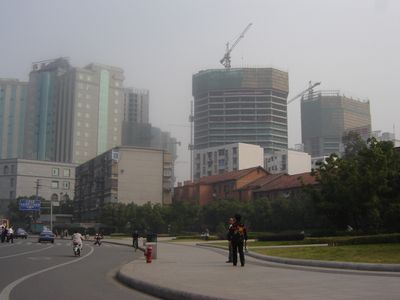
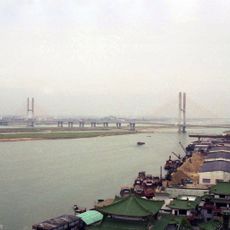
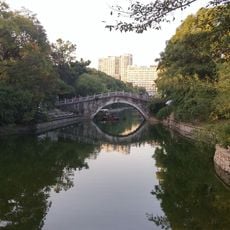
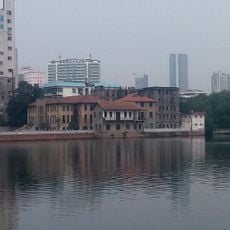
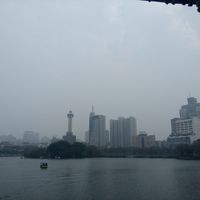
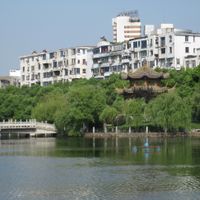
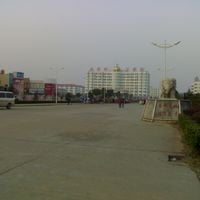
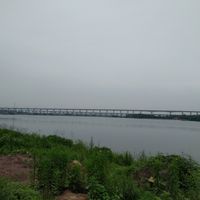
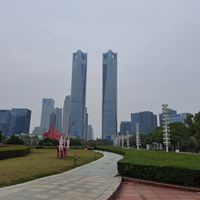
Nanchang is a regional capital in Jiangxi, China, stretching along the Gan River between the Jiuling Mountains to the west and Poyang Lake to the east. Wide boulevards cross several districts that range from the old low-rise core to modern high-rise zones along the eastern bank.
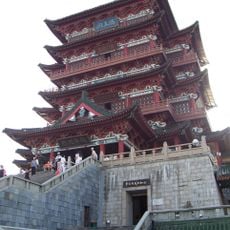
The city received its name in 201 BCE during the Han dynasty, when it became the administrative center of Yuzhang Commandery. During the 7th century, the Tengwang Pavilion was built and later celebrated in a classical poem by Wang Bo, establishing the city's position in Chinese literature.
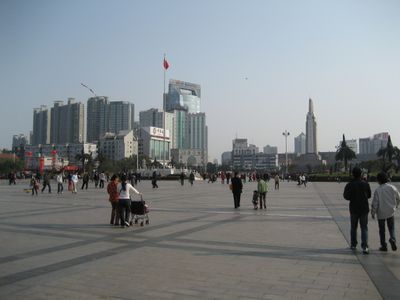
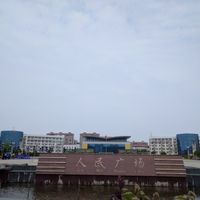
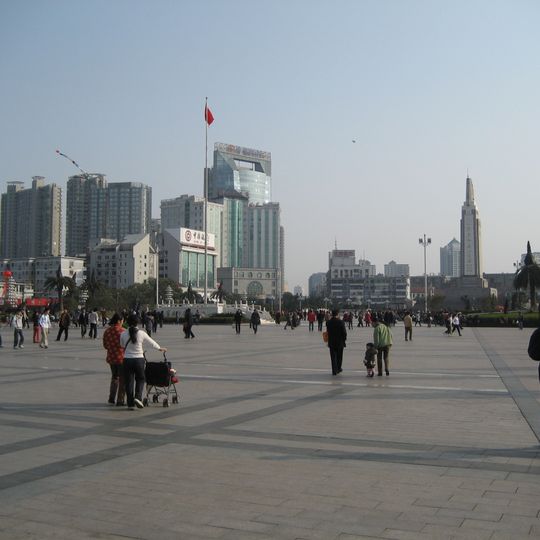
The August 1st Square forms the center of everyday life, surrounded by shops and street vendors selling local snacks such as rice cake soup and sticky rice cakes. In the evenings, locals gather along the riverfront at Qiushui Square fountain, where they dance, exercise, or simply watch the water displays.
The central railway station connects several rail lines and serves as a transport hub between eastern and southern China, making arrival from different directions straightforward. The city is best explored on foot or by metro, as main roads often see heavy traffic and riverside walkways offer direct access to parks and public squares.
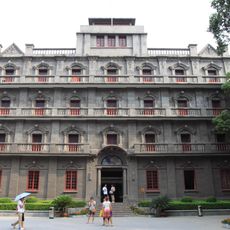
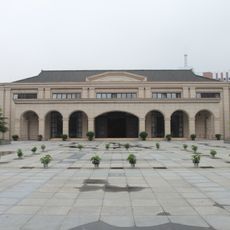
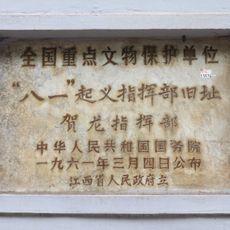
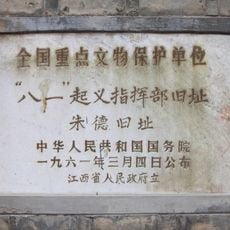
The Nanchang Uprising on August 1, 1927, marked the founding moment of what later became the People's Liberation Army, and this date is still celebrated today as the army's founding day. In the streets around the memorial site, military symbols and references recall this event.
The community of curious travelers
AroundUs brings together thousands of curated places, local tips, and hidden gems, enriched daily by 90,804 contributors worldwide.