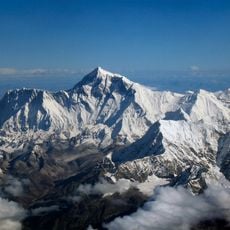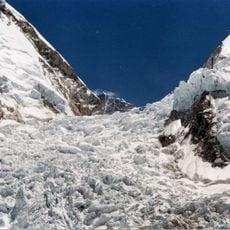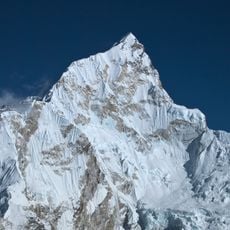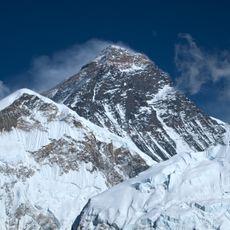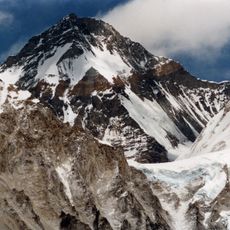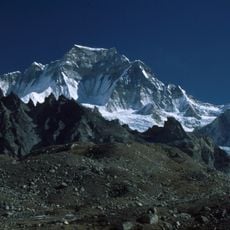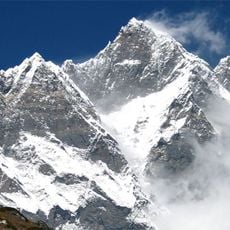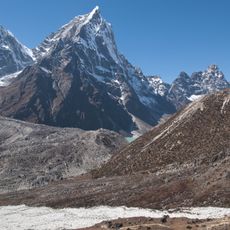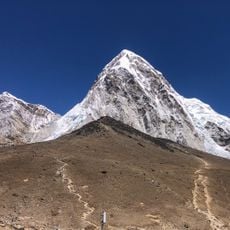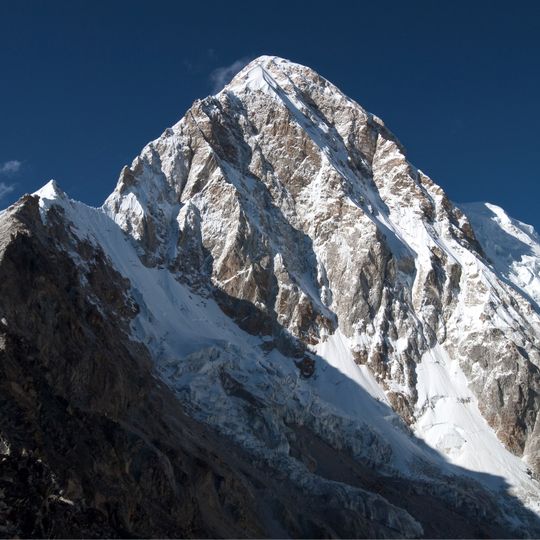
Pumori, Mountain peak in Sagarmatha Zone, Nepal.
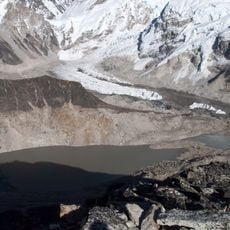
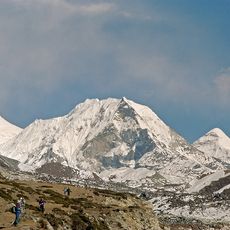
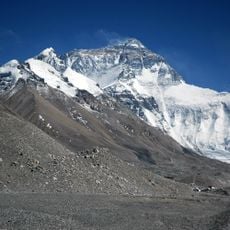
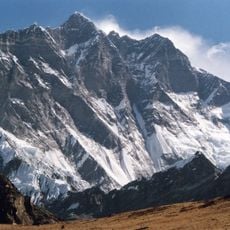
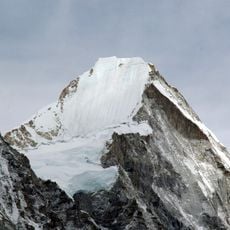
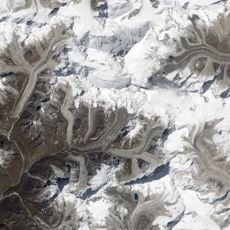
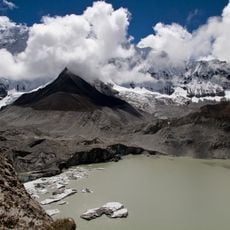
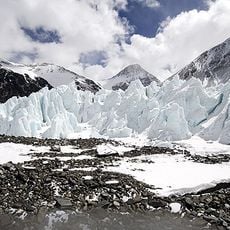
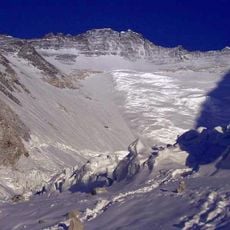
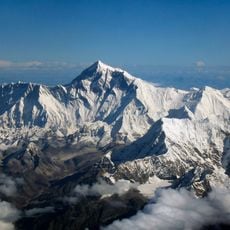
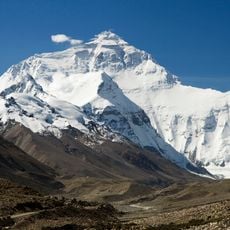
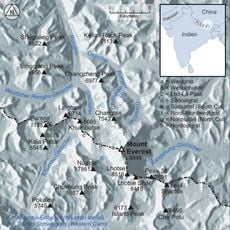
Pumori is a mountain in the Mahalangur section of the Himalayas, standing roughly eight kilometers west of Mount Everest. The peak features snow and ice formations shaped by glaciers that flow down from its summit slopes.
Pumori was first climbed on 17 May 1962 by Gerhard Lenser of a German-Swiss expedition; the German Wikipedia also names Ernst Forrer and Ueli Hürlemann among the summiteers. A new route on the south face was opened by Czech climbers Leopold Sulovský and Zdeněk Michalec in spring 1996. In 2001 Ueli Steck and Ueli Bühler made the first ascent of the west route, a 1,400-metre line of M4 and 80-degree ice, after being caught by an avalanche on the way up.
The name Pumori comes from the Sherpa language, where 'pumo' means girl or daughter and 'ri' means mountain. This naming reflects how local communities describe their surroundings in everyday speech.
Climbers typically visit this peak between September and November when weather provides better conditions for technical climbing routes. Visitors should prepare for demanding terrain and altitude challenges.
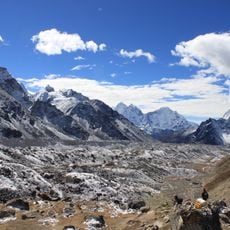
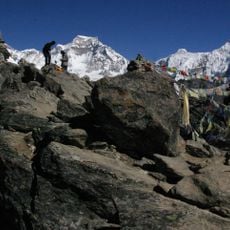
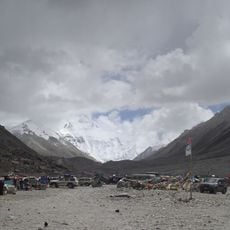
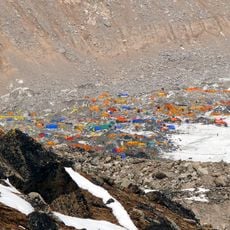
Kala Patthar, a brown bump below Pumori's south face, is an outlier of the mountain and reaches 5,643 metres. Many trekkers heading to see Everest climb it, since the Everest base camp itself sits in the Khumbu Glacier's curve and gives no view of the summit.
The community of curious travelers
AroundUs brings together thousands of curated places, local tips, and hidden gems, enriched daily by 92,766 contributors worldwide.