Cheng'en Temple, Buddhist temple in Shijingshan District, Beijing, China
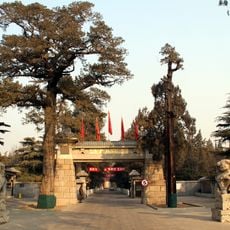
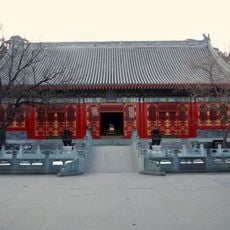
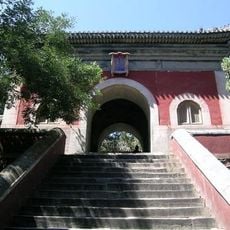
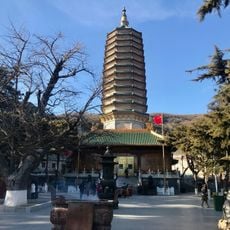
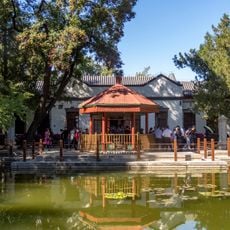
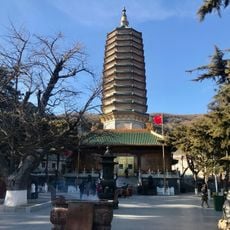
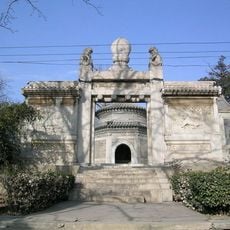
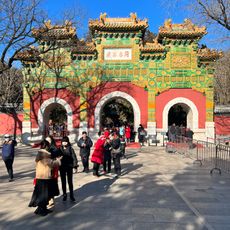
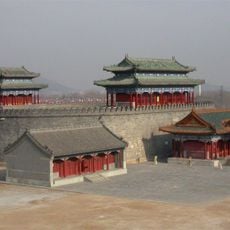
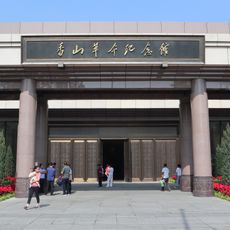
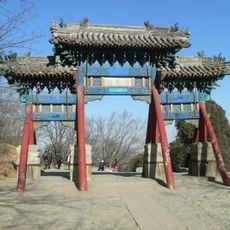
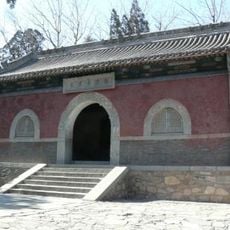
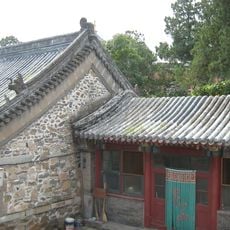
Cheng'en Temple is a Buddhist sanctuary in western Beijing with multiple halls arranged following traditional Chinese principles. The main buildings display typical Ming architecture with curved roofs and contain statues and religious artworks from that historical period.
Cheng'en Temple was built between 1510 and 1513 under the Ming Zhengde Emperor by the eunuch Wen Xiang, who received an imperial plaque and tax exemptions for the site. Repairs followed in 1757 and 1843, and the Qing Prince Li used it as a family temple. Since its founding it has held no incense offerings and no rites, and it remains closed to the public.
The name Cheng'en means "receiving grace", bestowed by a Ming emperor who granted the temple his inscribed plaque and exempted it from corvée labour. Since its founding the temple has held no incense offerings, performed no rites and never opened its doors. Six murals survive, including a four-dragon painting on the east wall of the Hall of Heavenly Kings and a scene of an emperor releasing living creatures.
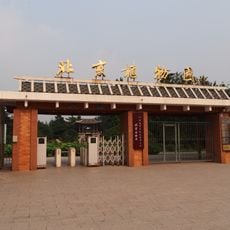
The temple is not open to visitors: since 2001 it has been under restoration and now houses the Shijingshan district offices for intangible cultural heritage protection. It stands at No. 20 Moshikou Street in Shijingshan District, opposite the gate of Beijing No. 9 Middle School, with the Dragon King Temple to its west and the Guandi Temple to its east. The grounds can be viewed from the street, but entry is not possible.
The site maintains limited access throughout the year, making it less crowded than many other temples in the city. However, in November the treetops on the grounds turn brilliant gold, giving the ancient complex a seasonal appearance.
The community of curious travelers
AroundUs brings together thousands of curated places, local tips, and hidden gems, enriched daily by 94,368 contributors worldwide.