Fragrant Hills, Nature reserve and imperial garden in Xiangshan Subdistrict, China
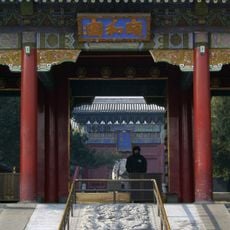
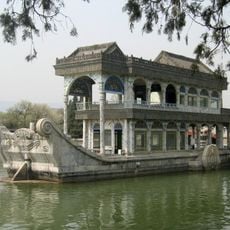
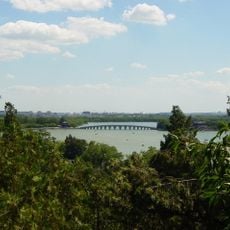
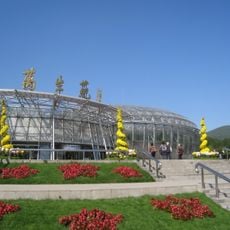
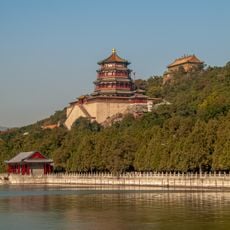
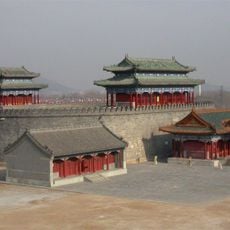
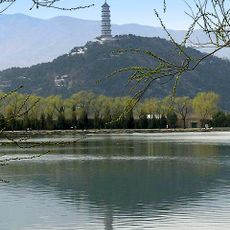
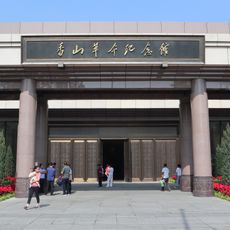
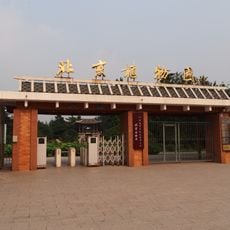
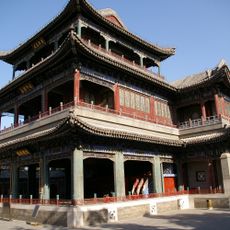
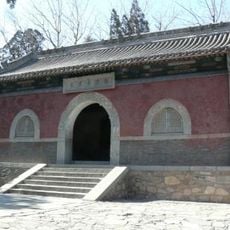
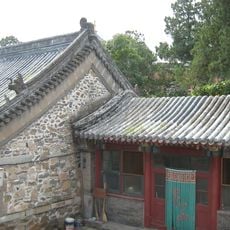
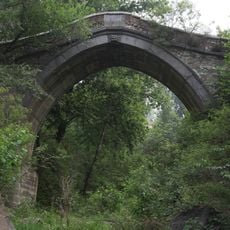
Fragrant Hills is a mountain park with forested slopes, winding paths, and a mix of traditional and contemporary buildings scattered across the grounds. The terrain rises gradually, offering vantage points where visitors can see toward the city in the distance.
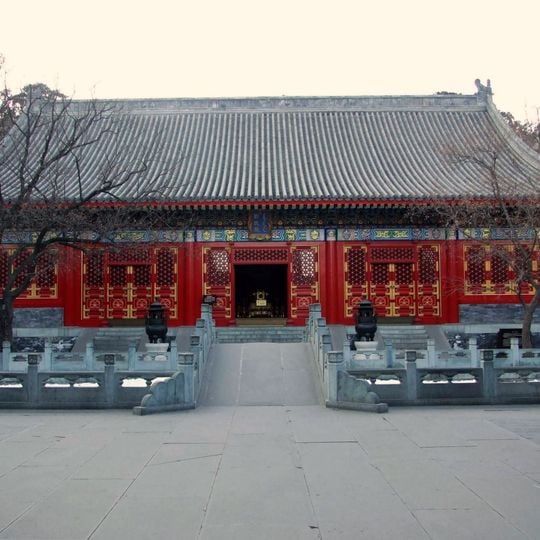
The site began in 1186 when Jin emperor Shizong rebuilt the Yong'an Temple and added a palace beside it. Yuan and Ming rulers kept hunting lodges here. In 1745 the Qianlong Emperor built a large imperial garden with 28 named scenes, and in 1747 he renamed it Jingyi Garden. British and French troops damaged it in 1860, and Eight-Nation Alliance troops looted it again in 1900.
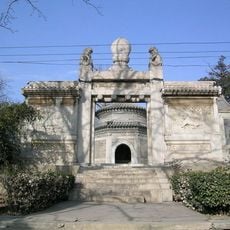
The name Xiangshan refers to incense, not fragrance, likely from Incense Burner Peak, whose two summit stones resemble censers. The park's Red Leaf Festival draws hundreds of thousands of visitors each autumn to see the smoke tree leaves turn red. The Temple of Azure Clouds, just outside the north gate, holds a memorial hall and a clothes tomb for Sun Yat-sen.
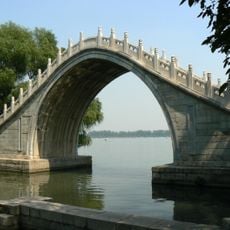
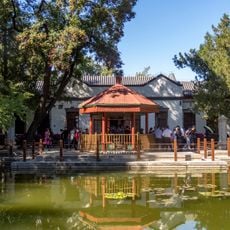
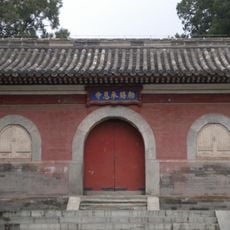
Two main routes cross the park: the northern one passes Spectacles Lake, the Study of Reading Heart and Bright Temple, while the southern one climbs over Incense Burner Peak at 575 m and is the harder walk. A cable car runs to the summit. Autumn draws hundreds of thousands of visitors for the red leaves, so go early on weekdays.
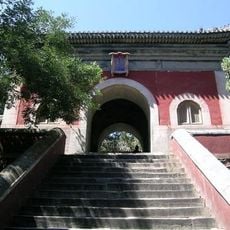
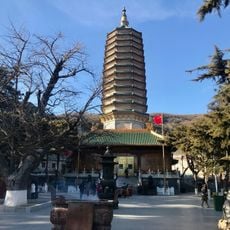
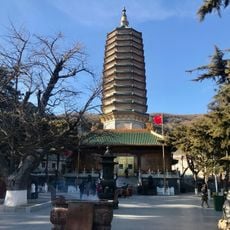
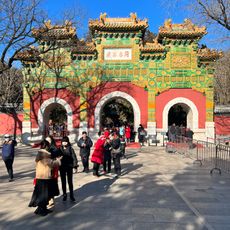
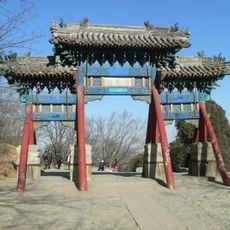
The glazed-tiled pagoda stands in the Bright Temple (Zhao Miao), a Tibetan-style lamasery complex built in 1780 for the sixth Panchen Lama's visit to the Qianlong Emperor. Bells hung on its eaves chime in the breeze. Much of the complex was burned, but the glazed archway, terrace and pagoda survive.
The community of curious travelers
AroundUs brings together thousands of curated places, local tips, and hidden gems, enriched daily by 92,966 contributors worldwide.