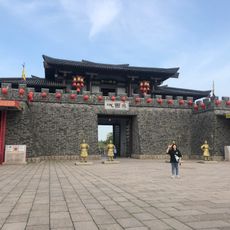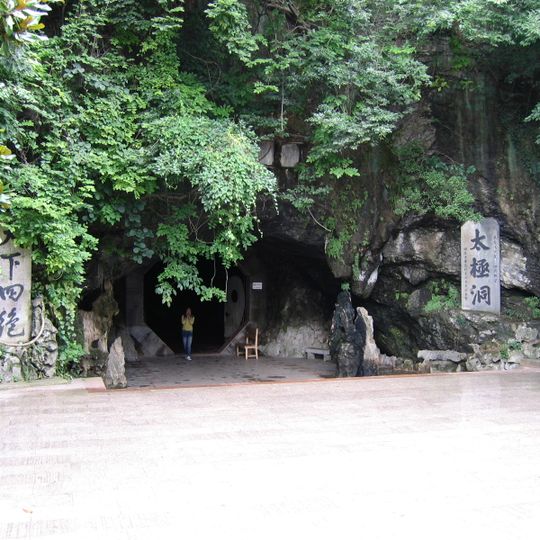
Taiji Cave, Natural limestone cave in Guangde, China
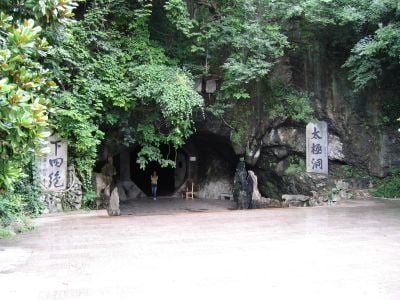
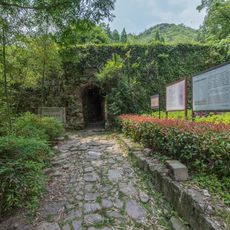
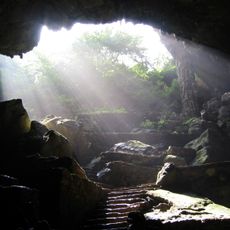
Taiji Cave is a natural limestone cave in Guangde with interior chambers extending several kilometers and containing numerous rock formations and geological features. The cave has nineteen accessible chambers for visitors, including areas for walking exploration and sections reached by boat through water-filled passages.
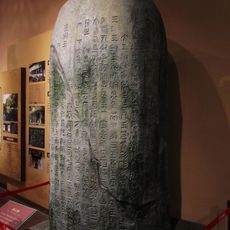
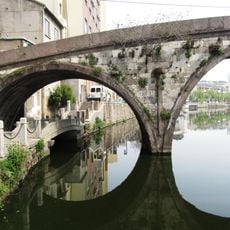
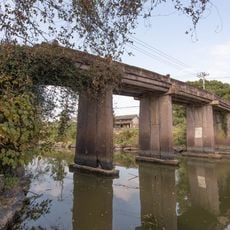
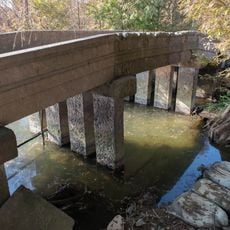
The cave was already a local landmark during the Han dynasty, when Emperor Guangwu (5 BCE–29 CE) is said to have taken refuge at the nearby Hidden Dragon Bridge. In 1040, the second year of his tenure in Guangde, Fan Zhongyan visited and left the three-character inscription 'Qiongran Yan'. The cave was opened to tourism on 1 July 1986 after a development project begun on 4 May 1985 cleared 5,400 metres of passages and restored 48 cliff inscriptions.
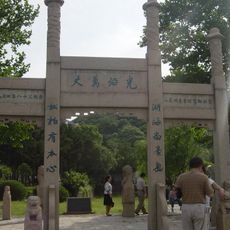
The name Taiji comes from the pattern on the cave face said to resemble the taiji symbol; it first appeared in the 1461 Ming Yitongzhi and became official in 1578 when prefect Wu Tongchun inscribed the three characters at the entrance. Taoists regard the cave as a daochang, a place of enlightenment. The dry and wet levels are likened to yin and yang.
Access to the cave is provided through a cable car system that brings visitors to the entrance. Wear appropriate footwear and be prepared for both walking passages and boat rides through the water sections.
The cave's name appears in the 1461 Ming-era gazetteer Da Ming Yitongzhi as a popular name; in 1578 Guangde prefect Wu Tongchun carved the three characters "Taiji Dong" at the entrance, making it official. The name may come from patterns on the rock face resembling a taiji diagram.
The community of curious travelers
AroundUs brings together thousands of curated places, local tips, and hidden gems, enriched daily by 94,270 contributors worldwide.