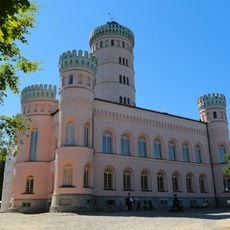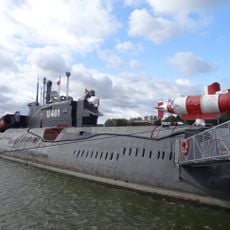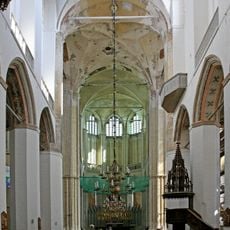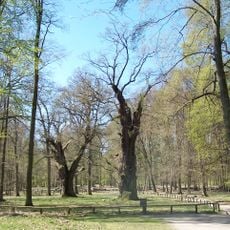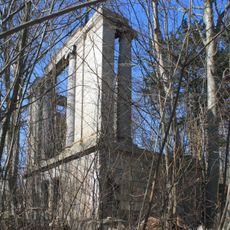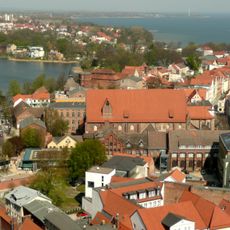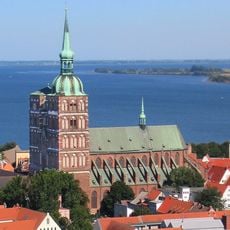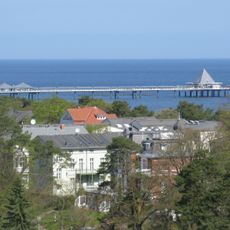
Western Pomerania, Historical region along Baltic Sea coast in northern Germany.
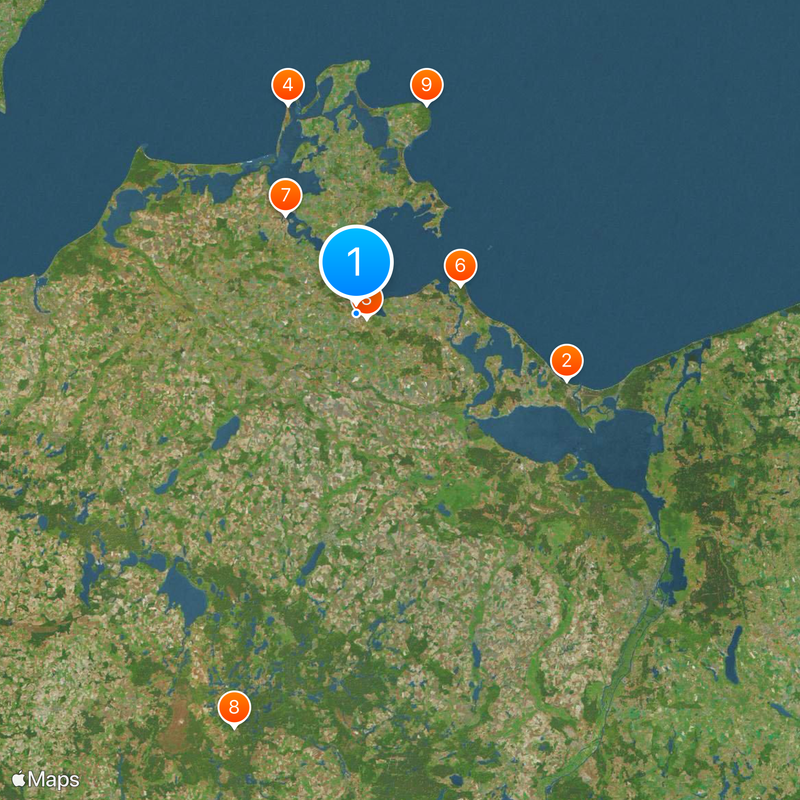
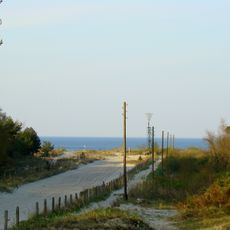
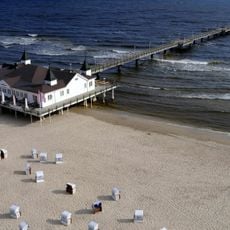
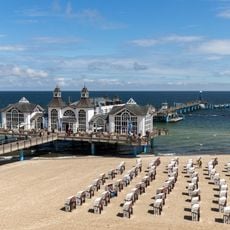
Western Pomerania is a historical region in northeastern Germany stretching along the Baltic Sea coast. The territory contains low-lying landscapes, major islands like Rügen and Usedom, and numerous bays and lagoons that shape the shoreline.
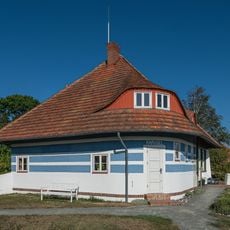
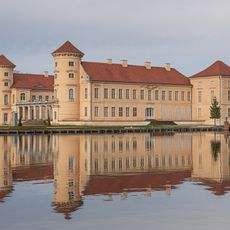
From the 17th century onward, Swedish forces held the region until territories gradually passed to Denmark and Prussia through successive agreements. These shifting powers left lasting marks on the region's architecture and cultural life.
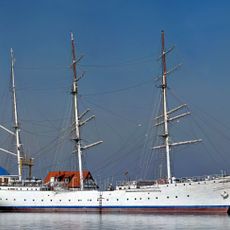
The name comes from Slavic languages meaning "land by the sea," reflecting how geography shaped the region's identity over centuries. Visitors can see this maritime heritage in the way towns are built, how people use the waterfront, and in local food traditions.
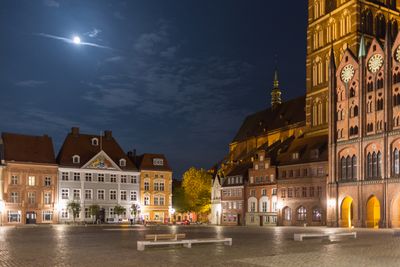
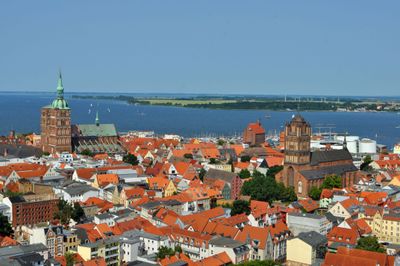
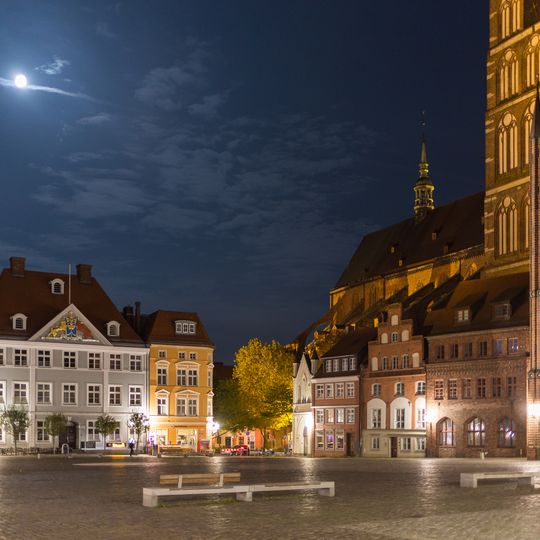
The region is best accessed through the larger cities of Stralsund and Greifswald, which serve as gateways to the smaller coastal towns and islands. Visitors should be prepared for changeable coastal weather when exploring lagoons, beaches, and island communities.
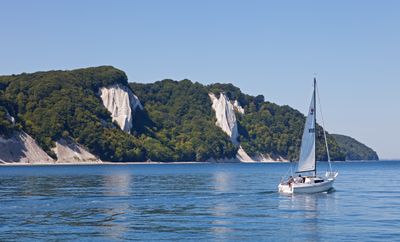
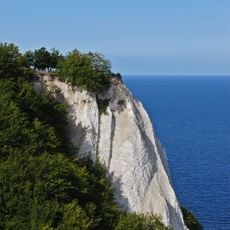
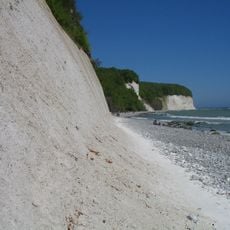
The region contains Jasmund National Park on Rügen Island, where white chalk cliffs rise sharply from the Baltic Sea. This geological formation is unusual along the Baltic coast and draws visitors who want to walk along paths with these dramatic vertical walls.
The community of curious travelers
AroundUs brings together thousands of curated places, local tips, and hidden gems, enriched daily by 91,880 contributors worldwide.