Königsstuhl, Chalk cliff formation in Jasmund National Park, Germany
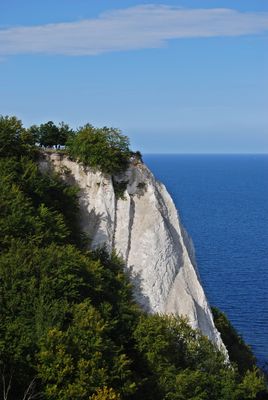
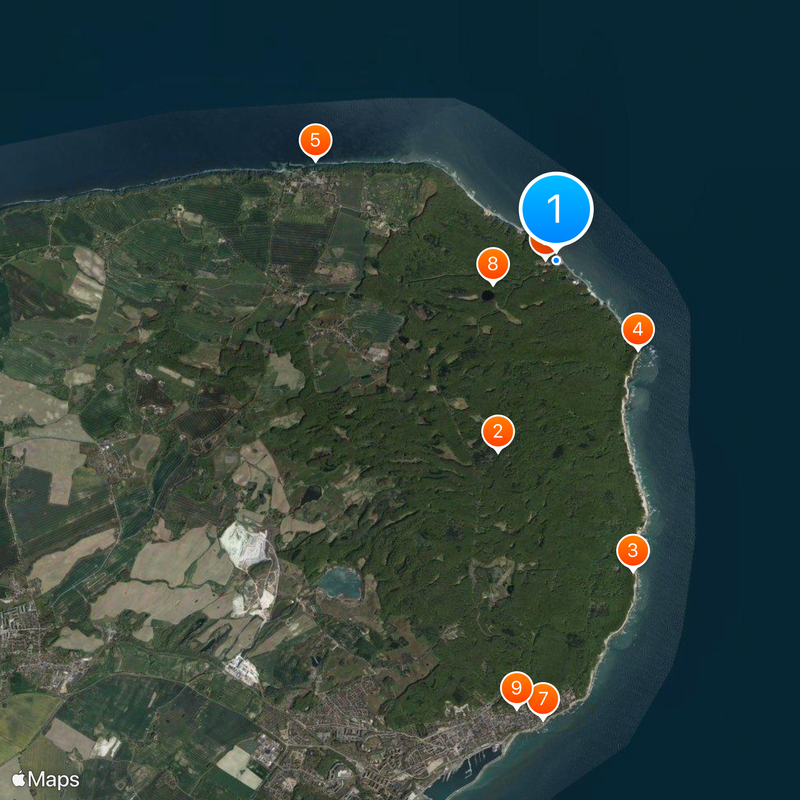
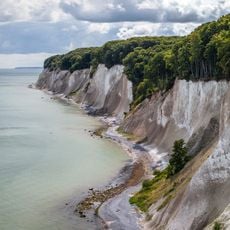
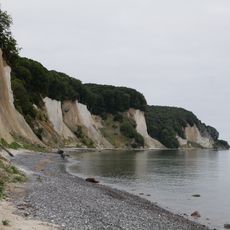
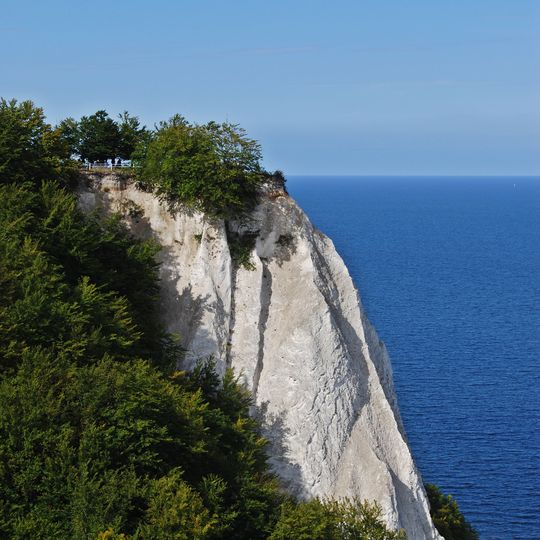
Königsstuhl is a chalk cliff formation that rises roughly 118 meters (387 feet) above the Baltic Sea and sits within Jasmund National Park. The white cliffs stretch for several kilometers along the coast, forming one of the most striking natural formations along the German shoreline.
The chalk layers formed during the Cretaceous period when this region lay beneath a vast sea teeming with marine life. Over millions of years, the skeletal remains of these organisms accumulated and hardened into the rock formations visible today.
The cliffs have drawn artists since the Romantic era, drawn to the dramatic play of white stone against water. Visitors today still find themselves following in the footsteps of those early painters, experiencing the same visual impact that made this site so compelling to creators.
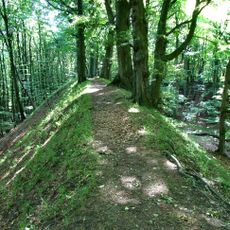
The site is open year-round with viewing platforms and an educational center at the main park entrance where parking is available. The paths to the overlooks can become slippery in wet weather, so sturdy footwear is advisable.
Millions of fossilized marine organisms are embedded within the chalk, creating dark horizontal bands running through the white rock. These black stripes form a natural record of the ancient sea floor, revealing where certain minerals concentrated during the rock's formation.
The community of curious travelers
AroundUs brings together thousands of curated places, local tips, and hidden gems, enriched daily by 60,000 contributors worldwide.