Ruwer, River tributary in Rhineland-Palatinate, Germany
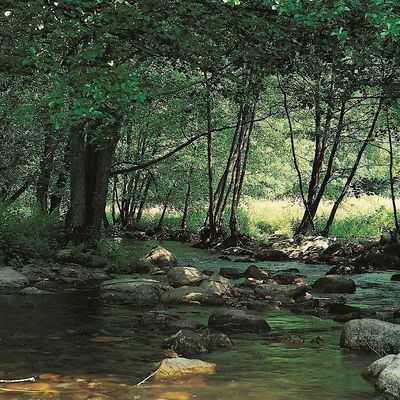
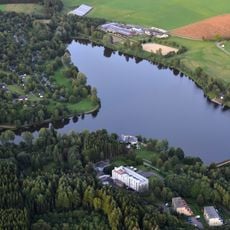
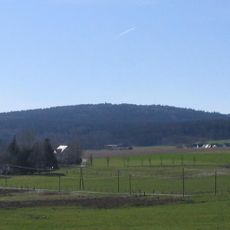
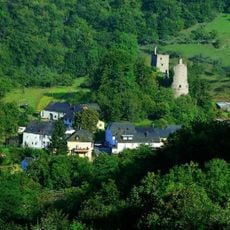
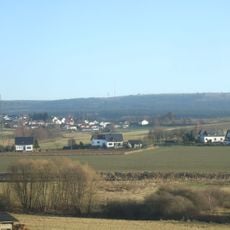
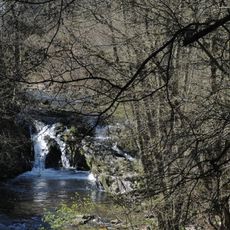
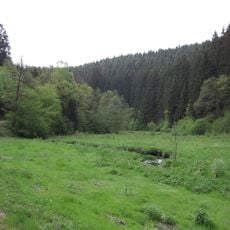
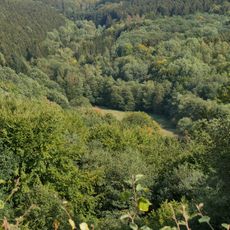
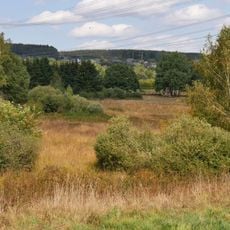
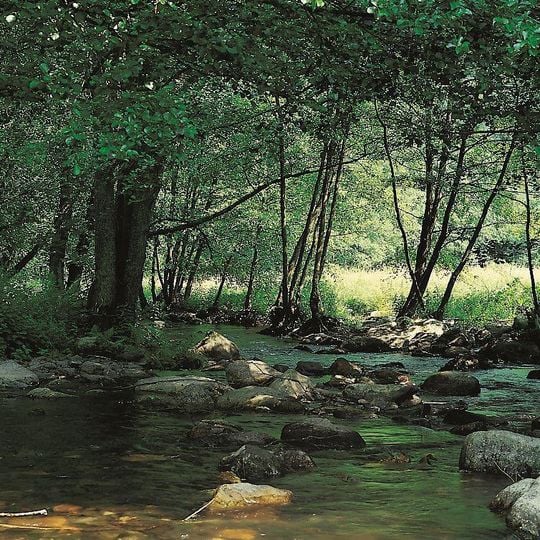
The Ruwer is a river in Rhineland-Palatinate that flows through the landscape before joining the Moselle River. The waterway runs through a valley dotted with villages and mills that have been built along its banks.
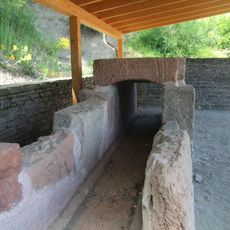
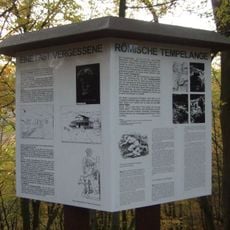
The Romans built an aqueduct connected to the river to supply water to the ancient city of Trier, making it crucial for the settlement's survival. This engineering feat showed how important the water source was to Roman civilization in the region.
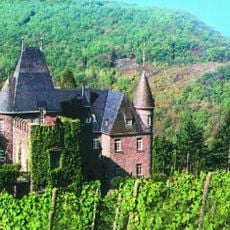
The river valley is home to wine-growing villages such as Waldrach, Kasel, and Mertesdorf, where Riesling grapes thrive in the surrounding slopes. The wine tradition shapes how locals live and how the villages are organized along the water.
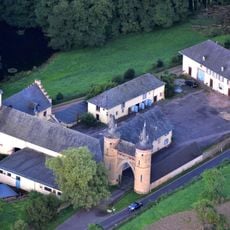
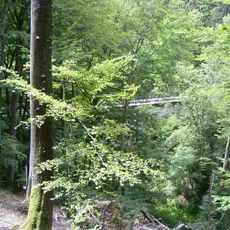
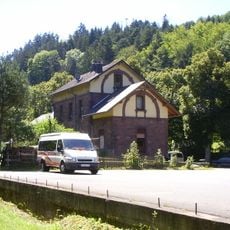
Several historic mills are scattered along the river and can be discovered during walks through the area, such as those near Kell am See and Burkelsbach. The surroundings are ideal for hiking along the banks and exploring the villages nestled in the valley.
The river is home to bullhead fish and kingfishers today, but salmon once swam in its waters until about the 1940s. The disappearance of this migratory fish reflects how the ecosystem has changed over the decades.
The community of curious travelers
AroundUs brings together thousands of curated places, local tips, and hidden gems, enriched daily by 60,000 contributors worldwide.