Feuersteinbergwerk von Abensberg-Arnhofen, Neolithic flint mine in Abensberg, Germany
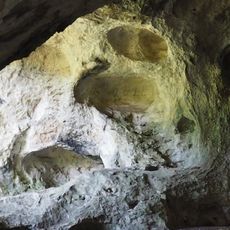
The Feuersteinbergwerk von Abensberg-Arnhofen is a prehistoric extraction site in Bavaria that spans about 40 hectares and is marked by over 120,000 shafts. These shafts reach about 8 meters (26 feet) deep into the ground and testify to the intensive raw material extraction by Stone Age miners.
The site developed between 5000 and 4000 BCE when Stone Age miners began to extract high-quality flint from the area. This was one of the earliest mining activities in Europe and shaped the raw material supply of the prehistoric continent for thousands of years.
The site owes its name to the flint stones that were extracted here thousands of years ago and were essential for tool making. The extraction was so intense that the landscape today is marked by countless shaft openings that still remind visitors of this prehistoric craft activity.
To see the extraction techniques firsthand, visitors can head to the Abensberg Museum, which displays a cross-section of a typical shaft. The museum is centrally located and offers direct access to the original mining methods without needing to walk across the vast excavation site.
Miners used a special technique called 'Duckelbau', where shafts were intentionally widened at the base to simplify extraction. This method reveals a sophisticated grasp of mechanics and efficiency that was surprisingly organized for people from over 6000 years ago.
The community of curious travelers
AroundUs brings together thousands of curated places, local tips, and hidden gems, enriched daily by 92,647 contributors worldwide.