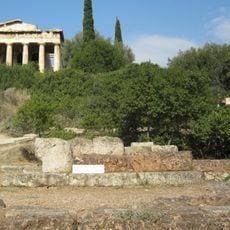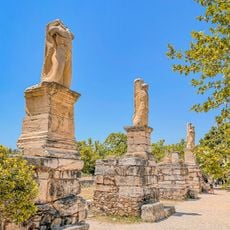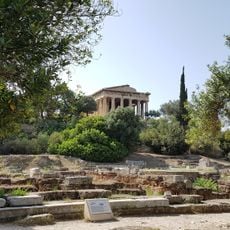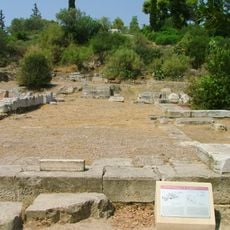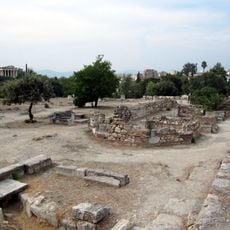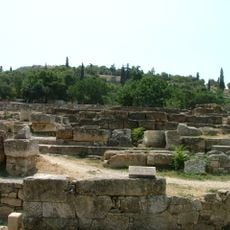
Altar of the Twelve Gods, Historic altar in Greece
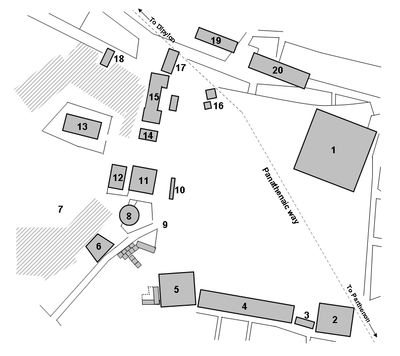
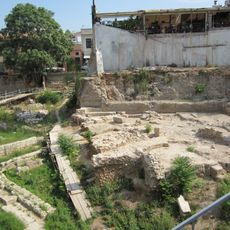
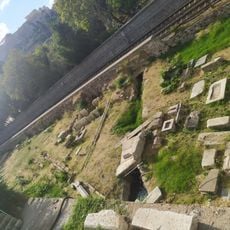
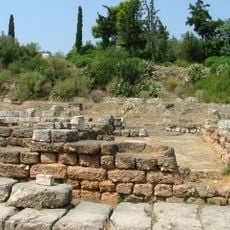
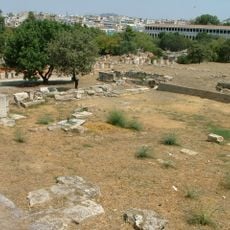
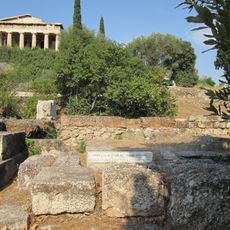
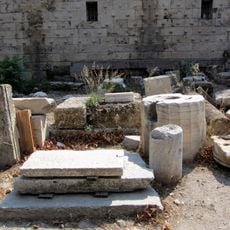
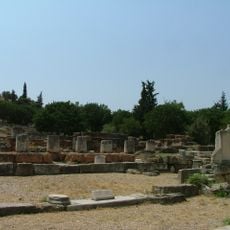
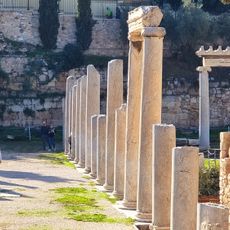
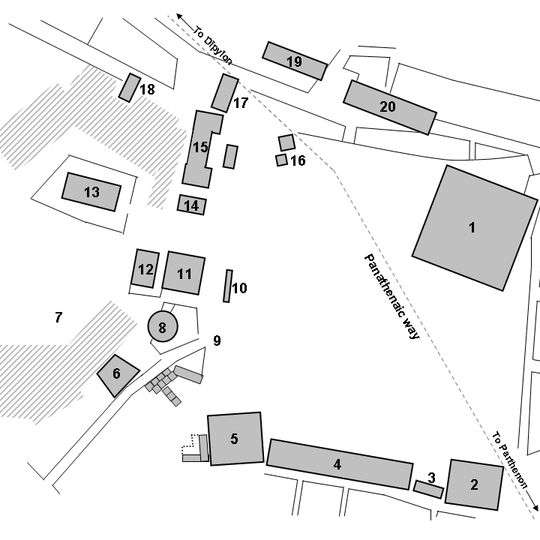
The Altar of the Twelve Gods was an ancient sanctuary at the northwest corner of the Athenian Agora that served as a refuge for the persecuted and oppressed. From this central point, distances throughout Athens were measured and calculated in antiquity.
The altar was built in 522 BCE by the tyrant Peisistratos and quickly gained renown as a place where the persecuted and enslaved could find protection. Its importance extended across many centuries before it eventually faded from memory and disappeared beneath the city.
The altar served as a focal point for public worship where Athenians made offerings and sought blessings from the gods. People from all walks of life gathered there seeking refuge and divine favor during difficult times.
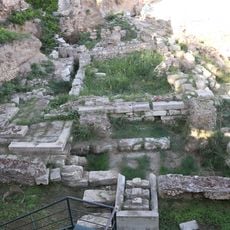
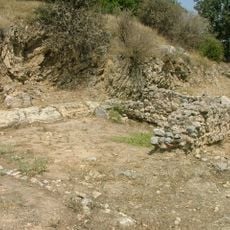
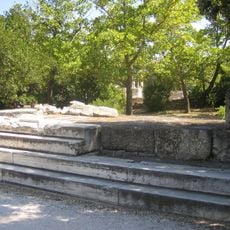
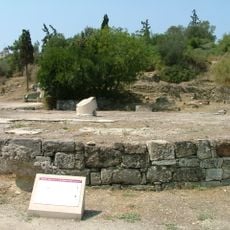
The site is located in the northwest corner of the Agora, so plan to explore this area early during a visit to the ancient site. The remains are modest and easy to miss without guidance, so it helps to consult a map or information board before arrival.
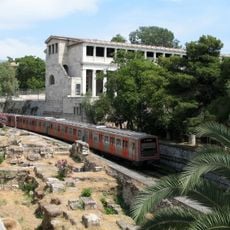
For centuries the exact location of the altar remained completely unknown until archaeologists stumbled upon it in 1891 during tramway construction work. This unexpected rediscovery helped solve one of the mysteries of the ancient Agora.
The community of curious travelers
AroundUs brings together thousands of curated places, local tips, and hidden gems, enriched daily by 91,392 contributors worldwide.