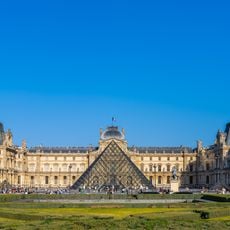
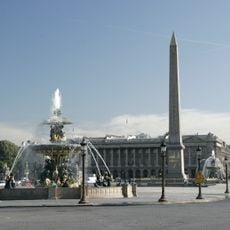
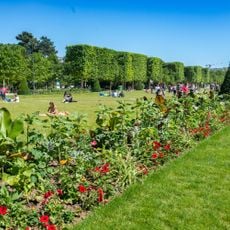
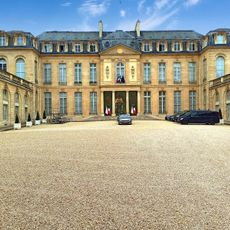
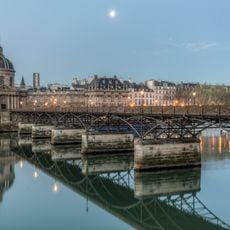
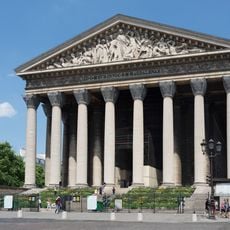
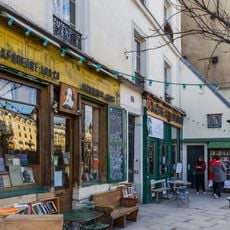
Banks of the Seine, UNESCO World Heritage Site along the river in Paris, France.
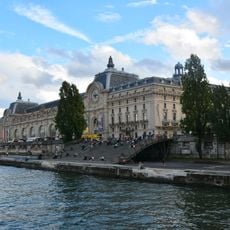
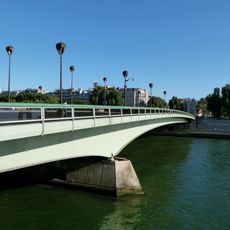
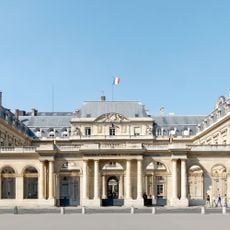
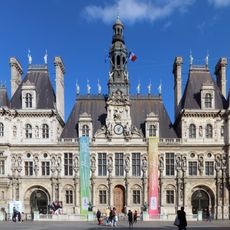
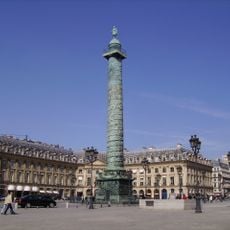
The banks of the Seine extend along the river through central Paris, lined with historic bridges, pedestrian pathways, and numerous architectural landmarks dating from medieval to modern times.
Since ancient times, the Seine's banks have served as vital trade and transportation routes, enabling the growth of Paris as a major European city through successive centuries of development.
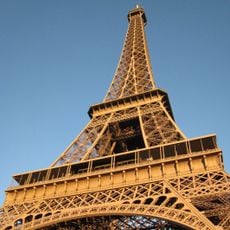
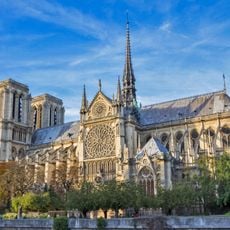
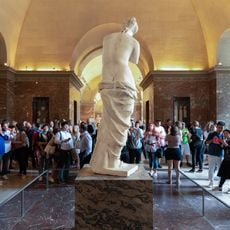
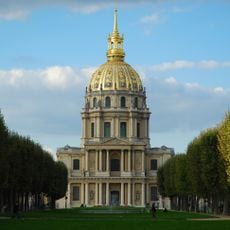
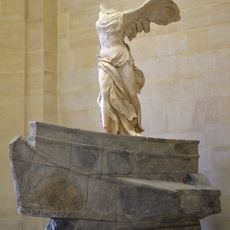
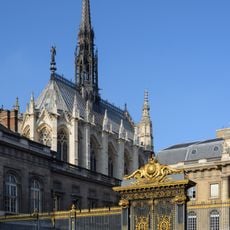
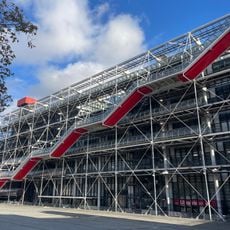
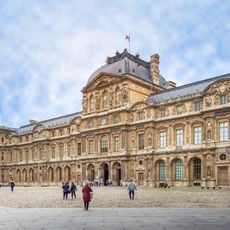
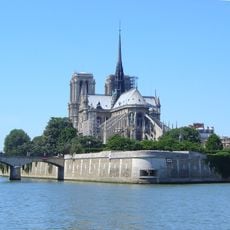
The riverbanks host some of France's most significant cultural monuments, including Notre-Dame Cathedral, the Louvre Museum, and the Eiffel Tower, reflecting diverse architectural styles from Gothic to modern metal construction.
The inscribed stretch runs about 8 km from the Pont de Sully to the Pont d'Iéna, extended in 2024 from the viaduc d'Austerlitz to the pont de Bir-Hakeim and the île aux Cygnes. The lower quays on both banks are closed to motor traffic: the left-bank expressway since 28 January 2013, the Georges-Pompidou section since summer 2016, joined as the Parc Rives-de-Seine inaugurated on 2 April 2017. The green bookstalls of the bouquinistes, on the quays since 1891, are best browsed on foot.
The quays themselves are among the oldest structures here: the quai des Grands-Augustins was built in 1312 and the quai de la Mégisserie in 1369. In 1753 the houses standing at the water's edge were demolished despite public opposition, clearing the ground for the high quays. The low quays later carried towpaths for river traffic.
The community of curious travelers
AroundUs brings together thousands of curated places, local tips, and hidden gems, enriched daily by 93,847 contributors worldwide.