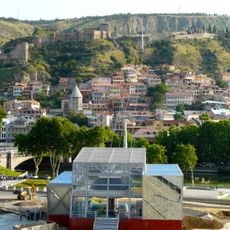
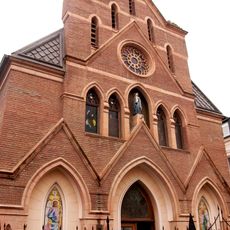
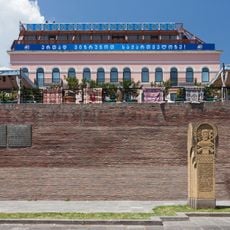
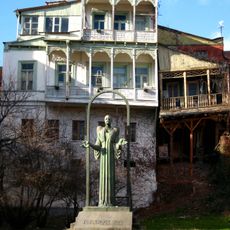
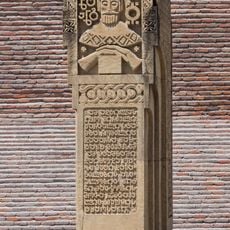
Tbilisi History Museum, Historical museum in central Tbilisi, Georgia.
The Tbilisi History Museum occupies the three-storey Arzruni caravanserai on Sioni Street, built in 1818. The ground floor holds souvenir shops, the permanent exhibition is on the second floor, and temporary shows of contemporary artists fill the third. Its collection exceeds 50,000 items, including a 5th-century agate seal with a portrait of Vakhtang Gorgasali and models of 19th-century Tbilisi houses, some never built.
The museum was founded on 10 May 1910 as the Tbilisi Municipal Museum, based on objects bought in 1910–1911. It was closed from 1914 to 1923, reopened in 1924, and in 1943 was renamed the State Historical-Ethnographic Museum of the City of Tbilisi. Since 1984 it has occupied the restored Artsruni caravanserai, built in 1818, which Tsarevich Alexander visited in 1850.
The museum displays traditional Georgian costumes, musical instruments, and ancient manuscripts that reveal how people lived in this region. These objects tell the story of daily life and craft traditions across different periods.
The museum is open most days of the week and visitors should allow time to explore the different levels throughout the building. Guided tours in multiple languages are available to help make sense of the collections.
The collection holds an agate seal gem from the 5th century bearing a portrait of King Vakhtang Gorgasali, and models of 19th-century Tbilisi houses that were planned but never built. The museum's own exhibitions travelled to London and Paris between 1933 and 1937.
The community of curious travelers
AroundUs brings together thousands of curated places, local tips, and hidden gems, enriched daily by 93,172 contributors worldwide.