Uusimaa, Administrative region in southern Finland
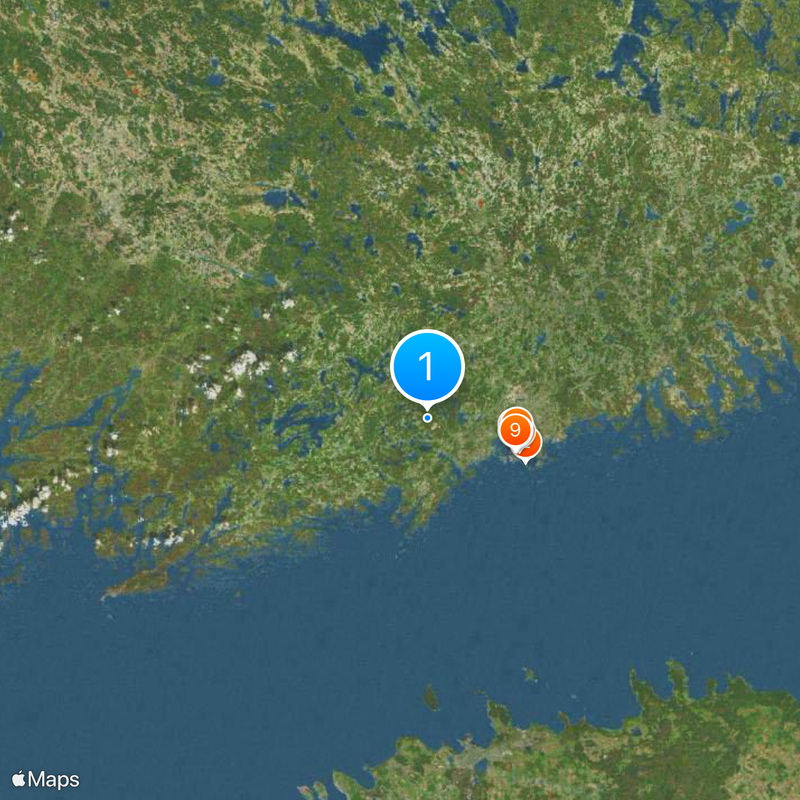
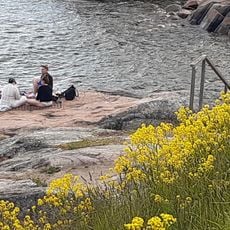
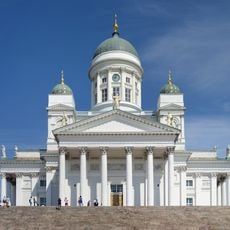
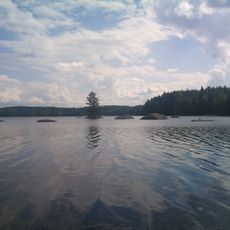
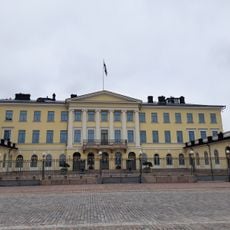
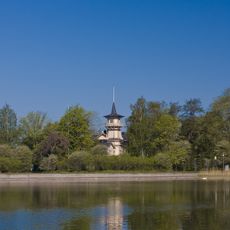
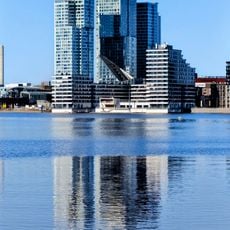
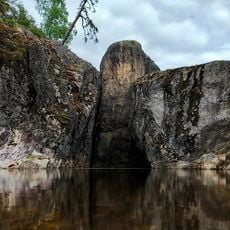
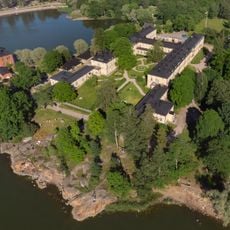
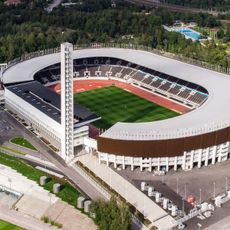
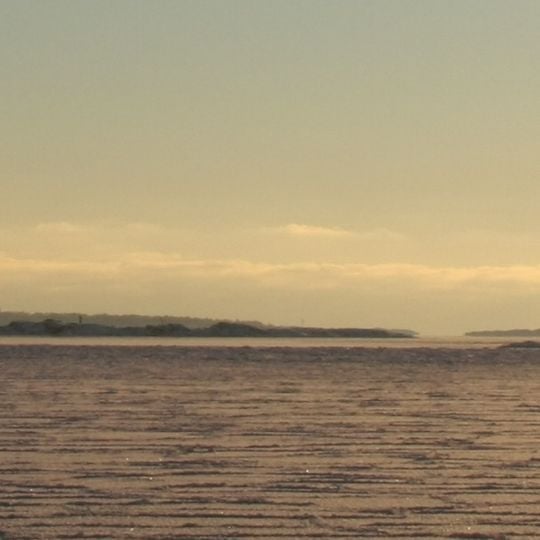
Uusimaa is an administrative region in southern Finland that follows the Baltic Sea shoreline and includes the capital Helsinki along with 25 other municipalities. The area combines urban centers with coastal landscapes, forests, and numerous islands accessible by ferry and bridge.
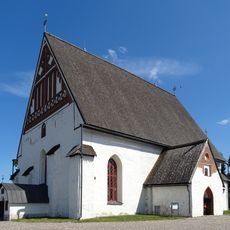
Swedish settlers arrived in the region during the 13th century and brought Christianity, while the name appeared in written documents for the first time in the mid-16th century. Administrative boundaries shifted over the centuries to reflect the growing importance of Helsinki and surrounding municipalities.
The name Uusimaa translates to Nyland in Swedish, meaning new land, a reference to medieval settlement patterns. Coastal communities still celebrate midsummer with bonfires and gatherings that reflect centuries-old maritime traditions.
Most visitors use Helsinki as a starting point and explore coastal towns, national parks, and smaller islands from there. Public transport connects major municipalities, while ferries run to the archipelago during summer months.
Though the region covers just three percent of Finland's land area, it is home to one-third of the country's entire population. Research funding also concentrates heavily here, with roughly half of national investment in science and innovation flowing into this area.
The community of curious travelers
AroundUs brings together thousands of curated places, local tips, and hidden gems, enriched daily by 91,025 contributors worldwide.