Jerusalem, Religious metropolis in Israel
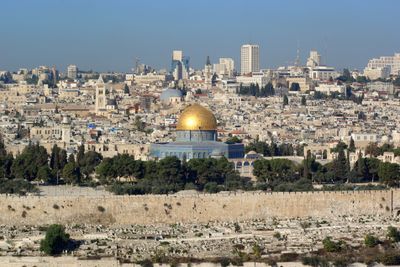
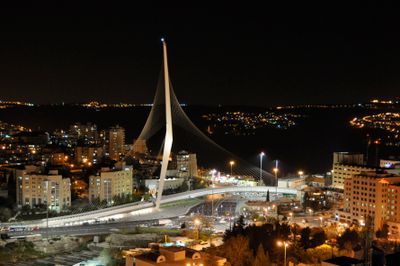
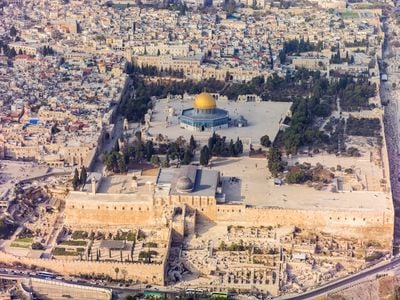
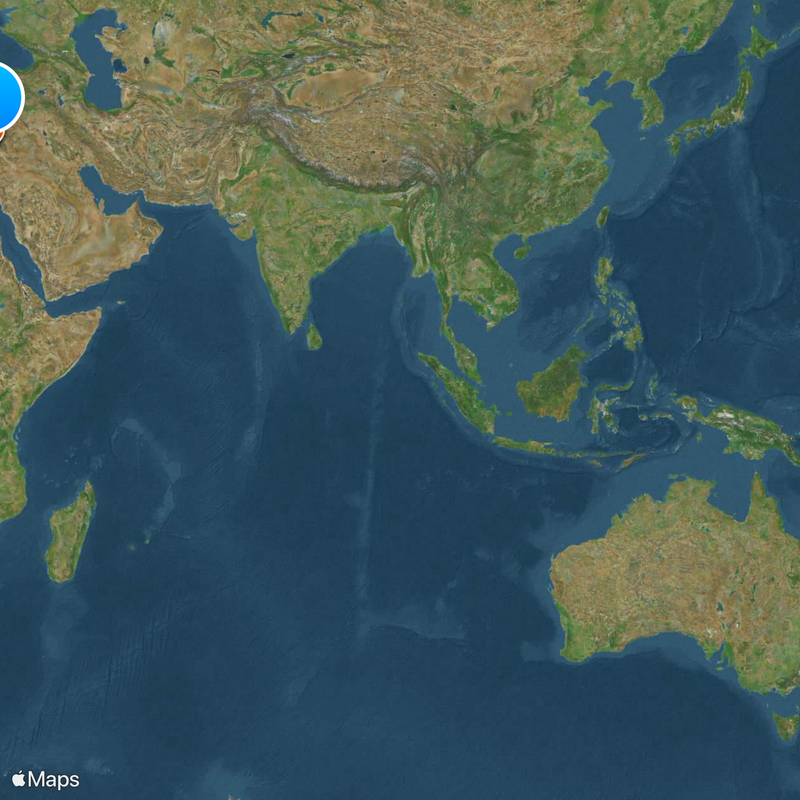
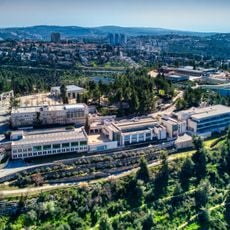
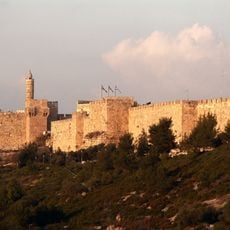
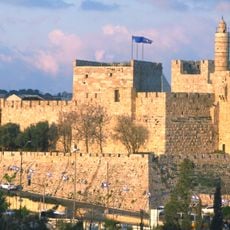
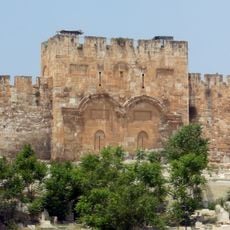
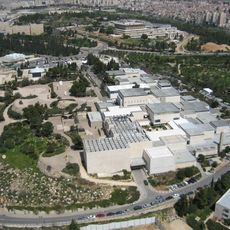
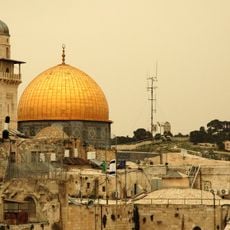
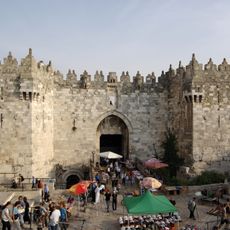
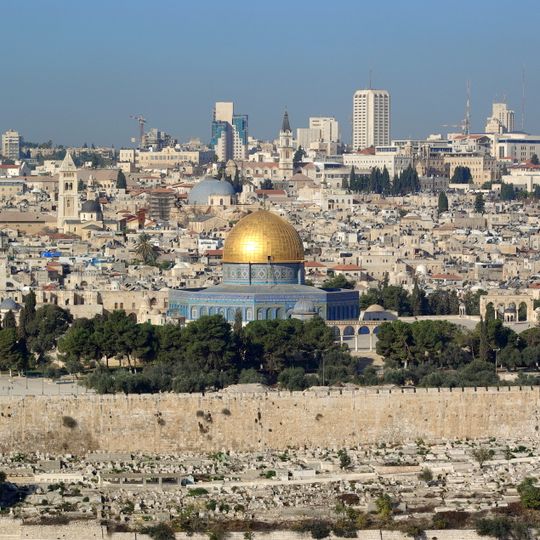
The city sits at 754 meters elevation between the Mediterranean and the Dead Sea, built from stone across multiple hills. An Ottoman wall from the 16th century encloses the Old City within roughly one square kilometer, while modern residential areas, government offices and university campuses have grown beyond the historic perimeter.
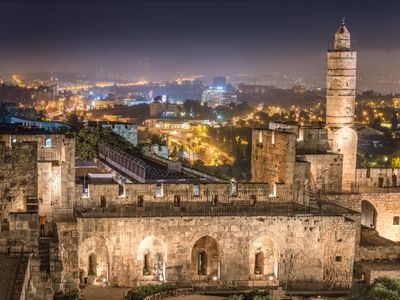
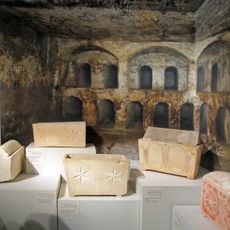
Archaeological finds show settlement from around 4000 BCE, with King David making it capital of the united Kingdom of Israel around 1000 BCE. Roman destruction in 70 CE was followed by Byzantine rule, Islamic conquest in 638 and Crusader control before Ottoman governance from 1517 to 1917 and the start of the British Mandate.
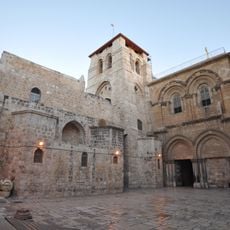
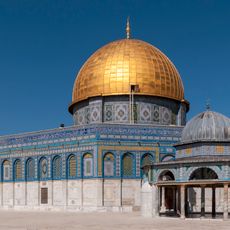
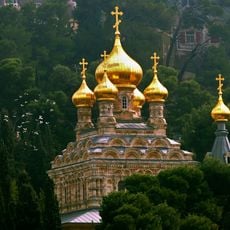
Daily routines mix prayer rituals, religious processions and ordinary street life across different neighborhoods. Followers of the three Abrahamic faiths share markets, alleyways and public squares where calls to prayer, church bells and the sound of the shofar mark different hours of the day.
The light rail connects eastern and western sections with 23 stops near major religious sites, and visitors should dress modestly for religious areas while expecting limited public transport on Fridays and Saturdays. Ben Gurion Airport is 50 kilometers northwest with regular bus and train links, while summer months from June through August bring temperatures above 30 degrees Celsius and winters are mild but rainy.
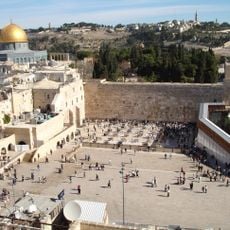
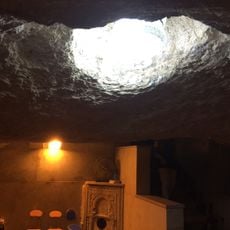
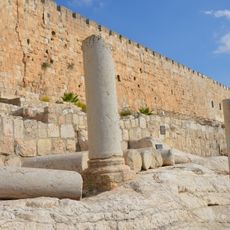
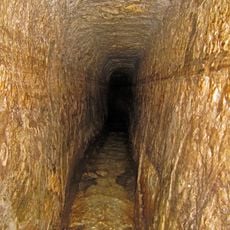
The underground tunnel system along the Western Wall stretches for 488 meters and reveals multiple architectural layers including Herodian stones weighing over 500 tons. Archaeologists have uncovered water channels from the Hasmonean period, Roman street pavement and medieval foundations documenting different construction phases spanning more than 2,000 years.
The community of curious travelers
AroundUs brings together thousands of curated places, local tips, and hidden gems, enriched daily by 60,000 contributors worldwide.