תל אביב-יפו, Mediterranean metropolis in Israel.
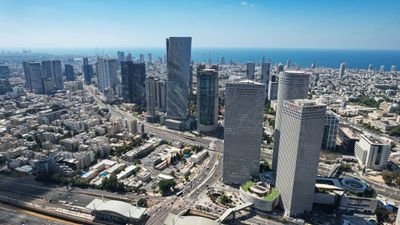
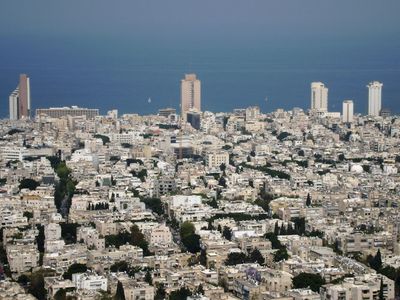
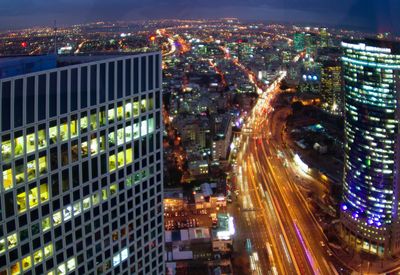
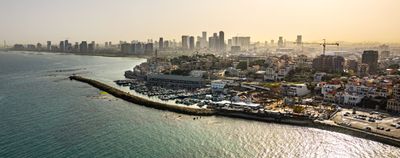
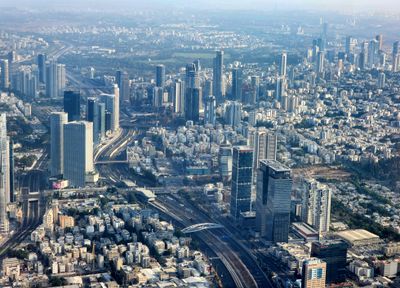
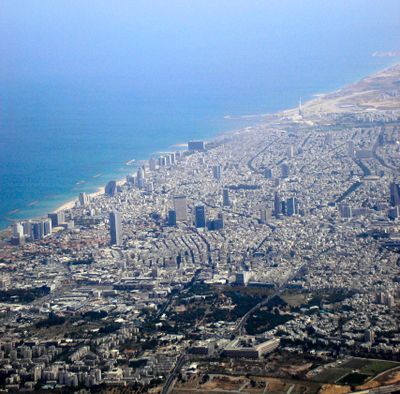
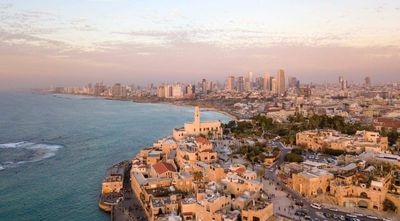
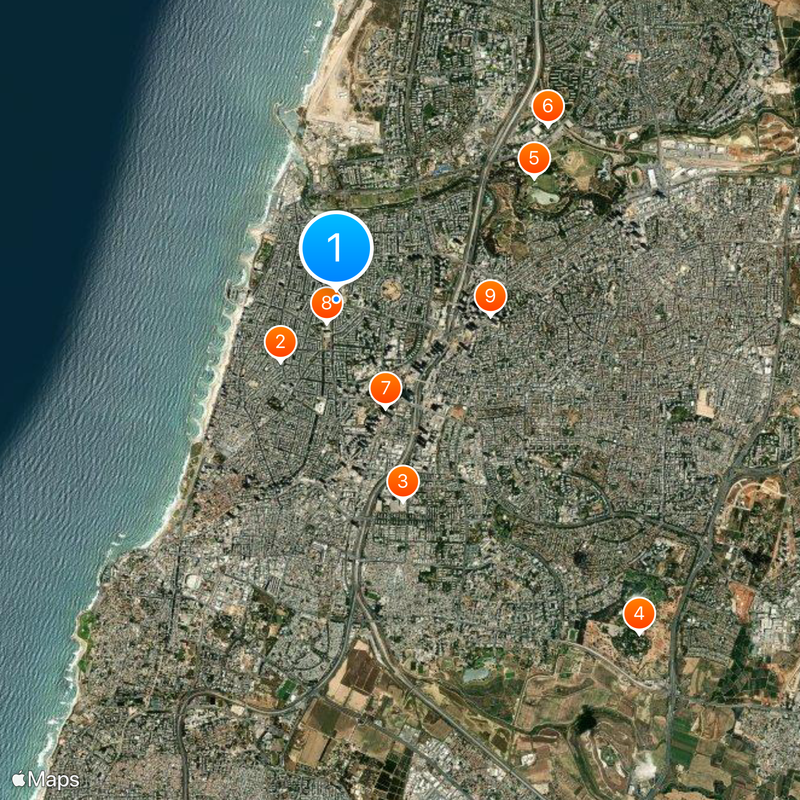
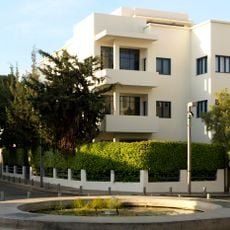
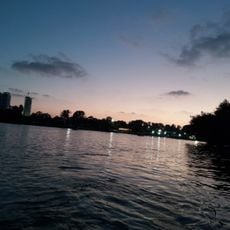
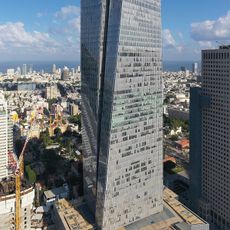
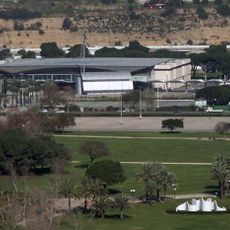
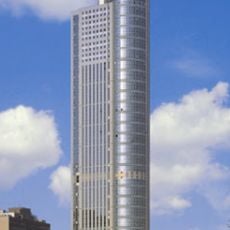
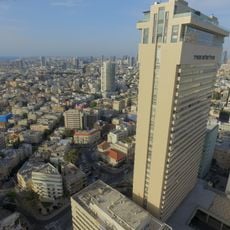
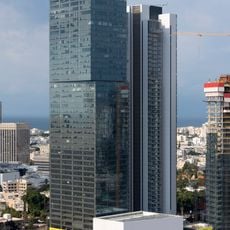
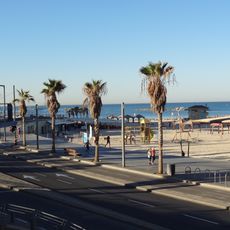
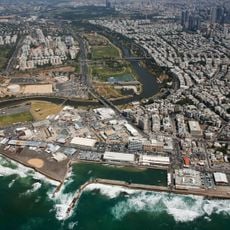
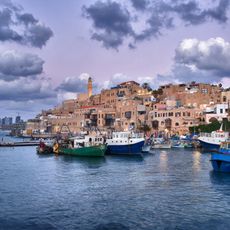
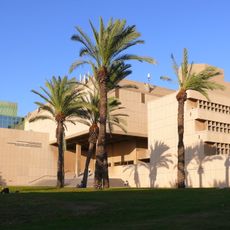
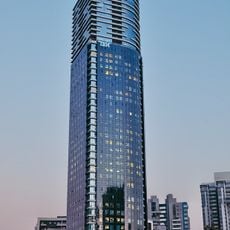
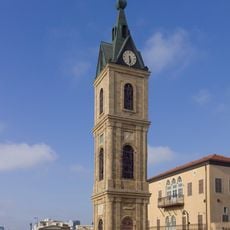
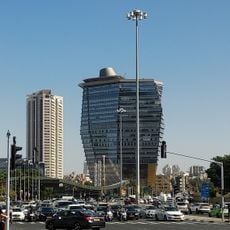
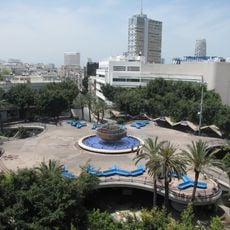
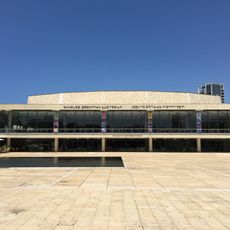
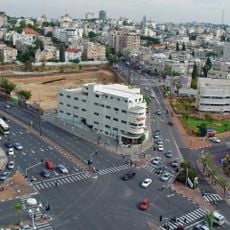
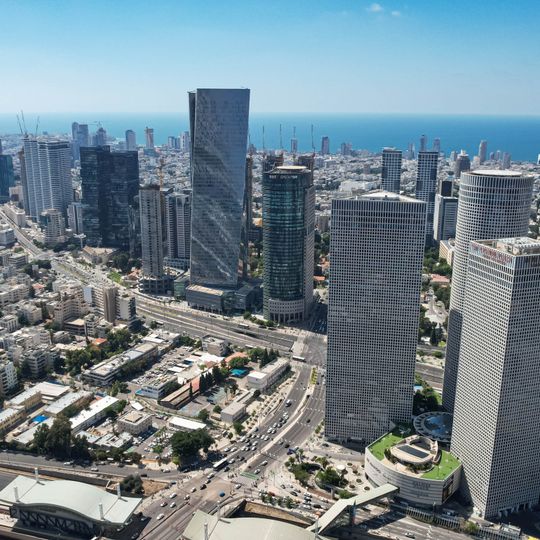
This Mediterranean city stretches along the coast with sandy beaches, modern buildings, and residential districts from Jaffa to the Yarkon River. The urban fabric mixes low apartment blocks with balconies and glass towers in the business quarter, while boulevards lined with palms and greenery connect the neighborhoods.
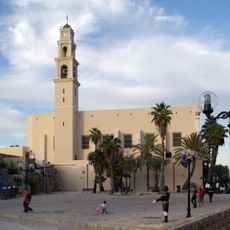
Sixty Jewish families founded a neighborhood outside ancient Jaffa in 1909, launching what became the first modern Hebrew city. After statehood in 1948, immigration from Europe and the Middle East swelled the population and pushed the urban area north and east.
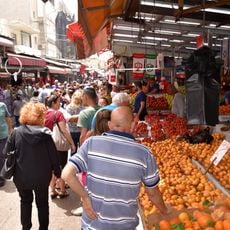
Markets like Carmel or Levinsky draw locals daily to shop for spices, olives, and baked goods, while cafés along Rothschild Boulevard serve as morning meeting spots for coffee and newspapers. Friday afternoons bring families to the beaches to welcome the weekend before sunset and Sabbath begin.
Public transport includes round-the-clock buses, bicycle lanes, and electric scooters linking all districts from the waterfront to the eastern business center. Most shops and public services close for Sabbath from Friday evening until Saturday evening, so plan visits around these hours.
The Gordon pool, built in 1956 on the shore, remains the only Olympic-size swimming facility in Israel filled with seawater. Swimmers do laps here while waves break against the nearby jetty and fishermen cast their lines just meters away.
The community of curious travelers
AroundUs brings together thousands of curated places, local tips, and hidden gems, enriched daily by 90,800 contributors worldwide.