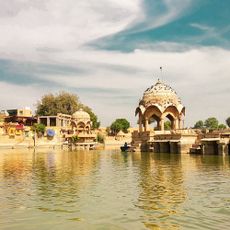
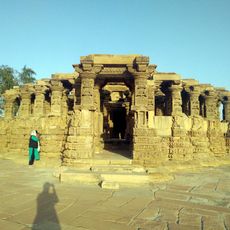
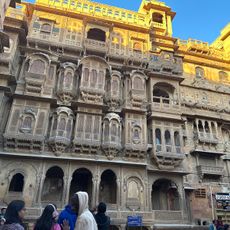
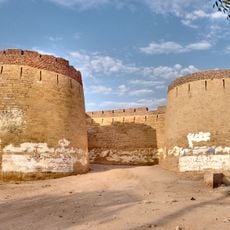
Thar Desert, Desert region in northwestern India and eastern Pakistan.
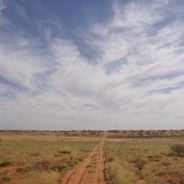
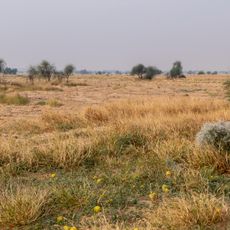
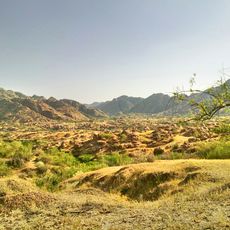
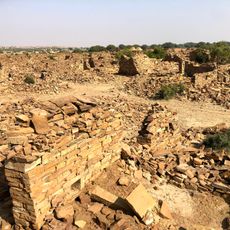
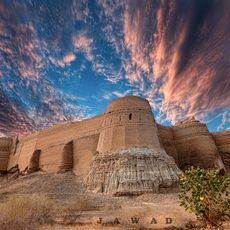
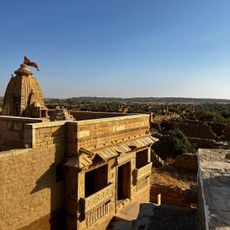
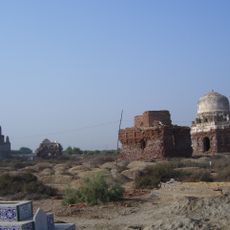
Thar is a large desert landscape in northwestern India and eastern Pakistan, stretching between the Sutlej and Indus rivers, bordered by the Aravalli hills to the southeast and the Rann flats to the south. Dune fields alternate with flat valleys and salty depressions, interrupted by scattered acacias and thorny scrubland.
The desert's aridity deepened from about 4,500–5,000 years ago, when the Aravalli uplift cut monsoon-fed rivers such as the Ghaggar-Hakra, identified with the paleo-Sarasvati, from the sea. Indus Valley Civilisation settlements along that river system declined into smaller farming communities as the Hakra became intermittent.
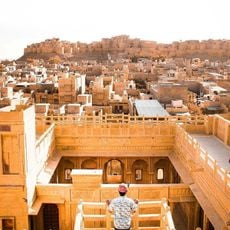
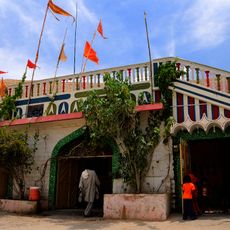
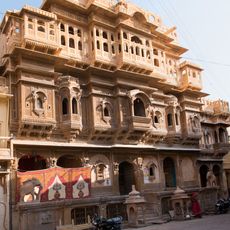
Villages are built from mud brick, where families raise sheep and camels and process wool as they have for generations. Merchants trade handwoven textiles and pottery at local markets, while musicians perform with traditional instruments during festivals and weddings.
Heat reaches extreme levels in summer, so cooler months are better for visiting, while the monsoon brings only light rain. Orientation is difficult across wide dune fields, so local guides or experienced companions are advisable for longer trips away from settlements.
The Thar is the last natural habitat of the endangered Great Indian Bustard, a large ground-dwelling bird. Chinkara and blackbuck also live here, alongside the desert fox. The khejri (Prosopis cineraria) is the state tree of Rajasthan and is scattered across the sandy plains.
The community of curious travelers
AroundUs brings together thousands of curated places, local tips, and hidden gems, enriched daily by 93,662 contributors worldwide.