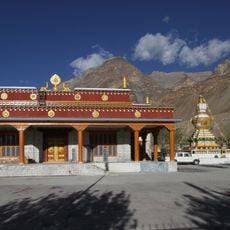
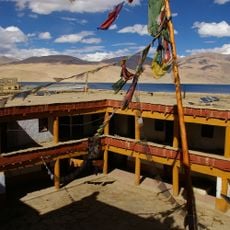
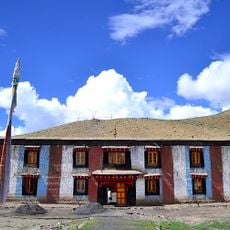
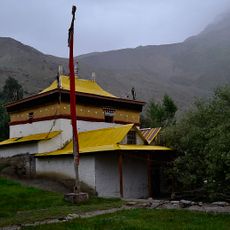
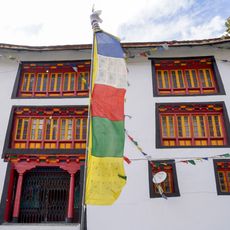
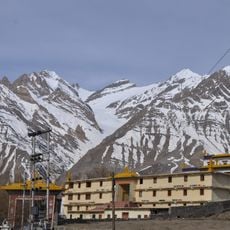
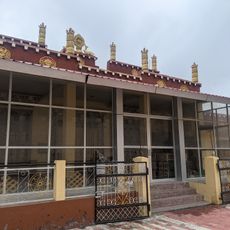
Key Monastery, Tibetan Buddhist monastery in Spiti Valley, India.
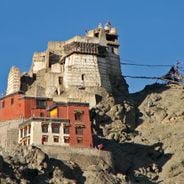
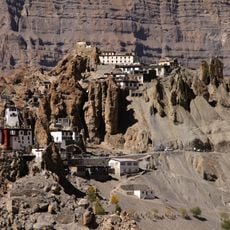
Key Monastery sits on a conical hill and is threaded with narrow passages and multiple levels that connect different prayer chambers. The complex is carefully fitted into the steep landscape of the area and offers views across the valley from above.
Founded in the 11th century by Dromtön, a pupil of Atisha, the monastery may originally have been a Kadampa site at nearby Rangrik. In the mid-17th century Mongols plundered it and it became Gelugpa. It was sacked around 1821, damaged by the Dogra army in 1841, attacked by Sikhs, ravaged by fire in the 1840s and hit by an earthquake in 1975.
The monastery displays ancient murals and manuscripts that show its role as a teaching center through the centuries. Monks perform traditional dances here that bring the faithful together and keep regional customs alive.
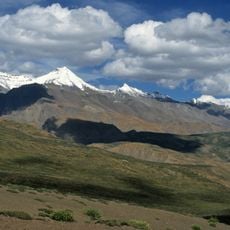
The monastery can be reached from the town of Kaza by road or hiking trail, with varying terrain to expect along the way. The elevation gain and location require reasonable fitness, so it makes sense to allow plenty of time for the climb.
The monastery keeps a collection of weapons, a detail noted in descriptions of the site. It also houses ancient manuscripts and thangkas. The complex has three floors, the lowest mainly underground and used for storage, while the Tangyur room is painted with murals.
The community of curious travelers
AroundUs brings together thousands of curated places, local tips, and hidden gems, enriched daily by 93,765 contributors worldwide.