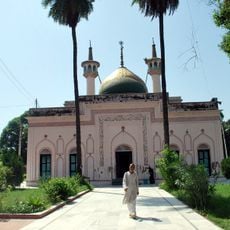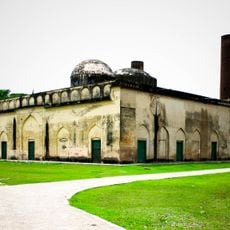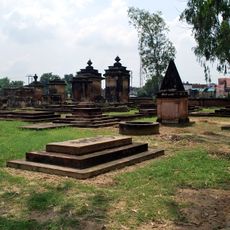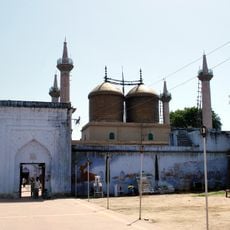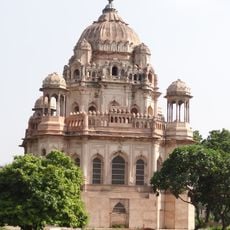
Mahmudabad, town in Sitapur, Uttar Pradesh, India
Mahmudabad is a town in Sitapur district in Uttar Pradesh, situated on flat, fertile Ganges plain land and serving as the local administrative and trading center for surrounding villages. The streets are lined with shops and markets where vendors daily sell vegetables, grains, and everyday necessities.
Mahmudabad was founded in the 17th century by Raja Mahmud Khan, a descendant of the first Caliph Abu Bakr, and developed into one of the region's major estates under Mughal rule. During the 1857 rebellion, Raja Nawab Ali Khan led resistance against British rule until his death as a martyr in 1858.
Mahmudabad is shaped by Shia Islamic traditions and Nawabi cultural heritage that remain visible in daily practices and celebrations. Annual Muharram processions with elaborate decorations and religious recitations bring the community together, reinforcing their connection to centuries of local history.
The town is easily reached by train, as Mahmudabad railway station is nearby and offers connections to larger cities like Lucknow. From there you can walk to the town center or take a short auto-rickshaw ride, with buses also connecting to nearby villages.
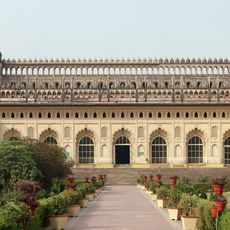
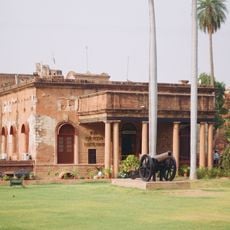
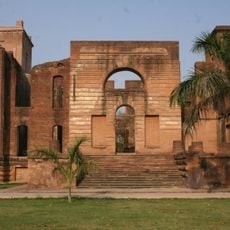
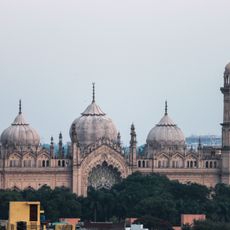
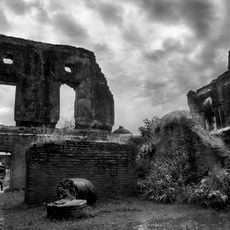
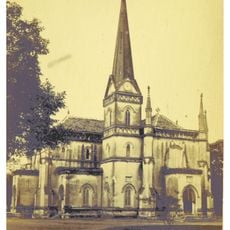
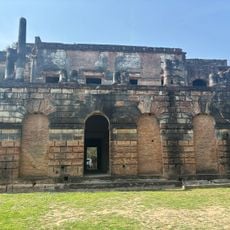
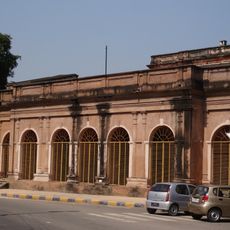
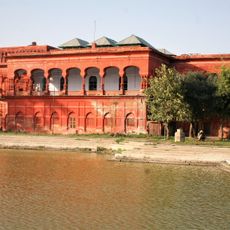
The old Qila Mahmudabad fort was rebuilt after the 1857 uprising and preserves intricate woodwork along with a private library holding rare manuscripts in Arabic, Persian, Urdu, and English. This structure blends Mughal and Nawabi architectural styles and today serves as both a residence and cultural heritage site.
The community of curious travelers
AroundUs brings together thousands of curated places, local tips, and hidden gems, enriched daily by 92,683 contributors worldwide.