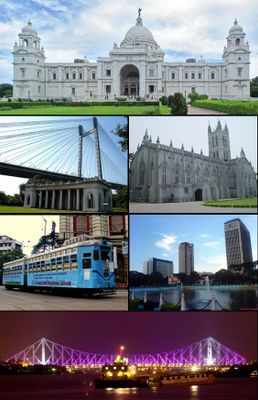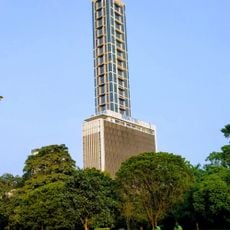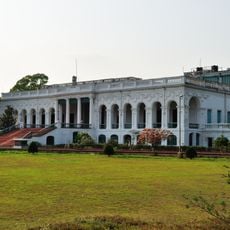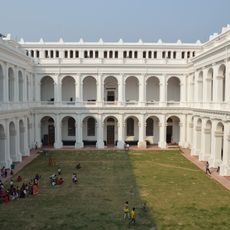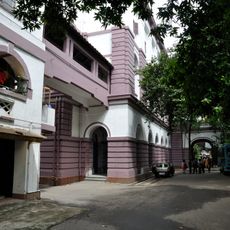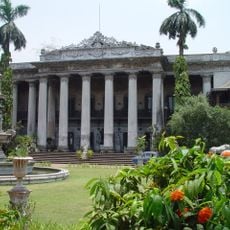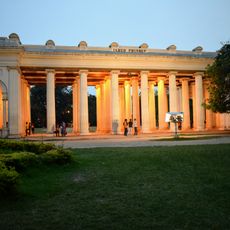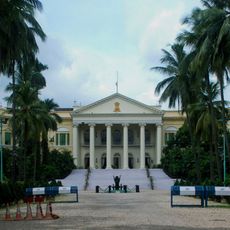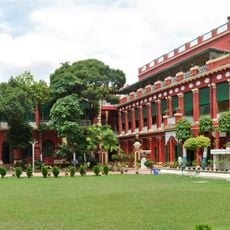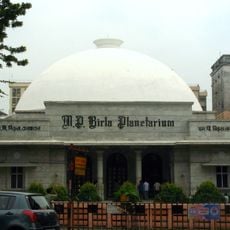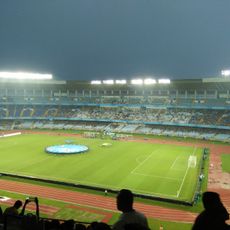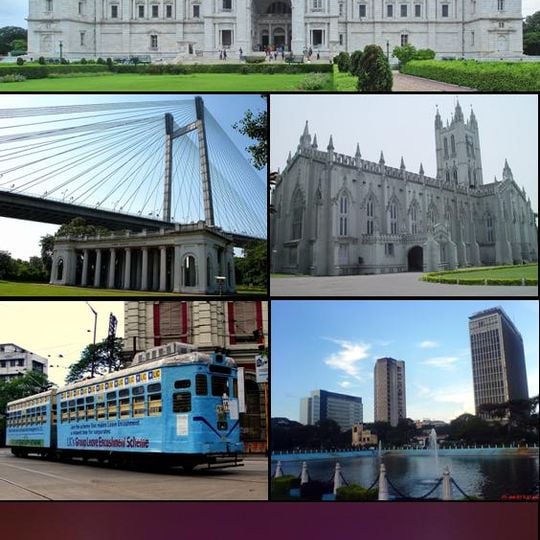
Kolkata district, Administrative district in West Bengal, India.
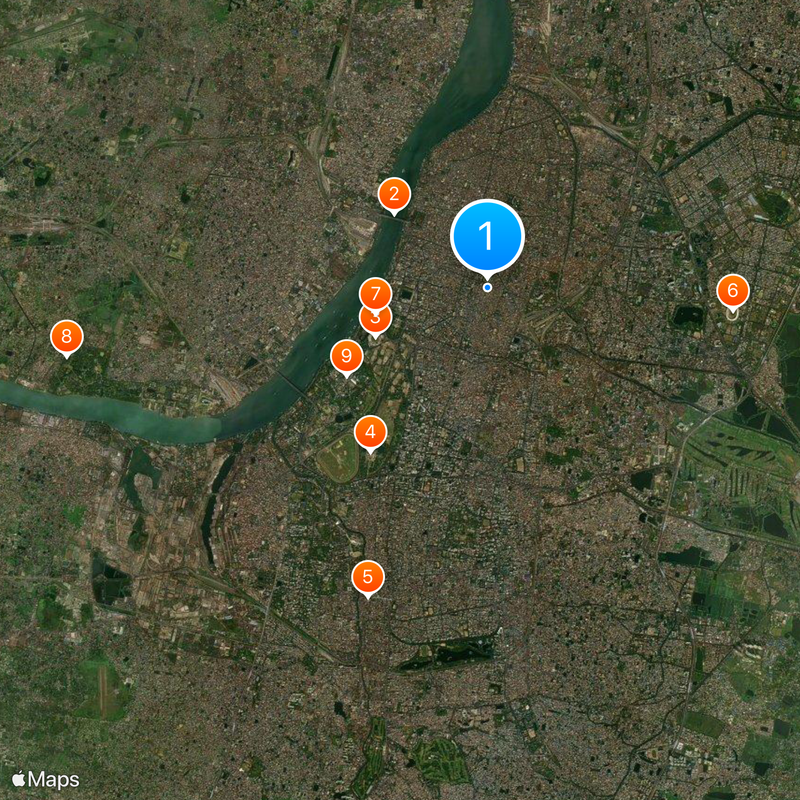
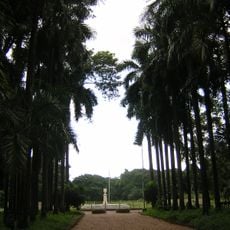
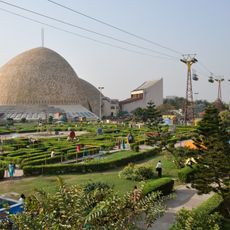
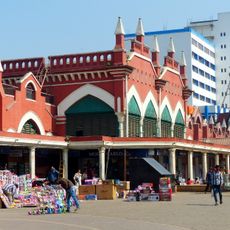
This district stretches along the eastern bank of the river and includes residential neighborhoods, markets, parks, and commercial zones. Streets alternate between wide tree-lined thoroughfares and narrow lanes with shops on both sides.
Three riverside villages merged during trading activities in the late 17th century and formed the foundation for later urban expansion. Its role as capital ended in 1911 when the government relocated to a new city.
Street vendors offer roasted peanuts and fried snacks at almost every corner, while people gather for tea in small shops. In the late afternoon, parks fill with families and children playing football or flying kites.
Public buses and the metro connect all major areas, while yellow taxis and cycle rickshaws serve shorter distances within neighborhoods. Major railway stations offer connections to other parts of the state and the country.
Wetlands in the eastern part serve as a natural sewage treatment system, turning wastewater into usable water for fish farming through a series of shallow ponds. This centuries-old method works without chemicals and supplies local markets with fresh fish at the same time.
The community of curious travelers
AroundUs brings together thousands of curated places, local tips, and hidden gems, enriched daily by 91,349 contributors worldwide.