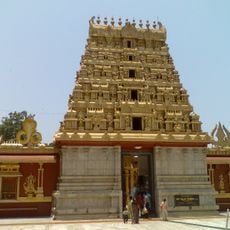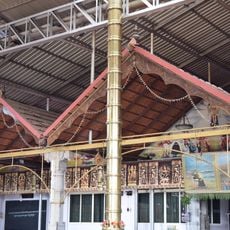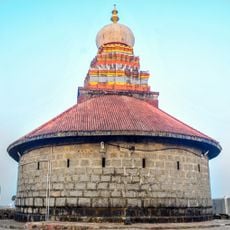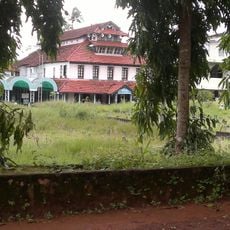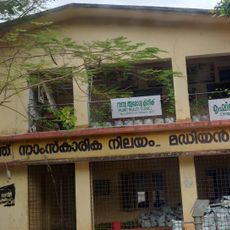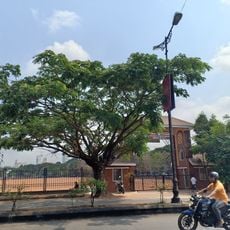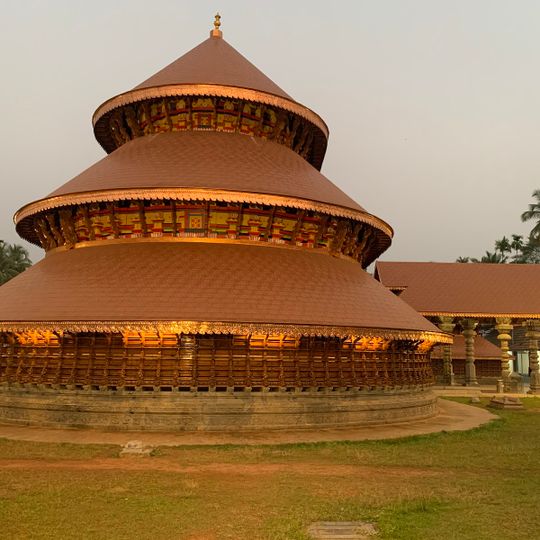
Madhur Temple, Ancient Hindu temple in Kasaragod district, India.
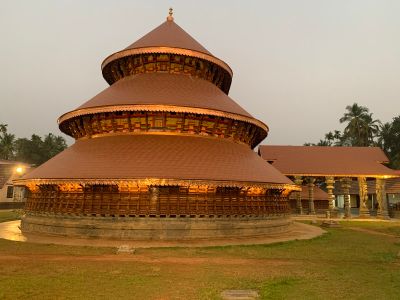
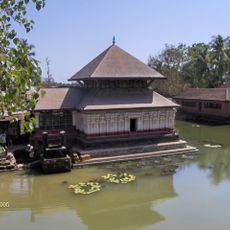
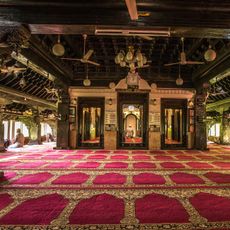
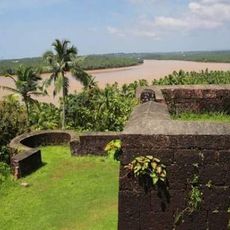
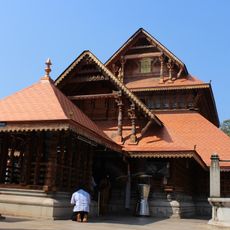
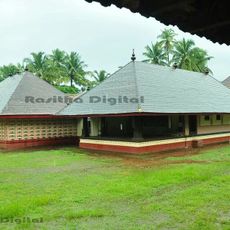
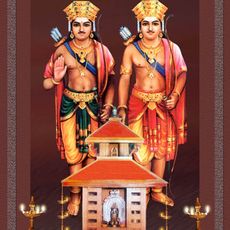
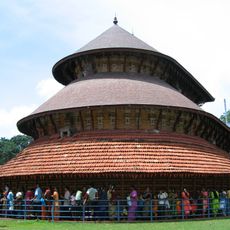
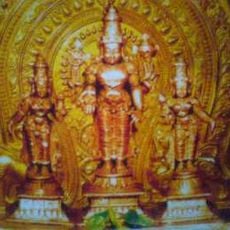
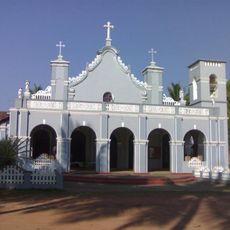
The Madhur Temple, 7 km from Kasaragod town on the west bank of the Mogral river (Madhuvahini), has a three-tiered gajaprishta roof shaped like an elephant's back. Its lower walls carry wooden carvings of Ganesha in different poses and scenes from the Ramayana. The main sanctum holds Madanantheshwara Shiva and a south-facing Ganapathi, with Parvati also inside.
A local woman named Madaru, from the Tulu Moger community, is said to have found a self-arisen Shiva linga, and the shrine was first known as the Madaneshwara Shiva temple. A boy playing on the southern wall of the sanctum drew a Ganapathi figure that grew larger day by day, and he called it Boddajja. The temple later came under the Kumbla Rajas of Maipady Palace, and the Malabar Devaswom Board now manages it.
The temple's name links Shiva as Madanantheshwara, the god who destroyed Kama, with Siddhivinayaka, the form of Ganesha installed facing south in the main sanctum. The daily prasada is appa, and the Sahasrappa offering consists of a thousand appas that the devotee takes home. The Moodappam Seva, covering the Ganapathi statue with appam, is held only occasionally because of its cost; the last time was about twenty years ago.
The temple remains open from sunrise to sunset daily and is accessible throughout the year. Buses serve the area regularly from Kasaragod, making the location easy to reach from the city.
The temple is one of six Ganapathi temples of ancient Tulunadu, alongside Sharavu Mahaganapathy in Mangalore, Mahaganapathy in Anegudde, Siddi Vinayaka in Hattiangadi, Dwibhuja Ganapathy in Idagunji and the Ganapati at Gokarna. Its Ganapathi image is believed to have been cut from the wall, after a boy's drawing of it kept growing.
The community of curious travelers
AroundUs brings together thousands of curated places, local tips, and hidden gems, enriched daily by 92,789 contributors worldwide.