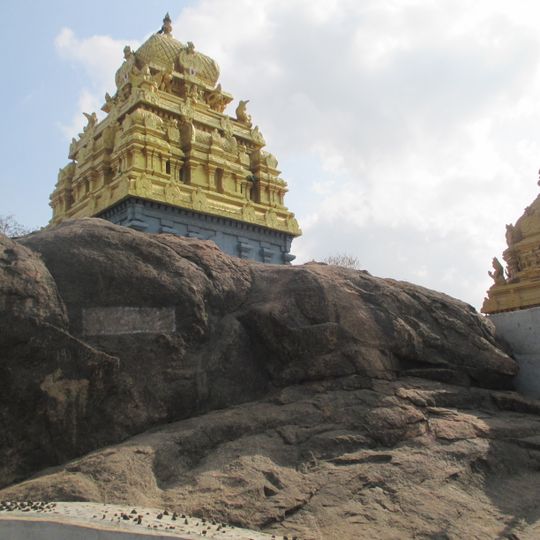
Patalathri Narasimhar Temple, Hindu temple in Tamil Nadu, India
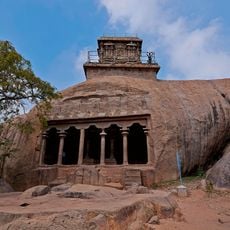
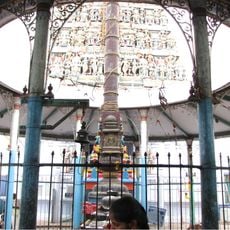
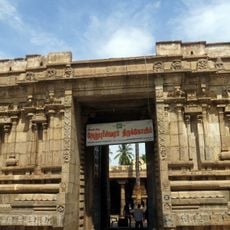
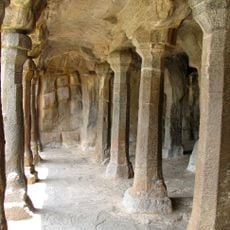
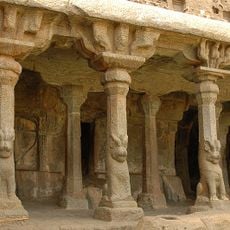
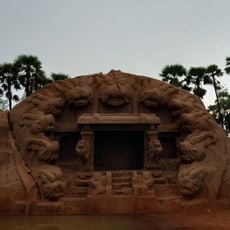
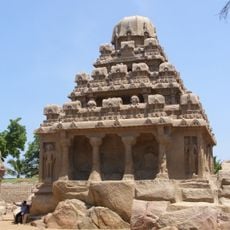
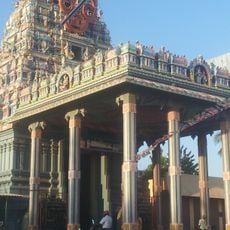
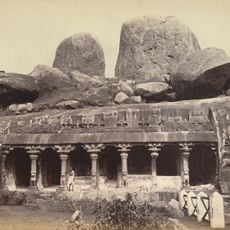
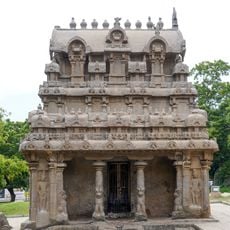
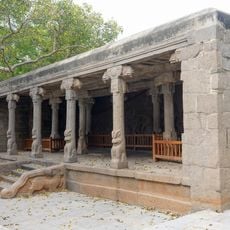
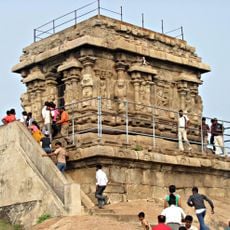
Padalathri Narasimhar Temple, also called Singaperumal Koil, is a rock-cut cave temple in Singaperumal Koil, Chengalpattu district, Tamil Nadu. Its sanctum holds a seated rock-cut Narasimha with four hands holding conch and chakra, the right leg bent and the left hanging, and a third eye on the forehead. Two dvarapalas guard the entrance, and the vimana above carries stucco images of Vishnu's avatars.
The original rock-cut temple is attributed to the Pallavas in the 8th century. Wall inscriptions date from the 10th–11th century Chola period; the oldest, from 990 CE under Raja Raja Chola, records a gift of 26 sheep to produce ghee for perpetual lamps. The temple was earlier called Alvar Narasingadevar and Narsinga Vinnagar Alvar.
Worship follows the Tenkalai tradition of the Vaikasana Agama, with four daily pujas: Ushathkalam at 8 a.m., Kalasanthi at 10 a.m., Sayarakshai at 5 p.m. and Ardha Jamam at 8 p.m., each with decoration, food offering and lamp waving for Narasimhar and Ahobilavalli. The Chittirai Brahmotsavam in April–May and the Aani temple-car procession draw the festival deities through the streets of Singaperumalkoil.
The temple is open daily from 7 a.m. to 12 p.m. and 4:30 p.m. to 8:30 p.m., with four rituals held at 8 a.m., 10 a.m., 5 p.m. and 8 p.m. It lies in Singaperumal Koil, about 45 km from Chennai, and is maintained by the Tamil Nadu Hindu Religious and Endowment Board.
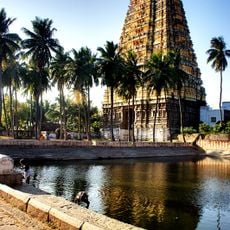
The temple tank is linked to the legend of Narasimha's anger: after killing Hiranyakashipu, the deity is said to have bathed here to cool down, and the water is believed to have turned red. The oldest inscription, from 990 CE under Raja Raja Chola, records a gift of 26 sheep to produce ghee for the temple's perpetual lamps.
The community of curious travelers
AroundUs brings together thousands of curated places, local tips, and hidden gems, enriched daily by 93,312 contributors worldwide.