Po, River system in northern Italy.
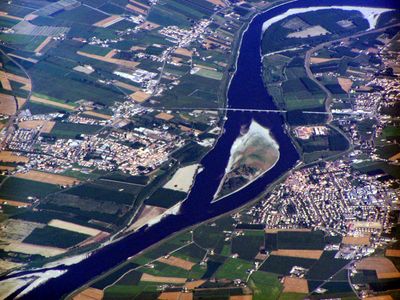
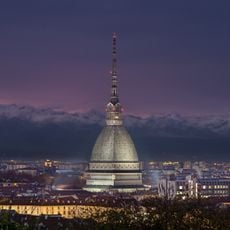
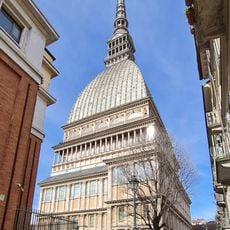
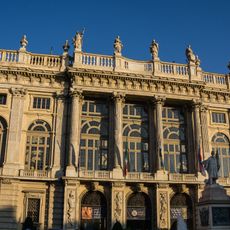
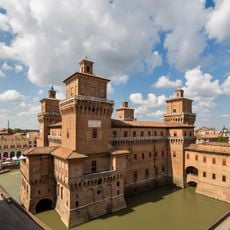
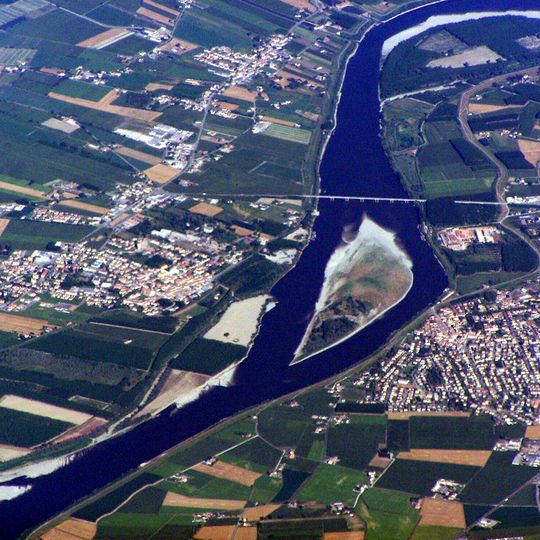
The Po crosses northern Italy from the Cottian Alps eastward to the Adriatic Sea, forming a wide riverbed with many tributaries and side channels along its route. It flows through Turin, Piacenza and Ferrara, creating flat farmlands that have supported agriculture and human settlement for centuries.
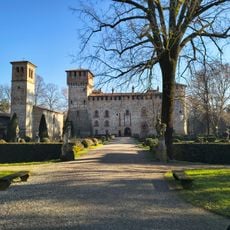
The Romans constructed the first major regulation works along the waterway to control flooding and protect trade routes linking their northern territories. After centuries of neglect during invasions, medieval and Renaissance cities rebuilt and expanded these systems to support commerce and farmland defense.
Communities along the river still hold summer festivals that include boat processions and open-air markets where locals sell cheese, rice and wine from the surrounding farmlands. In the evenings, families gather on the riverbanks to walk or fish, continuing a rhythm of life tied to the water for generations.
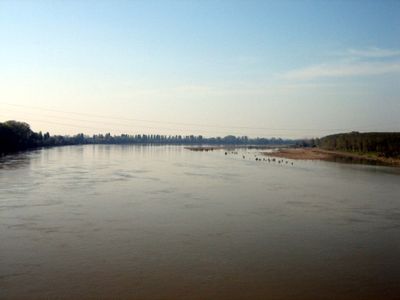
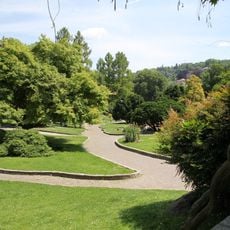
The waterway is accessible from several riverside paths that run through cities and smaller towns along its course, making it easy to walk or cycle beside the water. Water levels change throughout the year, with higher flow in late autumn and winter, so the landscape and riverbanks shift accordingly.
The delta splits into fourteen separate mouths arranged in five groups, with sediment pushing roughly 80 hectares of new land into the sea each year. This constant movement changes the coastline noticeably and creates new habitats for water birds and fish that visitors can observe in the wetlands.
The community of curious travelers
AroundUs brings together thousands of curated places, local tips, and hidden gems, enriched daily by 60,000 contributors worldwide.