Taiheiyō Belt, Megalopolis and industrial region on Pacific coast, Japan
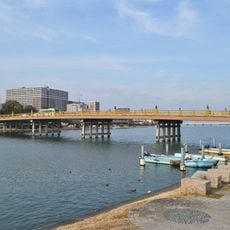
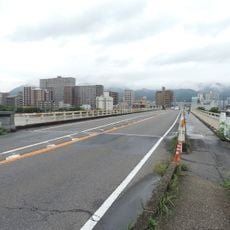
The Taiheiyō Belt is a continuous urban and industrial region stretching along Japan's Pacific coast, linking several of the country's largest cities into a single connected area. It consists of high-density neighborhoods with tall buildings, factories, ports, and railway networks that weave through and connect the various urban centers.
After World War II, this region became Japan's economic center as agricultural land was converted into industrial and residential areas. This rapid transformation established one of the world's largest continuous industrial zones.
The population here has developed a way of living centered on efficient use of compact spaces and coordinated public transportation. Daily rhythms in the cities follow the pace of commuting, work, and quick access to services within walking distance or short train rides.
The region is connected by an extensive network of high-speed trains, airports, and seaports that make travel between different cities straightforward. The best way to explore the area is using these transportation systems, especially trains for movement between cities and airports for longer distances.
Though occupying a small portion of the country, this region concentrates an overwhelming majority of Japan's population in tightly packed urban areas. This makes it a striking example of extreme urban density on a global scale.
The community of curious travelers
AroundUs brings together thousands of curated places, local tips, and hidden gems, enriched daily by 90,789 contributors worldwide.