Shibuya-ku, Urban administrative ward in Tokyo, Japan
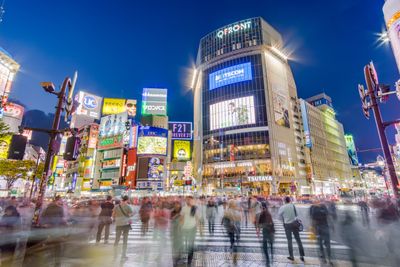
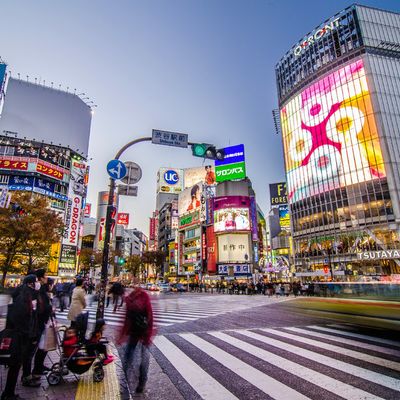
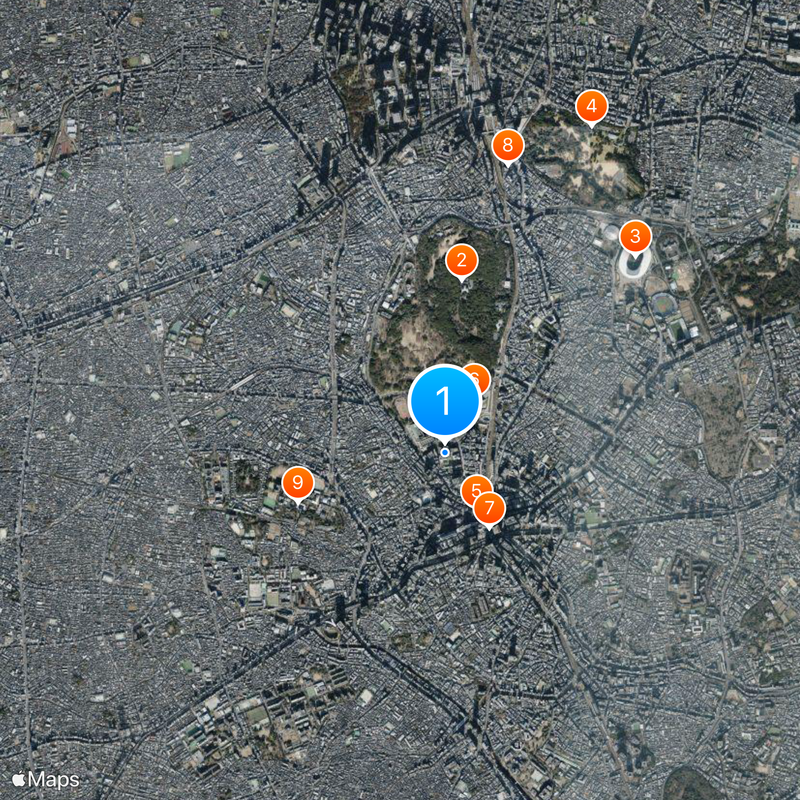
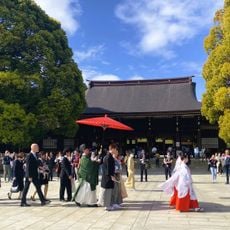
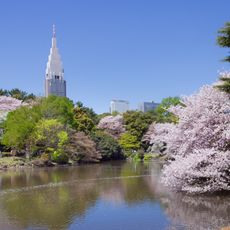
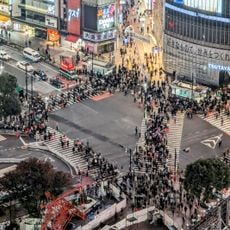
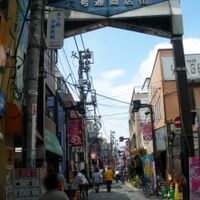
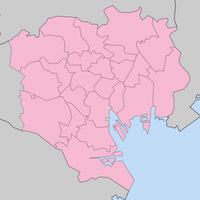
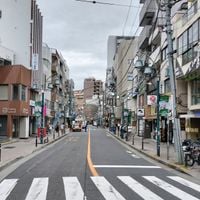
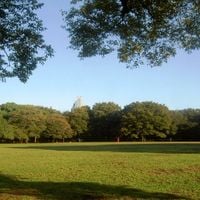
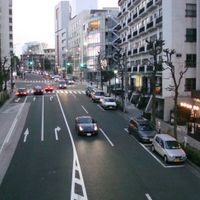
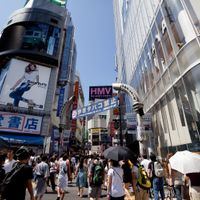
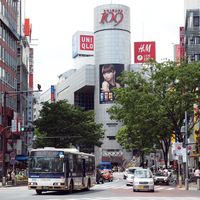
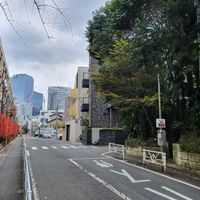
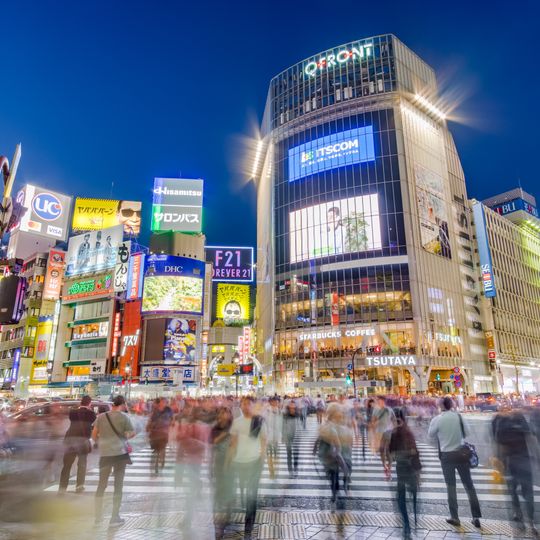
Shibuya-ku is a central ward in Tokyo that spreads across a densely built area west of the Imperial Palace. The district connects residential quarters with shopping streets, parks, and railway stations that see hundreds of thousands of commuters pass through daily.
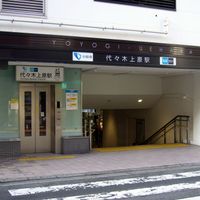
An 11th-century castle settlement formed here, which later became a postal relay point. With the opening of the Yamanote loop line in the late 19th century, the area developed into a transport hub and attracted shops and residential construction.
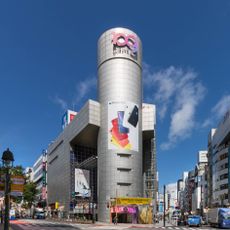
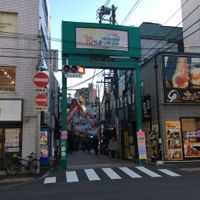
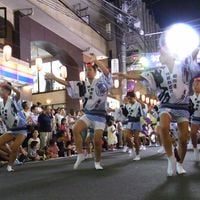
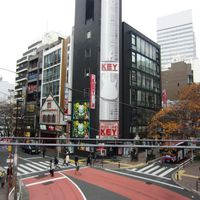
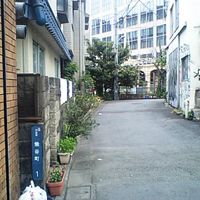
The name comes from an old word for a bitter valley where tea bushes once grew. Today fashion boutiques, music shops and youth cultures shape the streetscape, while nightlife unfolds in the winding alleys after dark.
The area is best explored on foot or by subway, as many destinations are just a few minutes' walk from each other. Weekend evenings bring large crowds, while weekdays are calmer and offer more room to explore.
A bronze dog statue stands at the station plaza, commemorating a loyal animal that waited for years for its deceased owner. The meeting point is now one of the most photographed spots in the city and serves as a landmark for locals and visitors.
The community of curious travelers
AroundUs brings together thousands of curated places, local tips, and hidden gems, enriched daily by 90,763 contributors worldwide.