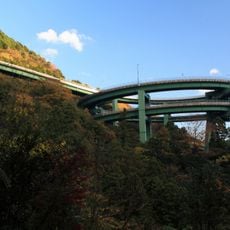
Izu Province, Historical province in eastern Honshu, Japan
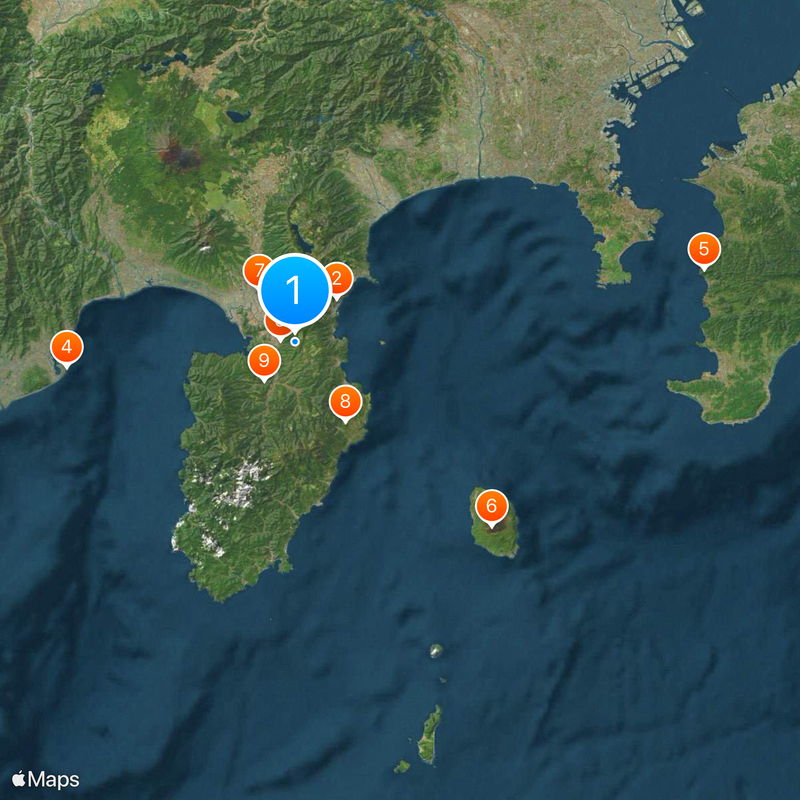
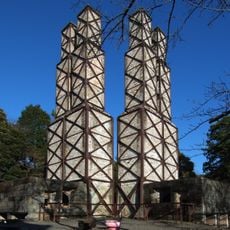
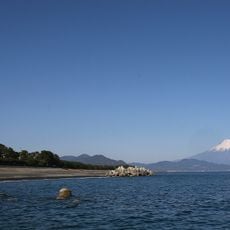
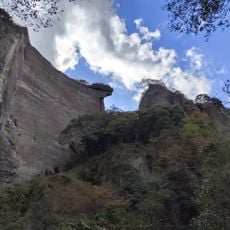
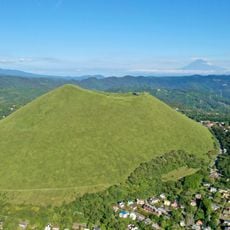
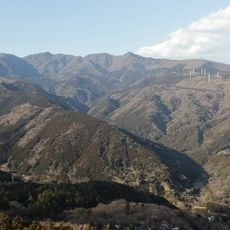
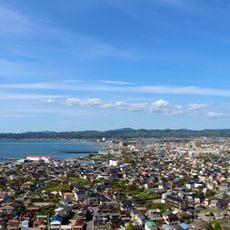
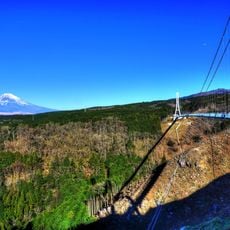
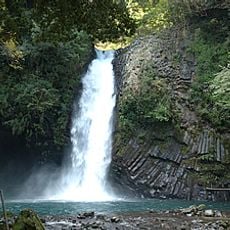
Izu Province was a historical region in eastern Honshu that encompassed the Izu Peninsula and several islands with mountainous terrain and deep coastlines. The area is known for its numerous hot springs dotting the Pacific coast and distinctive geographical features shaped by volcanic activity.
The province was formed between 680 and 710 by consolidating several districts and later became a place of exile for political prisoners during the Heian period. This particular role shaped its significance in Japan's administrative and political history for generations.
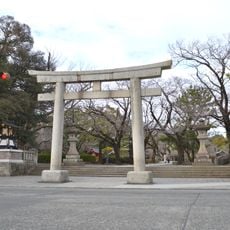
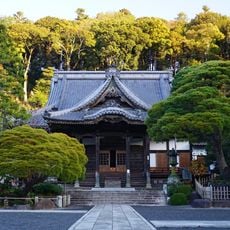
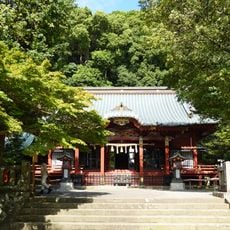
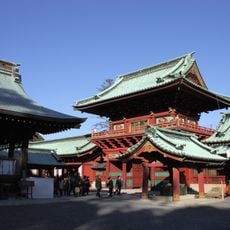
The region is home to several Buddhist temples like Shuzenji Temple and the Mishima Taisha shrine, which remain important religious centers today. These sacred sites reflect how deeply rooted spiritual traditions shape the identity and daily life of local communities.
The region is well connected by modern rail services including the Tokaido Shinkansen and multiple expressways linking it to Tokyo and other major cities. Visitors will find convenient transportation options to explore the different parts of the area easily.
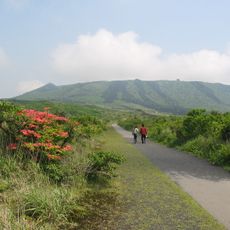
The area is known for growing wasabi in its mountain streams and is home to the Amagi Mountain Range with Mount Amagi as its highest peak. These natural features make it a distinctive agricultural and landscape area within Japan.
The community of curious travelers
AroundUs brings together thousands of curated places, local tips, and hidden gems, enriched daily by 60,000 contributors worldwide.