Tōkaidō, Historical circuit between Edo and Kyoto, Japan
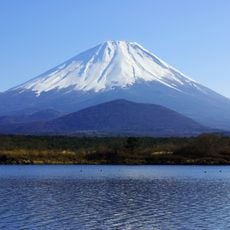
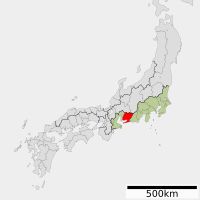
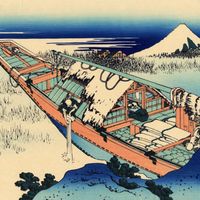
The Tōkaidō is a historical road between Edo (now Tokyo) and Kyoto in Japan, stretching 500 kilometers through fifteen provinces. The route passes near Mount Fuji and follows the Pacific coast in parts, crossing numerous towns and rural areas.
Between 1603 and 1868, this route served as one of five major highways linking the capital with essential administrative regions. The road was organized through a system of 53 post stations where travelers could rest and stay overnight.
The name means "Eastern Sea Road" and refers to its position along the Pacific coast, which was known as the eastern sea. Many sections of the old route are now modern roads, while some villages and rest stops have retained their historical functions.
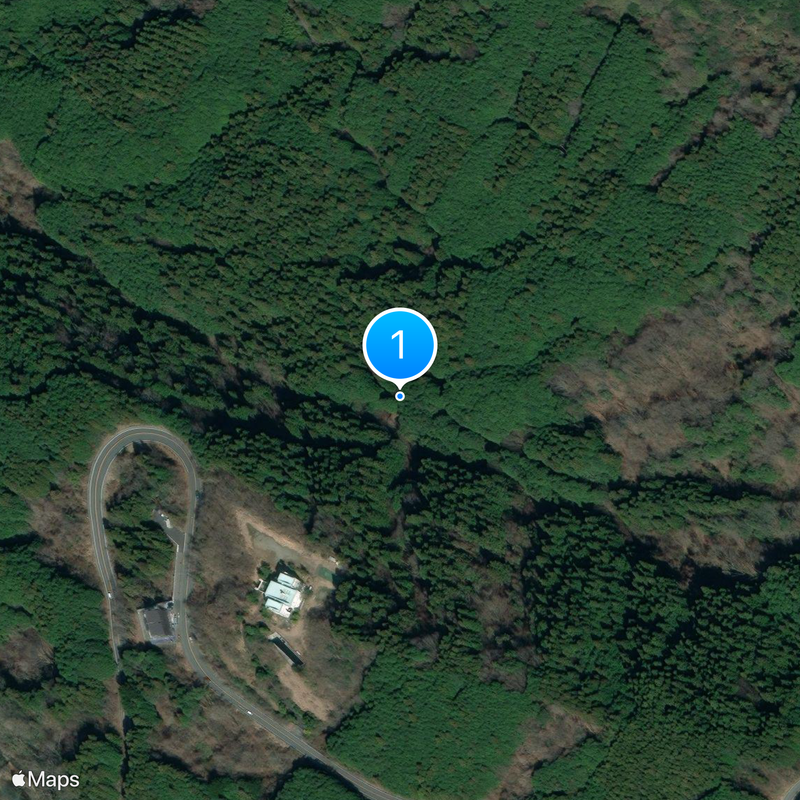
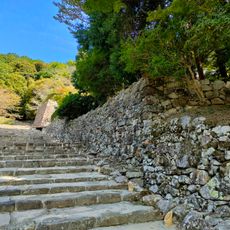
Modern travelers can explore segments of the original path while using the parallel rail line that connects major stations between Tokyo and Kyoto. Some parts of the old road are well marked and pass through forests, valleys, and small towns.
Messengers called hikyaku could complete the entire journey in just three to four days, while ordinary walkers needed about thirteen days. These couriers ran day and night, alternating at post stations to deliver important messages quickly.
The community of curious travelers
AroundUs brings together thousands of curated places, local tips, and hidden gems, enriched daily by 60,000 contributors worldwide.