Shimōsa Province, Historical province in northern Chiba and southwestern Ibaraki, Japan
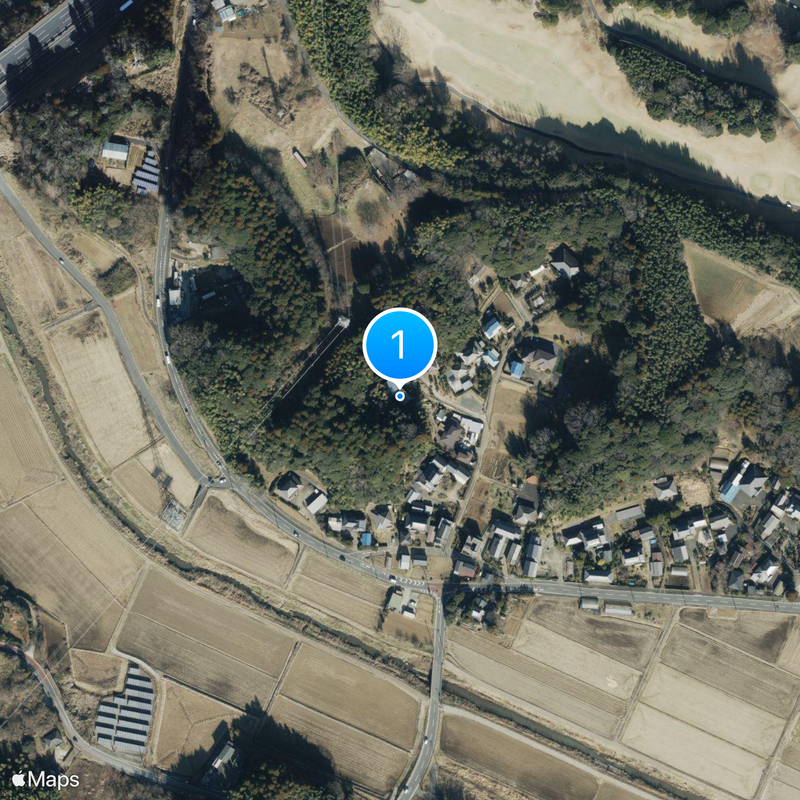
Shimōsa was a historical administrative unit that covered parts of present-day Chiba and Ibaraki prefectures and was divided into eleven separate domains during the Edo period. The region stretched from the Pacific coast to Tokyo Bay and included fertile plains along the Tone River.
The region was established as a province in the seventh century and played a key role in supplying rice and other agricultural products to the imperial court. The area remained an important administrative unit until the abolition of the provincial system during the Meiji Restoration in 1871.
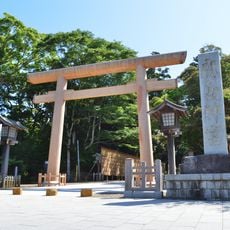
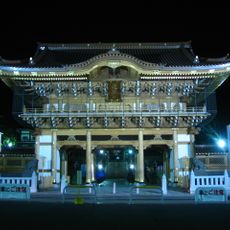
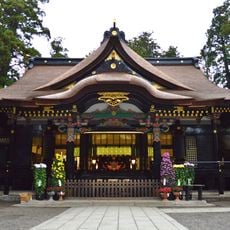
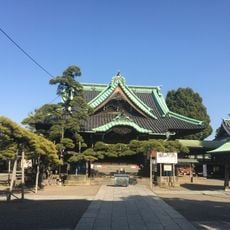
The region's name comes from the Japanese term for "lower Fusa," distinguishing it from neighboring Kazusa Province to the south. Katori Shrine remains an active pilgrimage destination and continues to draw visitors who follow traditional Shinto practices passed down through centuries.
Visitors can explore historical sites and shrines throughout the modern cities of Chiba and Ibaraki to get a sense of the province's administrative structure. The region is well connected by public transport from Tokyo and offers access to rural areas and coastal sections.
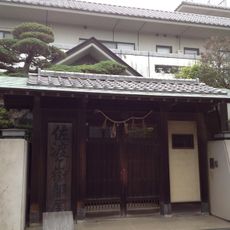
The province was the site of a famous seventeenth-century petition when a village headman protested directly to the shogun about excessive taxes. His action led to his execution but made him a folk figure still honored in local shrines today.
The community of curious travelers
AroundUs brings together thousands of curated places, local tips, and hidden gems, enriched daily by 60,000 contributors worldwide.