Kazusa Province, Historical province in central Bōsō Peninsula, Japan
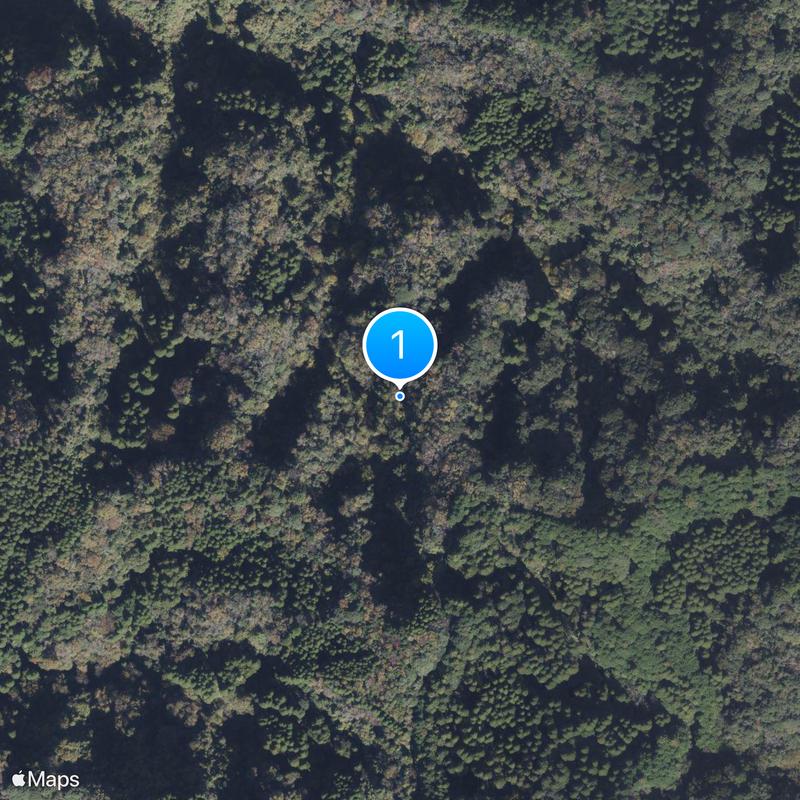
Kazusa was a historical administrative region on the central Bōsō Peninsula in Japan that extended from Tokyo Bay to the Pacific Ocean. It bordered Shimōsa to the north and Awa to the south, covering areas that now belong to Chiba Prefecture.
Emperor Kōtoku divided the original Fusa region into two parts between 645 and 654, creating this new administrative unit. In 718, four counties separated to form Awa, reducing the number of territories under its control.
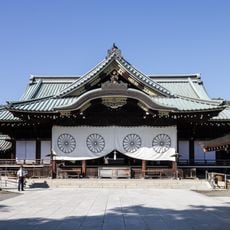
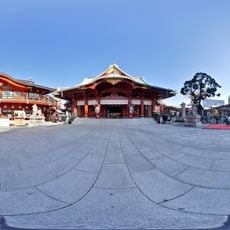
The Tamasaki Shrine serves as the primary Shinto sanctuary of the former region and sits in present-day Ichinomiya within Chiba Prefecture. Visitors can observe traditional architecture and ritual practices that date back to when the area functioned as a separate administrative entity.
The former administrative region can best be explored today through Chiba Prefecture, where several historical sites and shrines reveal its earlier significance. Travelers should note that no official boundaries exist anymore and orientation follows current place names.
The name of the Bōsō Peninsula combines characters from the three former administrative regions that once shaped the area. This linguistic fusion shows how closely the historical territories were connected to each other.
The community of curious travelers
AroundUs brings together thousands of curated places, local tips, and hidden gems, enriched daily by 60,000 contributors worldwide.