Musashi Province, Historical province in Kantō region, Japan
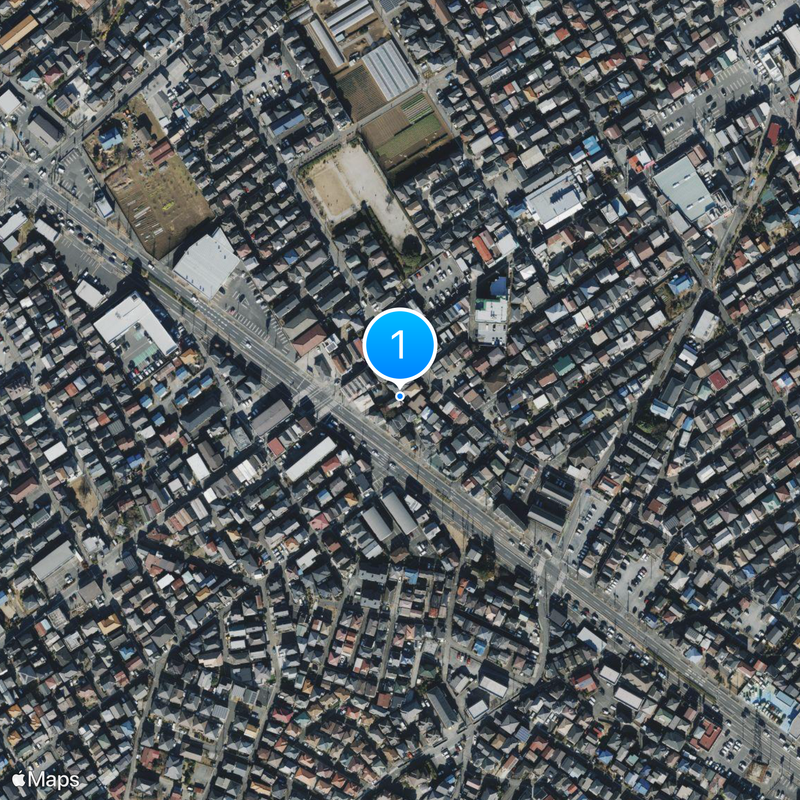
Musashi was a historical province covering the territories of present-day Tokyo Metropolis, most of Saitama Prefecture, and parts of Kanagawa Prefecture along the eastern coast of Japan. The territory stretched from the Chichibu mountains in the northwest to the shores of Tokyo Bay in the southeast, encompassing twenty-two administrative districts.
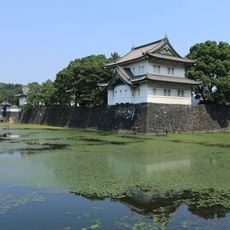
The province served as the foundation for Edo Castle in the 16th century, which later transformed into the imperial residence after the capital moved to Tokyo. Copper deposits discovered in the year 707 within the territory led to the minting of the first Japanese copper currency and established the term wadō.
Twenty-one train stations across Kanagawa, Tokyo, and Saitama regions incorporate the name Musashi, reflecting the geographical inheritance of this ancient territory. The designation reminds travelers and residents daily of the historical reach of the former province across large parts of the Kantō plain.
The former province covered an area now divided by modern administrative boundaries into three separate prefectures. Visitors can trace the historical extent along rail lines that cross the region from mountains to coast.
The name Musashi appears today in school names, businesses, and public facilities across the greater Tokyo area, connecting modern institutions with ancient provincial history. This continuity shows especially in the daily life of residents who still use the historical term for orientation and identification.
The community of curious travelers
AroundUs brings together thousands of curated places, local tips, and hidden gems, enriched daily by 90,826 contributors worldwide.