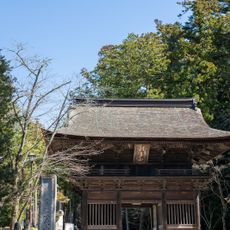
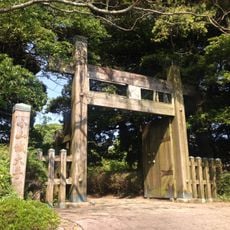
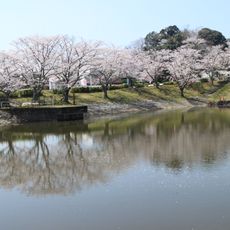
Tōtōmi Province, Historical province in western Shizuoka, Japan
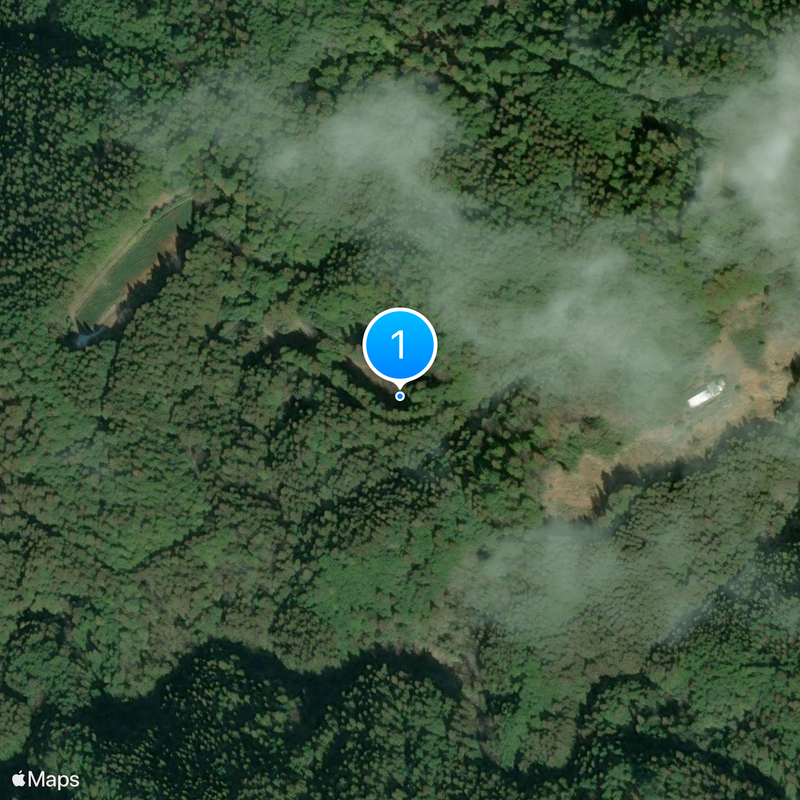
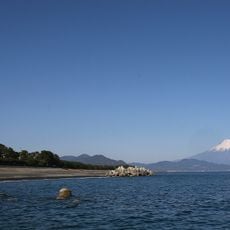
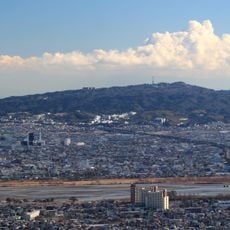
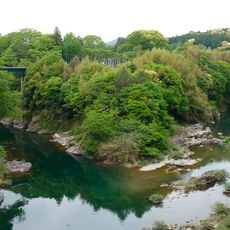
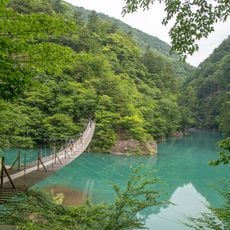
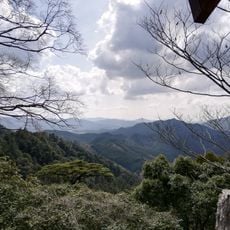
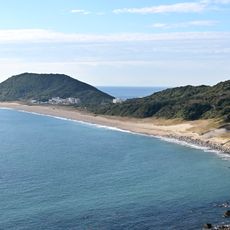
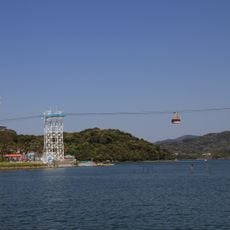
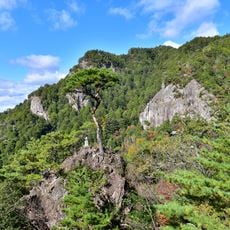
This former administrative territory covered the western half of what is now Shizuoka Prefecture, stretching from mountain ranges to the Pacific coast. Lake Hamana formed the central body of water, while rivers and plains shaped the surrounding landscape.
During the Nara period, the administrative center formed in Iwata, later known as Mitsuke, serving as a node in the regional road network. After the Meiji Restoration of 1868, the territory dissolved into the modern prefecture structure.
The Engishiki classification system designated Tōtōmi as a superior country among the sixteen middle countries, reflecting its status within Japanese provincial hierarchy.
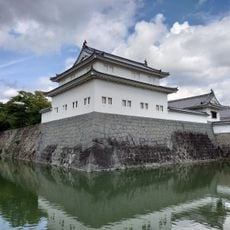
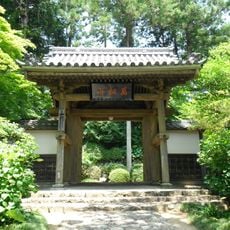
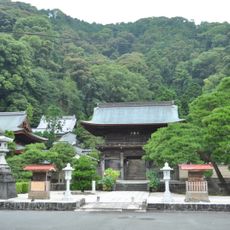
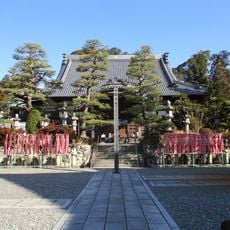
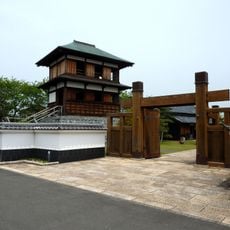
The territory developed into an industrial zone during the late 1800s with the construction of the Tōkaidō Main Line railway and textile mills along its route. Visitors today can explore historic town centers that recall the earlier administrative framework.
Former warriors began cultivating green tea in the Makinohara area after 1871, transforming the territory into one of Japan's major tea-growing zones. This shift came after the feudal system ended and offered the former soldiers a new livelihood.
The community of curious travelers
AroundUs brings together thousands of curated places, local tips, and hidden gems, enriched daily by 60,000 contributors worldwide.