Kunōzan Tōshō-gū, Shinto shrine on Mount Kunōzan, Japan
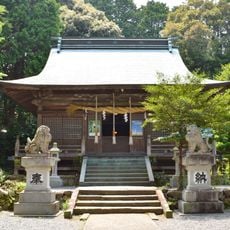
Kunōzan Tōshō-gū is a Shinto shrine on the southern slope of Mount Kunō, a 216 m peak above Suruga Bay in Suruga-ku, Shizuoka. Its honden, ishi-no-ma and haiden, completed in 1617, form one connected ishi-no-ma-zukuri building in the Azuchi-Momoyama style, with black lacquer, polychrome carvings and gold leaf. The raised hall has a green copper roof with gold trim along the eaves, a red-painted platform and railing, and a stone stair at the left.
The shrine was built in 1617 after the death of Tokugawa Ieyasu, the first shōgun of the Tokugawa period. His original burial site remained here before part of his remains were moved later to Nikkō.
The name combines Kunō, the mountain, with Tōshō-gū, the title granted to shrines honouring Tokugawa Ieyasu; the court bestowed it in 1645. The shrine's main festival is held on 17 April, the date of Ieyasu's death, while the spring festival on 16–18 February draws larger crowds. Ieyasu is worshipped here as Tōshō-Daigongen, joined since the Meiji period by Toyotomi Hideyoshi and Oda Nobunaga.
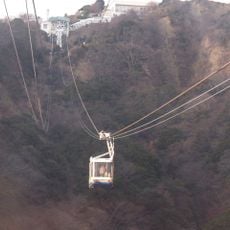
Visitors can climb more than 1000 stone steps from the south or take a ropeway from Nihondaira plateau. The climb on foot takes between thirty and forty-five minutes depending on pace.
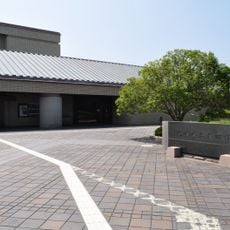
A museum on the grounds shows personal items of Tokugawa Ieyasu, including a clock given to him in 1611 by Sebastián Vizcaíno. The gift from the Spanish diplomat shows early contact between Japan and Europe during the Edo period.
The community of curious travelers
AroundUs brings together thousands of curated places, local tips, and hidden gems, enriched daily by 93,013 contributors worldwide.