Toro, Archaeological site in Suruga-ku, Shizuoka City, Japan
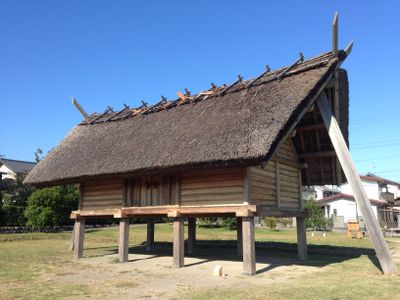
Toro is an archaeological site in Suruga-ku, Shizuoka, Japan, preserving remains of dwellings, rice paddies, and storage buildings. The excavated structures show the layout of an organized village with clear areas for living, farming, and food storage.
Toro was found in July 1943 during construction of a wartime munitions plant. Japan's first comprehensive excavation, combining archaeology, anthropology and geology, followed in 1947-48 and uncovered over 80,000 square metres of paddies, wells and buildings. The site was designated a Special Historic Site in 1952, and re-excavation from 1999 to 2003 brought out bronze bracelets and a lacquered zither.
The discovered artifacts, including pottery, tools, and ceremonial objects, demonstrate the development of early Japanese farming communities during the Yayoi period.
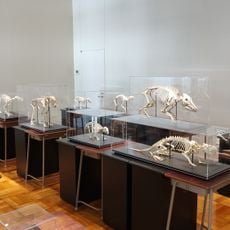
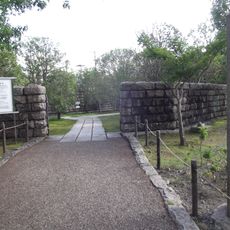
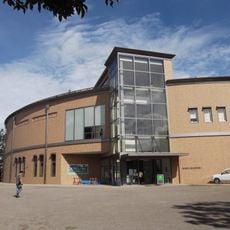
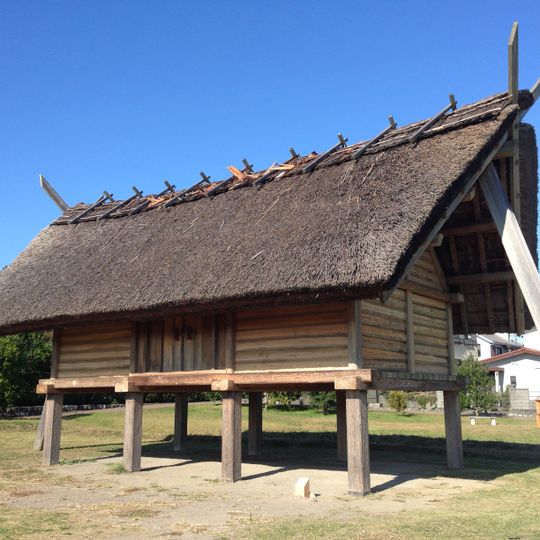
The site features reconstructed buildings and information panels that help visitors understand ancient village life. A small museum at the entrance displays selected finds and explains the archaeological methods used during excavation.
The settlement was destroyed by a catastrophic flood of the Abe River, so the paddies seen today are reconstructed, not original ground. The 1999-2003 re-excavation also found small ridges inside the fields, showing they were divided into small plots rather than the large ones assumed earlier.
The community of curious travelers
AroundUs brings together thousands of curated places, local tips, and hidden gems, enriched daily by 93,940 contributors worldwide.