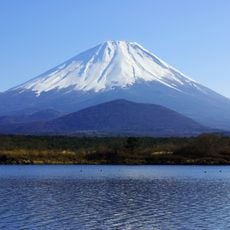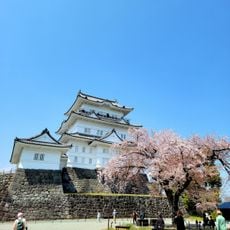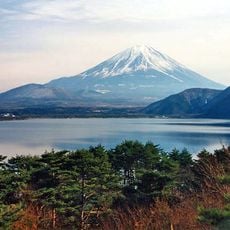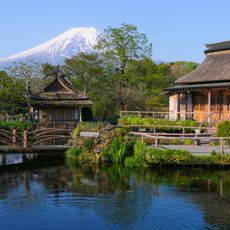
Fuji-Hakone-Izu National Park, National park across Yamanashi, Shizuoka, Kanagawa and Tokyo, Japan
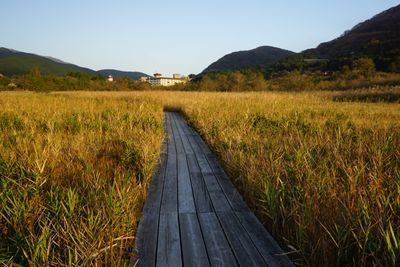
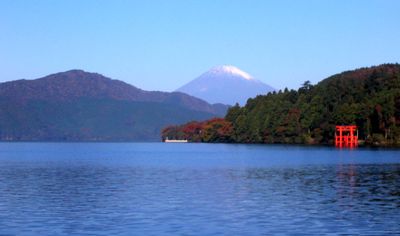
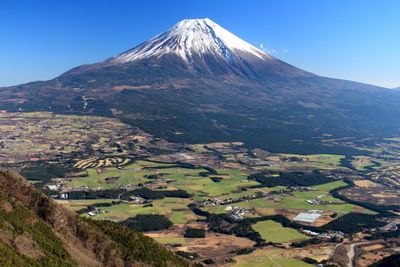
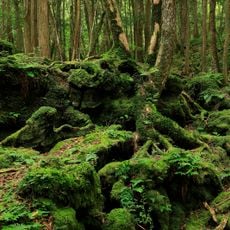
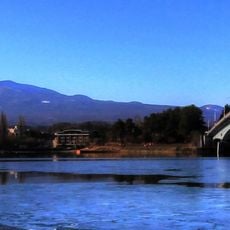
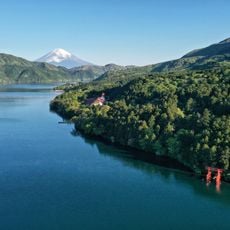
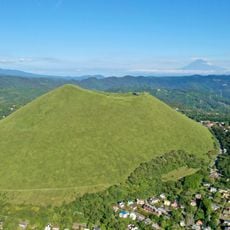
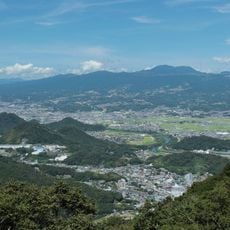
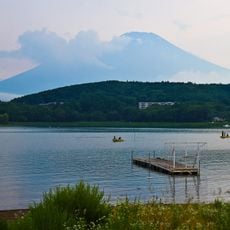
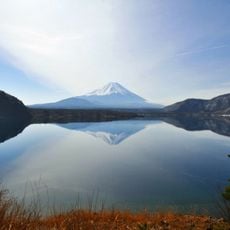
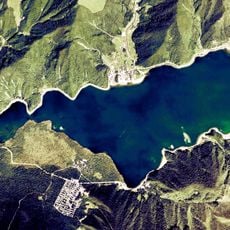
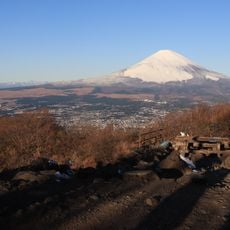
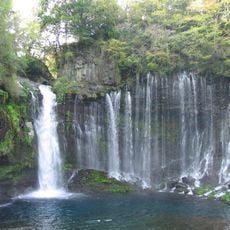
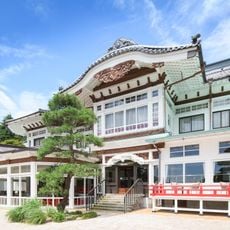
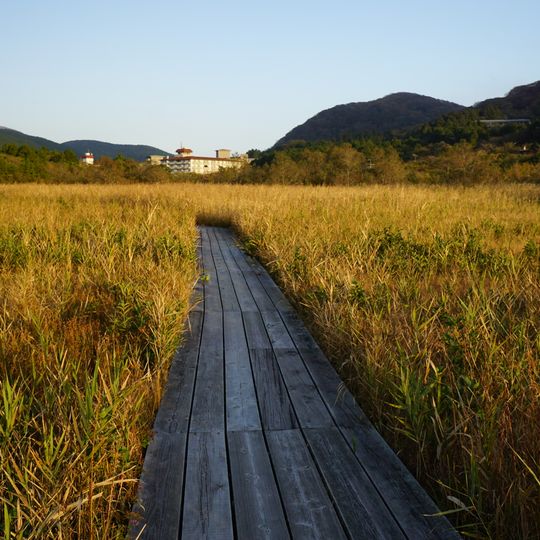
This park spans four prefectures and connects Mount Fuji with five lakes, the Hakone region, the Izu Peninsula, and island groups scattered across the coastline. The landscape combines volcanic mountains, hot springs, dense forests, and coastal areas into one vast protected area.
The park was established in 1936 as one of Japan's earliest protected natural areas. It gained recognition as a UNESCO World Heritage site in 2013 due to its exceptional landscapes and cultural significance.
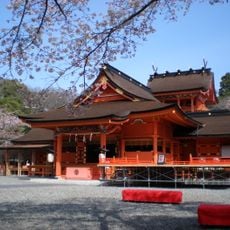
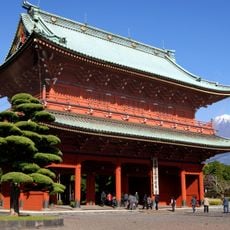
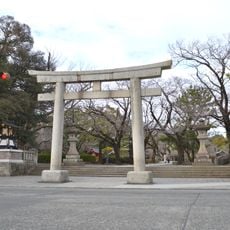
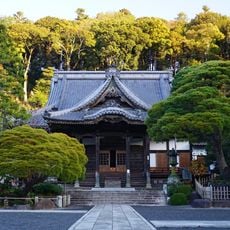
The mountain holds deep spiritual importance in Japanese tradition, with pilgrimage routes and shrines marking its slopes as a sacred destination. This spiritual dimension shapes how locals and visitors experience the entire area, from the surrounding lakes to the mountain itself.
Cable cars, funicular railways, and mountain trains connect different parts of the park, making it easier to reach various elevations. Weather conditions change significantly depending on altitude and location, so visitors should plan accordingly.
Aogashima Island, located far south, is officially part of the park despite being hundreds of kilometers from Mount Fuji. This unusual arrangement shows how the protected area reaches across vast distances.
The community of curious travelers
AroundUs brings together thousands of curated places, local tips, and hidden gems, enriched daily by 91,815 contributors worldwide.