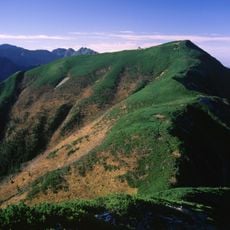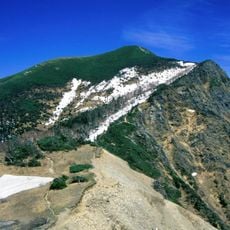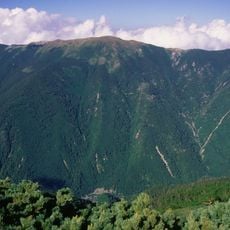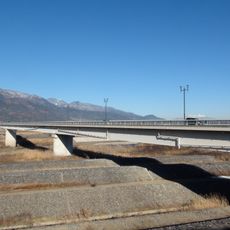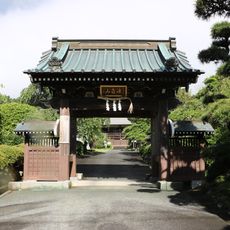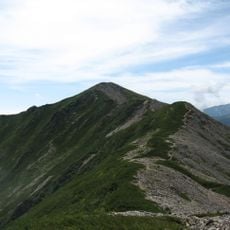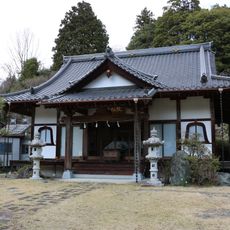
Itoigawa-Shizuoka Tectonic Line, Tectonic fault line in central Honshu, Japan.
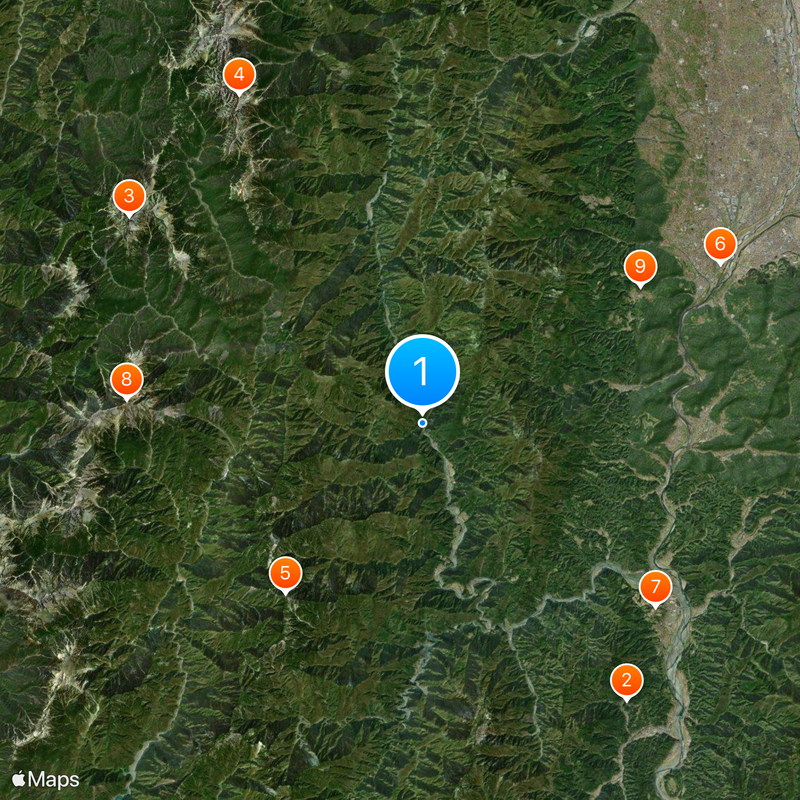
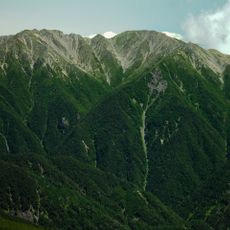
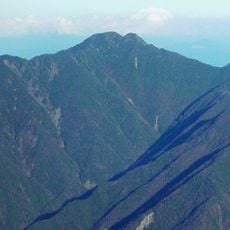
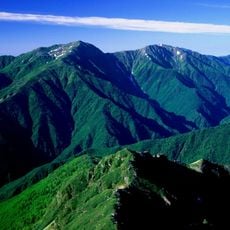
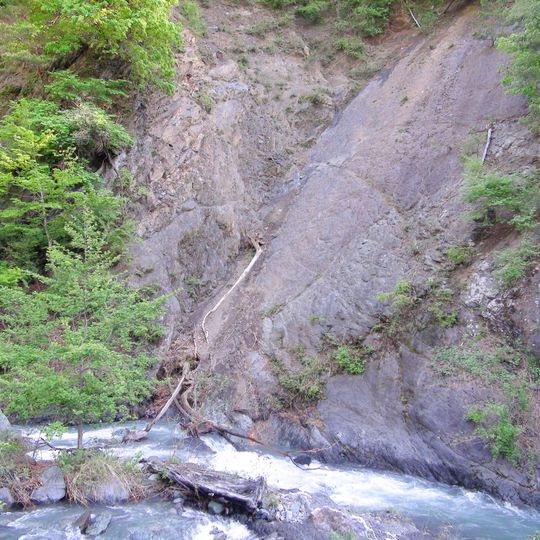
The Itoigawa-Shizuoka Tectonic Line is a geological fault in central Honshu that runs from Itoigawa in Niigata Prefecture through Lake Suwa to Shizuoka Prefecture. It marks the western boundary of the Fossa Magna region and separates geologically different rock formations.
German geologist Dr. Naumann identified this fault during his research expeditions through Japan in the late 19th century. His work laid the foundation for understanding the tectonic structure of the Japanese archipelago.
The Salt Trail followed this geological formation for centuries, enabling the exchange of goods between coastal regions and the interior. Traders carried fish from Niigata into the mountain valleys while bringing back tobacco and cereals for the return journey.
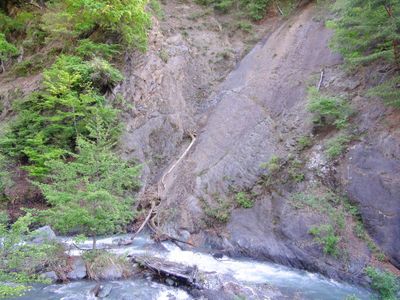
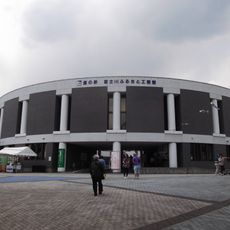
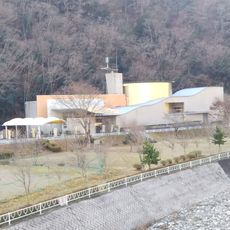
Fossa Magna Park displays an exposed section of the fault where the boundary between rocks of different ages becomes visible. Information boards throughout the park explain the geological features and help with understanding the different rock layers.
The formation contains one of Japan's largest pillow lava tubes, formed by underwater volcanic eruptions when the area was submerged beneath the ocean. These tubes form when lava emerges underwater and rapid cooling creates the characteristic pillow-shaped structures.
The community of curious travelers
AroundUs brings together thousands of curated places, local tips, and hidden gems, enriched daily by 91,260 contributors worldwide.