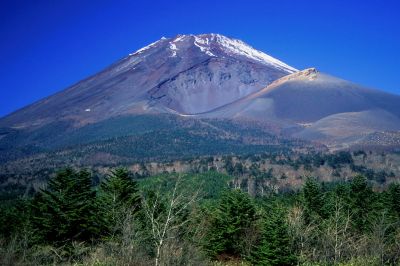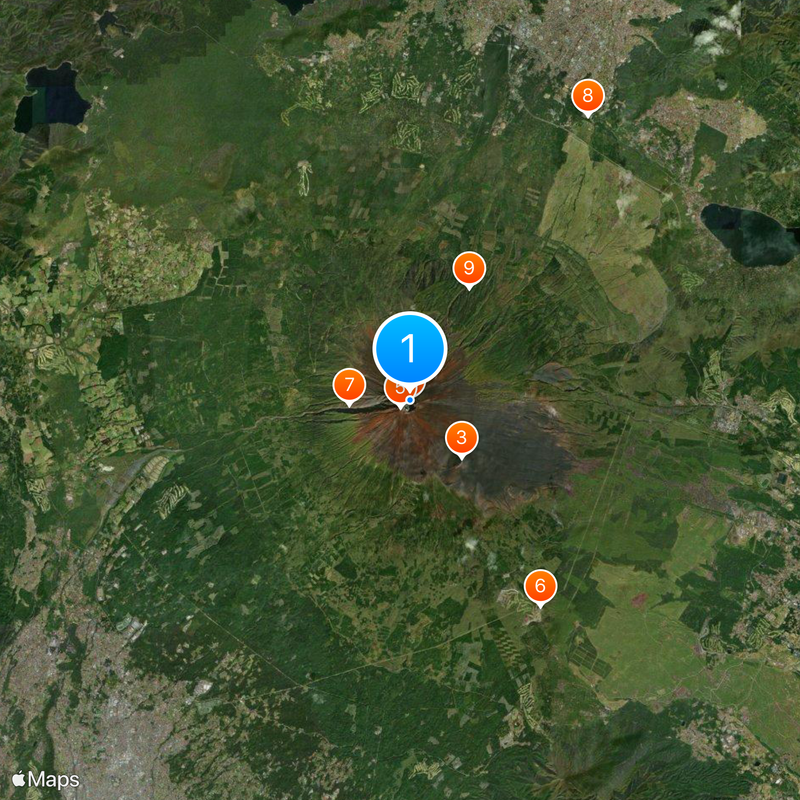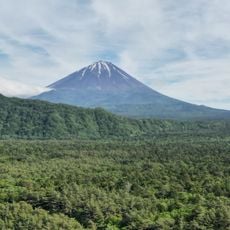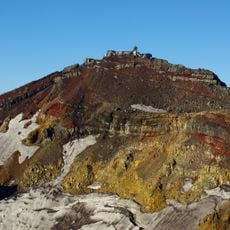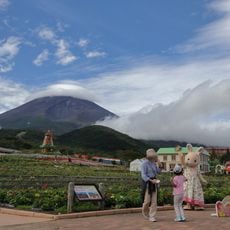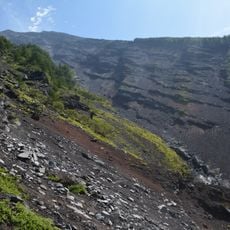
Historic eruptions of Mount Fuji, Volcanic activity site at Mount Fuji, Japan
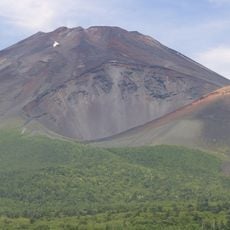
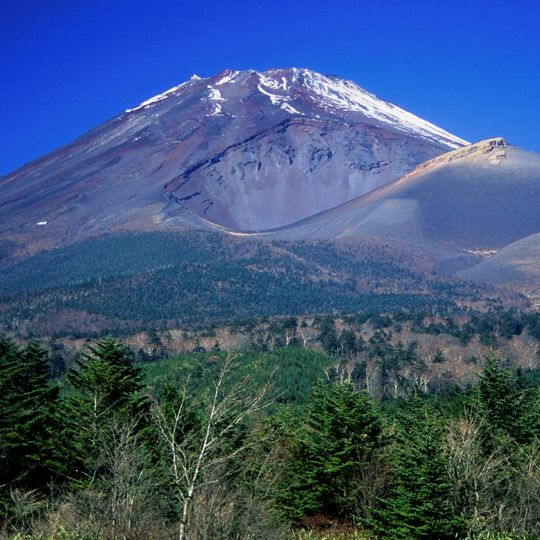
The historic eruptions of Mount Fuji include at least 16 documented events spanning more than a millennium, covering different regions of Japan with ash and debris. The volcano showed different types of activity, from explosive outbursts to slow lava flows that reshaped the surrounding terrain.
The eruption of 864 set off a period of activity that continued with several eruptions during the tenth century. The Hoei event of 1707 followed a severe earthquake and remains the last major occurrence of its kind since then.
Records from 713 CE first mention the mountain as Fuji no Yama, with theories suggesting the name derives from Ainu language terms for fire.
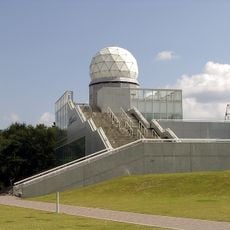
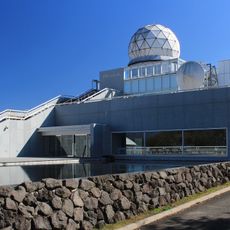
Visitors can explore museums and interpretation centers near the mountain to learn about past eruptions and their impact on the region. Some hiking trails pass by landforms shaped by past volcanic activity, including lava fields and ash layers.
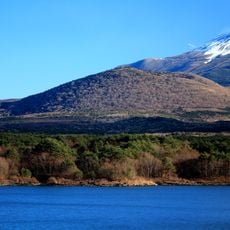
The eruption of 864 split a single lake into two separate bodies of water that still exist today, divided by the cooled lava flow. This process altered the hydrological system of the region and created a new geography that remains visible to this day.
The community of curious travelers
AroundUs brings together thousands of curated places, local tips, and hidden gems, enriched daily by 91,497 contributors worldwide.