Tonlé Sap Biosphere Reserve, Freshwater biosphere reserve in central Cambodia
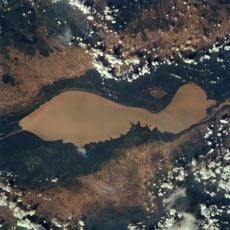
The Tonlé Sap Biosphere Reserve is a vast freshwater protected area in central Cambodia that encompasses the largest freshwater lake in Southeast Asia and its surrounding wetlands. The reserve includes floodplains, forests, and fishing zones spread across millions of hectares, supporting diverse wildlife and plant species.
UNESCO designated this region as a biosphere reserve in 1997 to protect its natural diversity and environment. A Royal Decree in 2001 strengthened this status by formally establishing protected core areas within the reserve.
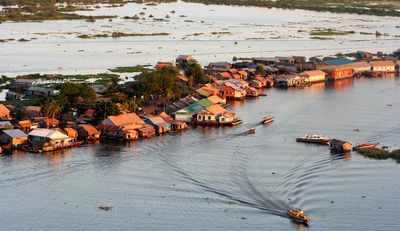
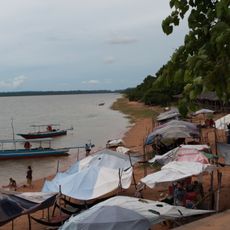
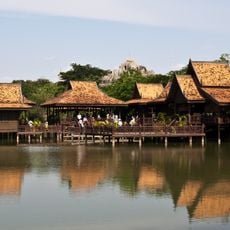
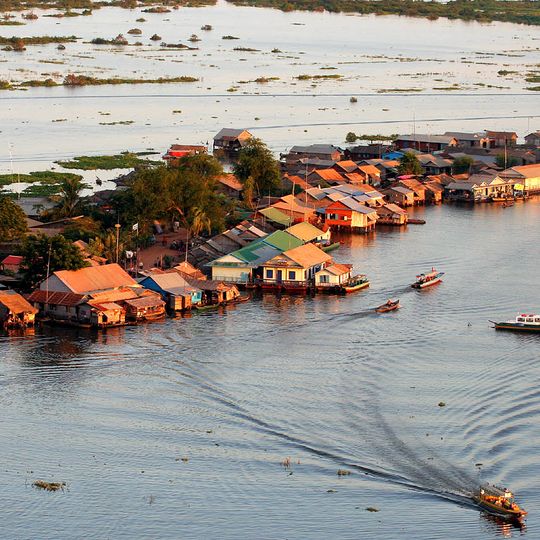
Local fishing communities have adapted to dramatic water level changes by building homes on floating platforms that rise and fall with the seasons. This way of life shapes daily activities around the lake and reflects how people have learned to work with nature rather than against it.
The best time to visit is during or after the monsoon season when water levels are highest and birdwatching is most rewarding. Visitors should book guided tours from nearby towns like Siem Reap and prepare for boat and walking excursions that can take several hours.
During the monsoon season, the Mekong River reverses its flow direction and feeds into Tonlé Sap Lake from the south. This rare hydrological reversal causes the water surface to expand dramatically and creates a dynamic ecosystem that visibly transforms throughout the year.
The community of curious travelers
AroundUs brings together thousands of curated places, local tips, and hidden gems, enriched daily by 60,000 contributors worldwide.