Jeoldu-san, Memorial and pilgrimage site in Hapjeong-dong, Seoul, South Korea
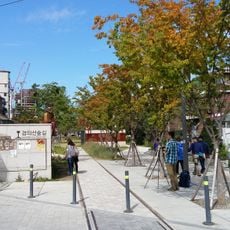
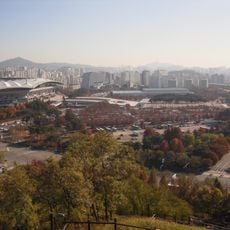
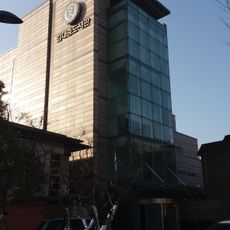
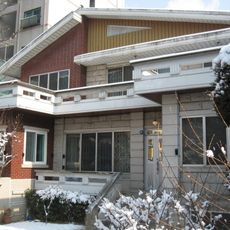
Jeoldu-san is a rocky promontory above the Han River in Mapo-gu, Seoul, named for the executions that took place there. Its three-storey memorial hall, built in 1966, has a plate-shaped roof modelled on a scholar's gat hat, a vertical wall standing for the neck blade and chains for shackles. The complex holds a pilgrimage church, a crypt with relics of 28 martyr saints and exhibition rooms.
This site marks the memory of mass executions in the 1860s when Korean Catholic converts lost their lives during a period of religious persecution. That tragedy became a defining moment in Korean religious history and shaped the legacy preserved here today.
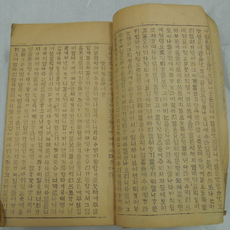
The name Jeoldu-san means "decapitation mountain," referring to the executions held on the promontory. The memorial museum, renamed in 2000, displays relics of martyrs such as Yi Byeok, Yi Gahwan and Jeong Yak-yong, along with 31 biographical panels of Father Choe Yang-eop and 27 of the married virgins Yu Jung-cheol and Yi Sun-i. In the plaza stand a statue of Father Kim Dae-geon and the tomb of Bak Sun-jip, whose sixteen family members were killed together.
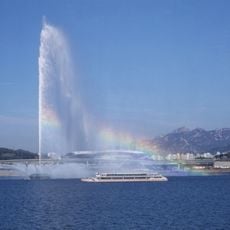
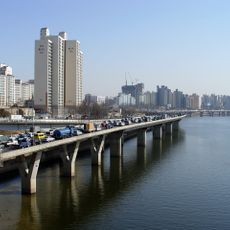
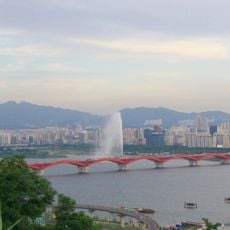
The site sits in Mapo-gu beside the Yanghwajin Foreigners' Cemetery, at the old Yanghwa ferry landing on the Han River. The memorial museum is a three-storey building on the cliff, with a pilgrimage church and a crypt holding relics of 28 martyrs. Look for the roof shaped like a scholar's gat hat, the vertical wall standing for the neck knife and the chains for shackles.
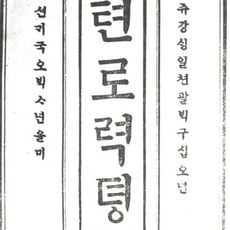
The memorial enshrines about 3,000 relics tied to the martyrs, and its plaza holds the tomb of Park Sun-jip (1830–1911), whose stele records sixteen family members executed together. Pope John Paul II visited in 1984 and Mother Teresa a year later.
The community of curious travelers
AroundUs brings together thousands of curated places, local tips, and hidden gems, enriched daily by 93,471 contributors worldwide.