Hallasan National Park, National park in Jeju, South Korea
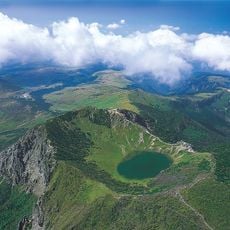
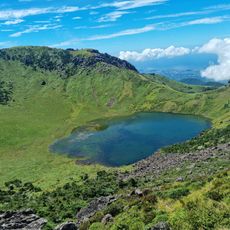
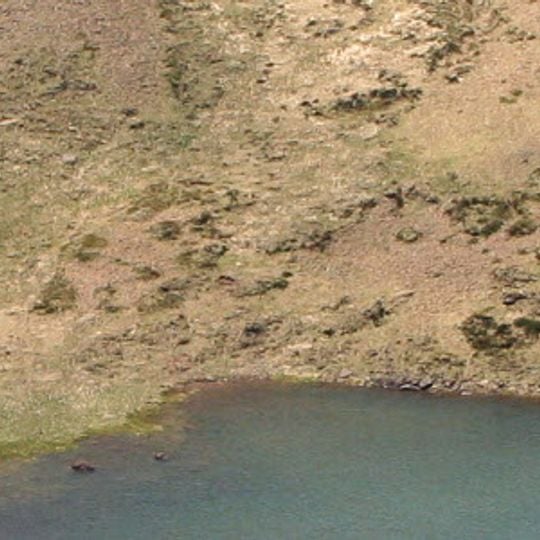
Hallasan National Park is a shield volcano of mostly basalt that rises 1,950 m above sea level, the highest point in South Korea, within a 153.112 km2 park on Jeju Island. Its slopes climb gradually from east to west but fall steeply on the south side, and at the summit lies Baekrokdam, a crater lake. The park holds 1,800 kinds of plants, including 400 specimen plants and 50 special plants.
The site received national park status in 1970 to protect the island's natural diversity. It later gained UNESCO World Heritage recognition in 2007 as part of Jeju's volcanic landscape.
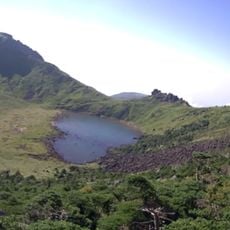
The name Hallasan combines the Korean words for "pull" (hallak) and "mountain" (san), from a legend that the peak was pulled down from the heavens. The summit crater lake is called Baekrokdam, "white deer lake". The park is managed by Jeju Special Self-Governing Province, not the Korea National Park Service.
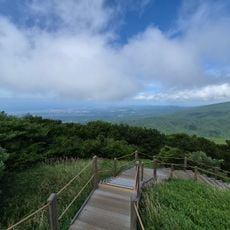
The park is walkable with several marked trails of varying difficulty, ranging from short day hikes to longer routes taking several hours. Visitors should bring weather-resistant clothing and sturdy footwear since conditions at higher elevations are cooler and can change quickly.
Hallasan is the only one of South Korea's 22 national parks not run by the Korea National Park Service; it is managed by Jeju Special Self-Governing Province. The provincial Hallasan Research Institute opened at the park's management office on 15 January 2001, with a research laboratory added in 2003.
The community of curious travelers
AroundUs brings together thousands of curated places, local tips, and hidden gems, enriched daily by 93,616 contributors worldwide.