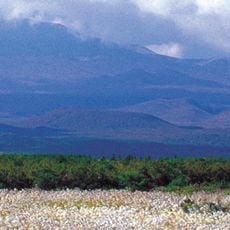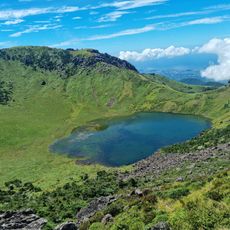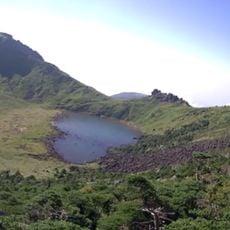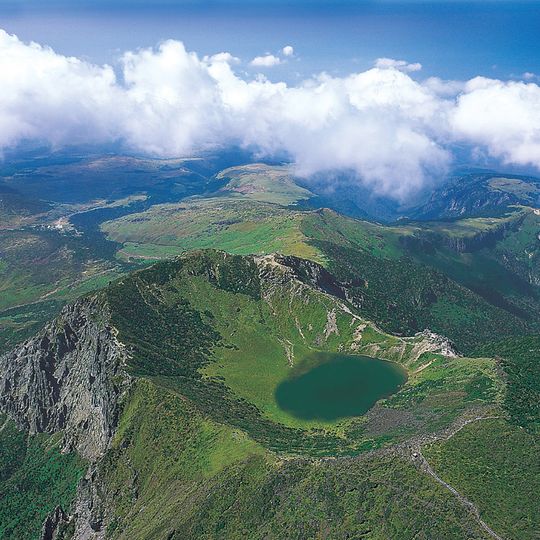
Hallasan, Shield volcano in Jeju Island, South Korea.
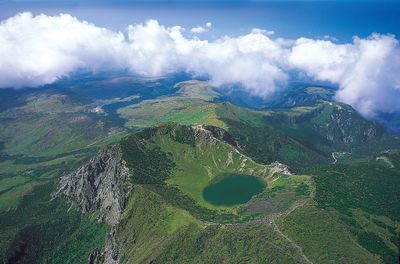
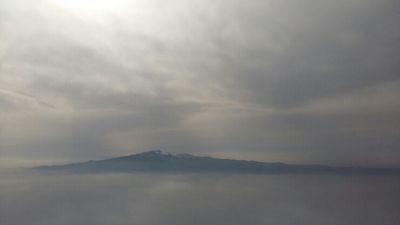
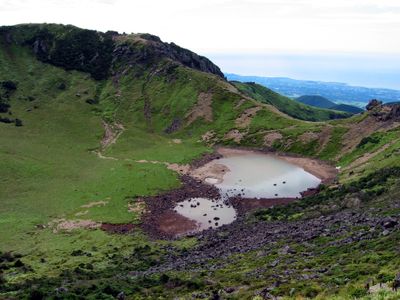
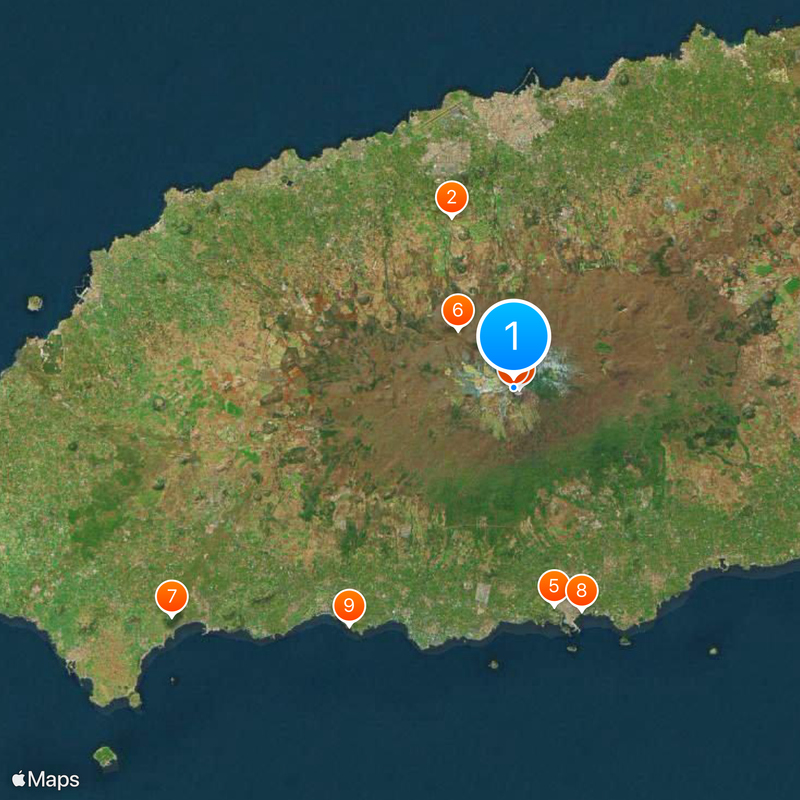
Hallasan is a shield volcano on Jeju Island in South Korea, with a summit reaching 1950 meters (6398 feet) above sea level and a crater lake called Baengnokdam at the top. The terrain consists of massive basalt layers, cooled lava flows and jagged rock formations that spread across the entire central region of the island.
Volcanic activity started about two million years ago and shaped the entire island of Jeju through repeated eruptions over time. The last major eruption took place around 3000 BCE, after which forests and vegetation gradually covered the cooled lava fields.
The name means a mountain high enough to pull down the Milky Way. Local people regard the summit as a sacred place where heaven and earth meet, and many hikers follow this tradition today.
The summit trails Gwaneumsa and Seongpanak are often closed during winter, and all routes require sturdy footwear due to loose stones and steep sections. Shorter paths lead to observation points below the crater and offer views of the different vegetation zones without completing the entire ascent.
The area includes 368 parasitic cones called oreum, which represents the highest number of such structures for a single volcano worldwide. Each of these secondary craters formed through separate eruptions and now carries its own vegetation and shape.
The community of curious travelers
AroundUs brings together thousands of curated places, local tips, and hidden gems, enriched daily by 90,765 contributors worldwide.