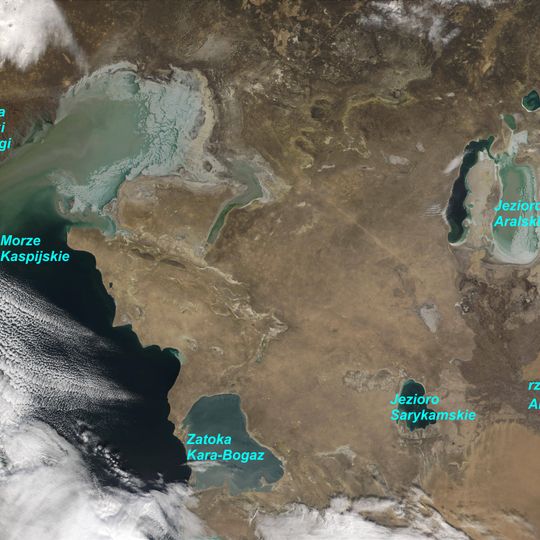
Turan Depression, Desert plain in Central Asia, Kazakhstan and Uzbekistan
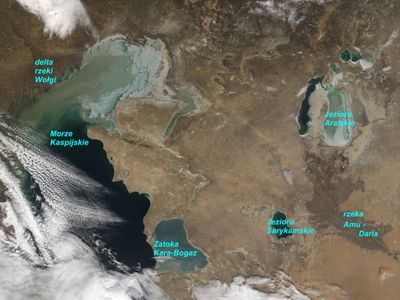
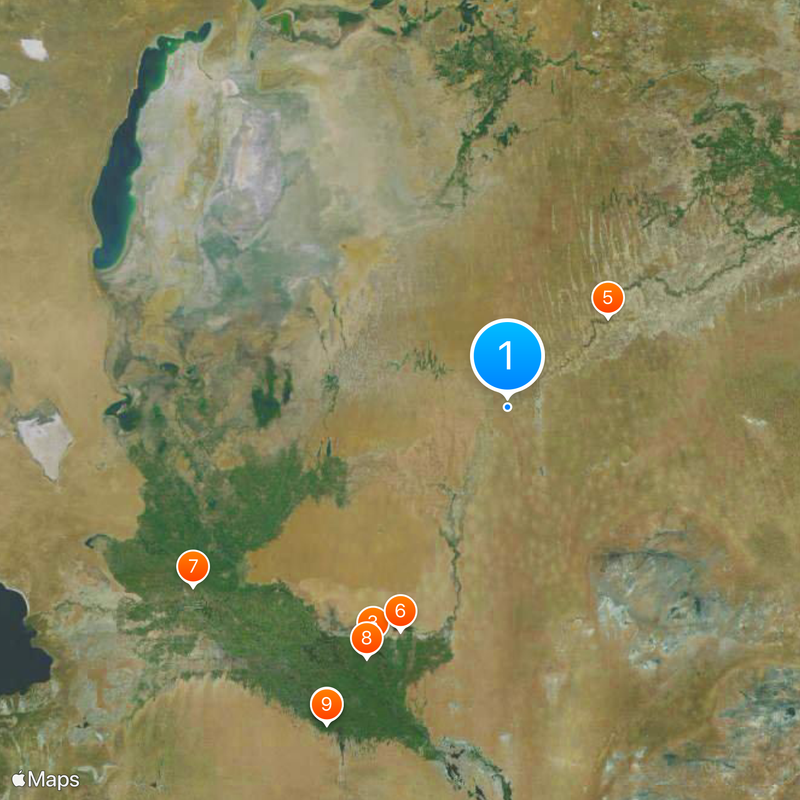
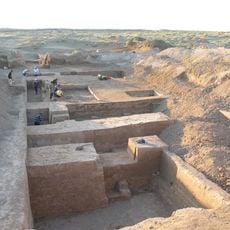
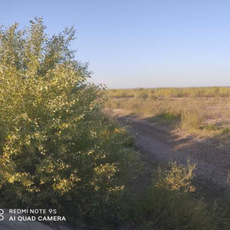
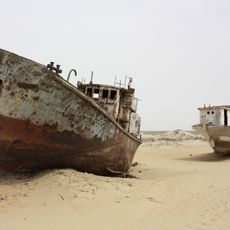
The Turan Depression is a vast flat plain stretching across Kazakhstan and Uzbekistan between the Caspian and Aral seas. The landscape consists mainly of sandy desert, salt-crusted lowlands, and dry stream beds that occasionally channel water through the region.
This depression formed when an ancient sea that once covered the region gradually separated into distinct water bodies over geological time. The resulting landscape shaped Central Asia's physical geography and became a natural corridor for movement across the continent.
The depression served as a passage for nomadic tribes including Scythians, Huns, and Mongols, shaping the cultural development of Central Asian populations.
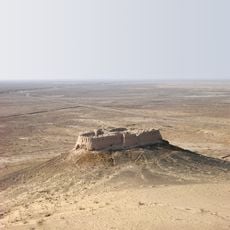
The region is extremely dry with very little rainfall throughout the year, so visitors should prepare for scarce water sources and harsh sun exposure. The landscape is mostly flat and open, offering minimal shelter from the elements, which makes planning important for any extended exploration.
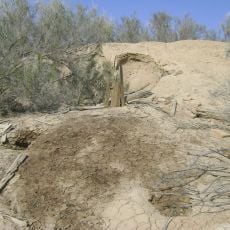
The Vpadina Akchanaya basin drops to 81 meters below sea level, making it one of the lowest points of this depression. This geological formation displays visible rock layers and evidence of how the land transformed over vast stretches of time.
The community of curious travelers
AroundUs brings together thousands of curated places, local tips, and hidden gems, enriched daily by 60,000 contributors worldwide.