South Aral Sea, Former lake between Kazakhstan and Uzbekistan
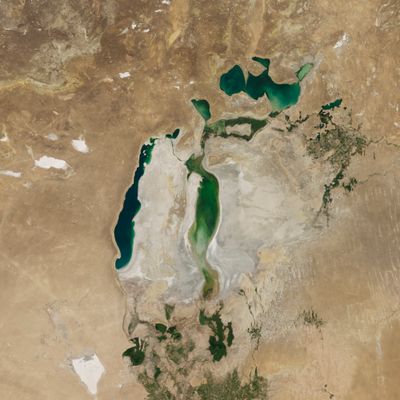
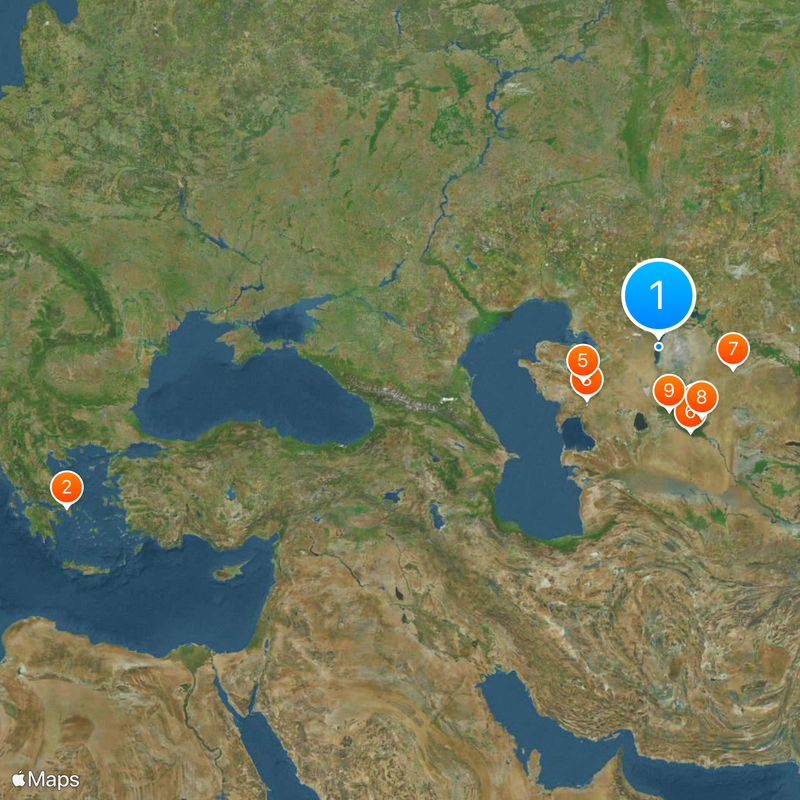
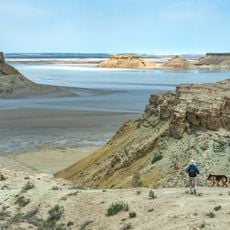
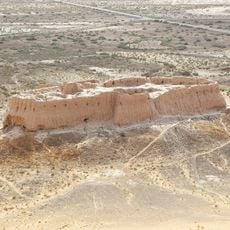
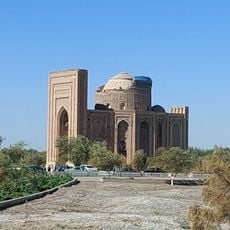
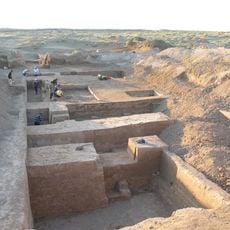
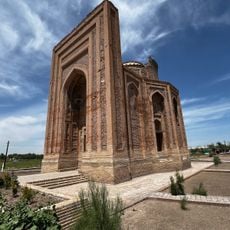
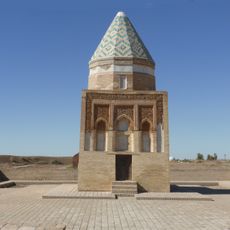
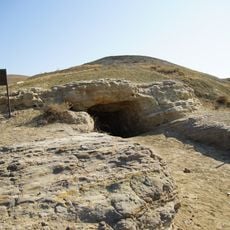
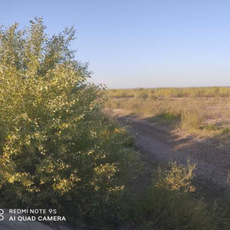
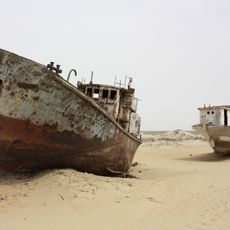
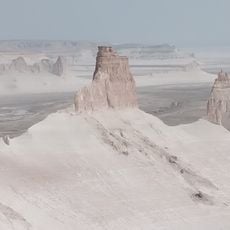
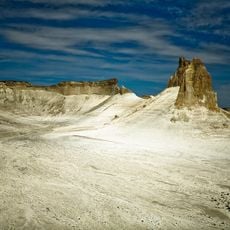
The South Aral Sea is a former water body that once lay across Aktobe, Kyzylorda, and Karakalpakstan, marking the border between Kazakhstan and Uzbekistan. What remains is a flat, barren landscape of exposed seabed, ghostly shorelines, and the scattered remnants of villages that once thrived along its waters.
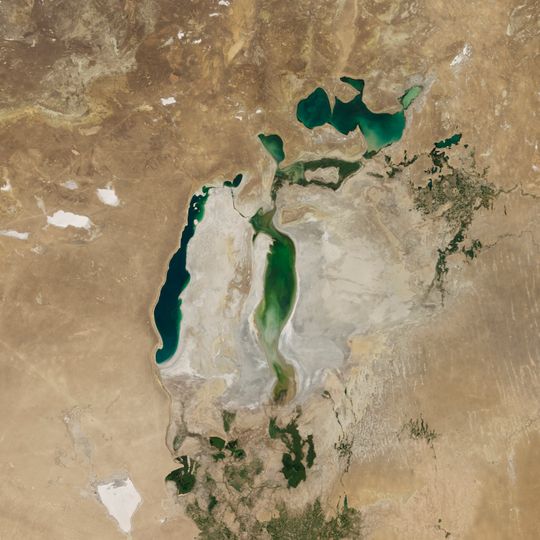
Soviet irrigation schemes starting in the 1960s diverted the Amu Darya and Syr Darya rivers to grow cotton, setting the sea on a path of steady decline. Over the next decades this process accelerated, transforming a thriving body of water into a dry basin that reshaped the lives of millions in the region.
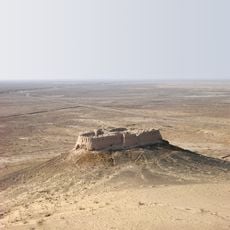
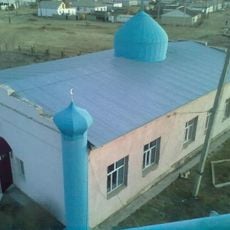
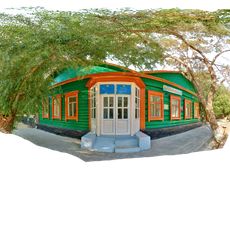
The people living here, Kazakhs and Uzbeks, once built their lives around fishing and trade on these waters, seeing their practices disappear as the lake shrank. Today you can still sense this lost connection in the small settlements that dot the former shoreline.
The best time to visit is between April and September when weather conditions are dry and temperatures are more comfortable. You can reach the former shoreline from Aralsk in Kazakhstan or Muynak in Uzbekistan, and sturdy footwear plus plenty of water are essential for crossing the barren landscape.
The eastern basin of the dried seabed transformed into the Aralkum Desert, a new landscape that satellite imagery has tracked since the shrinkage began. This shift shows how rapidly human activity and natural processes can reshape an entire ecosystem.
The community of curious travelers
AroundUs brings together thousands of curated places, local tips, and hidden gems, enriched daily by 90,790 contributors worldwide.