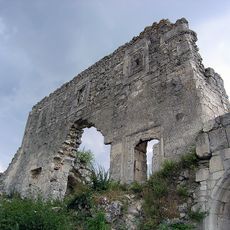
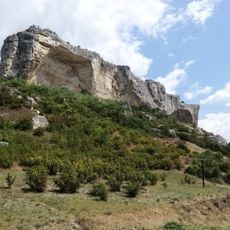
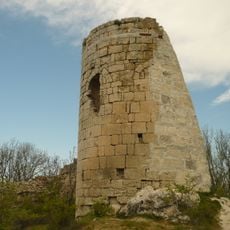
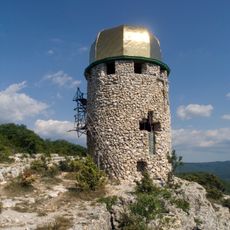
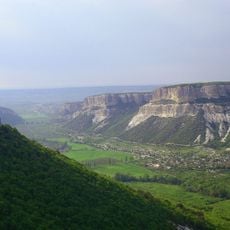
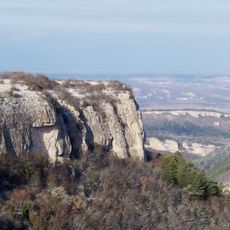
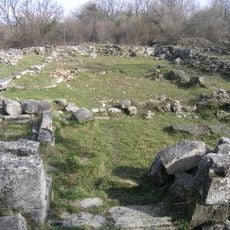
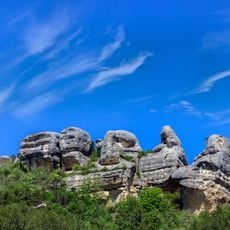
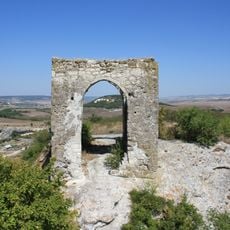
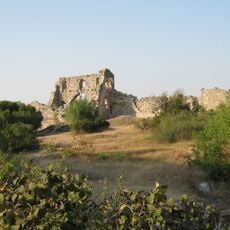
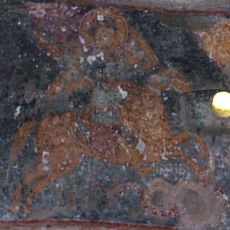
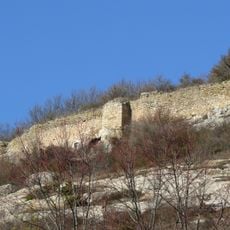
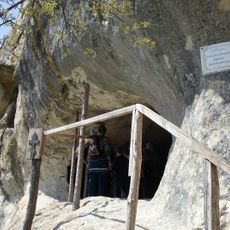
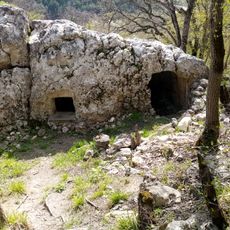
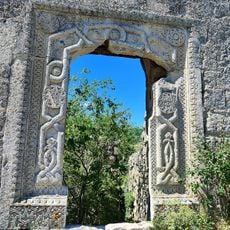
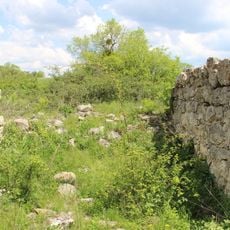
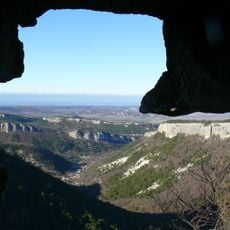
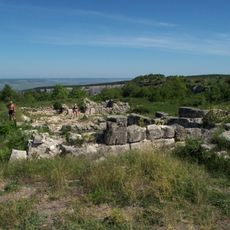
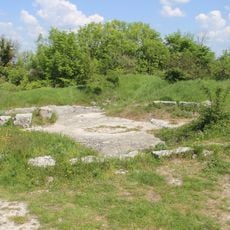
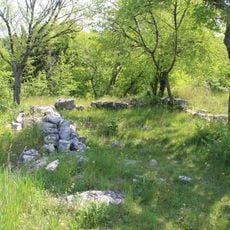
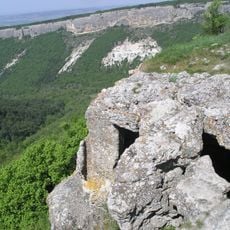
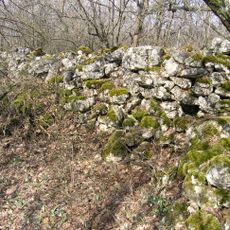
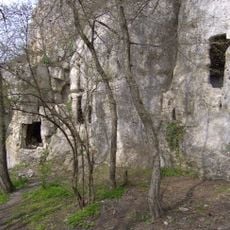
Chelter-Koba, Cave monastery in Republic of Crimea.
Chelter-Koba is a cave monastery of the Simferopol eparchy in the Belbek valley, about one kilometre from the village of Bolshoye Sadovoye. Its complex consists of a cave main church, cells and a refectory linked by paths cut into the rock monolith, with over 50 caves arranged in four tiers. On a lower tier, a large hall with five columns holds a platform considered a giant tarapan, and its eastern edge is cut as a small Christian church.
Founded probably in the 13th–14th centuries (some sources say the 8th–9th) on the northern borders of the Principality of Theodoro, near the Suyren fortress, the monastery's main church was dedicated to Saint Theodore Stratelates. It was destroyed in 1475, when the Turks invaded Crimea and captured Theodoro. Restoration began in the early 2000s, and in October 2015 the cave monastery was listed as a federal cultural heritage site.
This site served the surrounding region as a spiritual center where monks conducted prayers and visitors sought refuge. The caves functioned as a gathering place for faith and daily connection between monastic life and village communities.
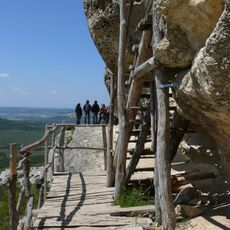
Access to the caves involves climbing old stone steps and navigating narrow passages that require care and attention. Visitors should expect uneven ground, low ceilings in some areas, and limited natural light inside.
The name Chelter-Koba comes from Crimean Tatar: çilter means "lattice" or "grille" and qoba means "cave", so it reads as "lattice-cave". In one lower tier a large hall with five columns holds a raised platform nearly a third of its floor, taken to be a giant tarapan, a grape-pressing vat; its eastern edge is cut as a small Christian chapel.
The community of curious travelers
AroundUs brings together thousands of curated places, local tips, and hidden gems, enriched daily by 93,108 contributors worldwide.