Mangup Kale Complex Natural Monument, Natural monument in Autonomous Republic of Crimea.
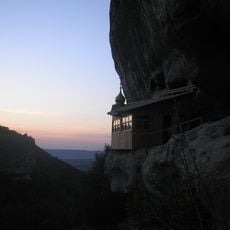
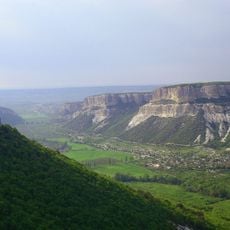
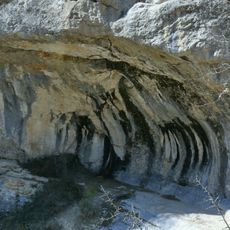
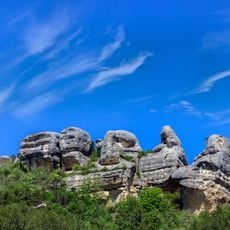
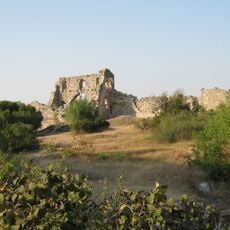
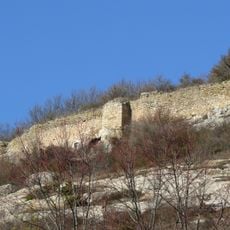
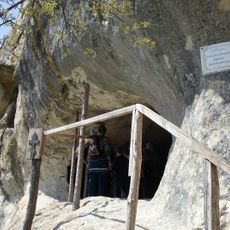
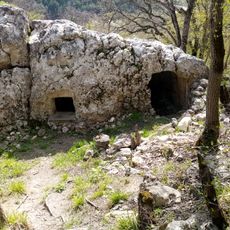
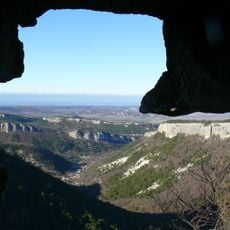
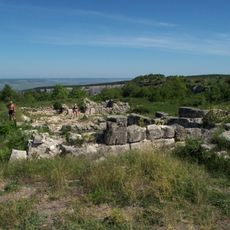
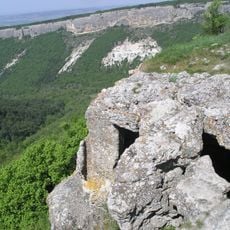
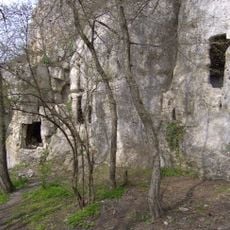
Mangup Kale Complex is a 90-hectare natural monument on the Baba-Dag outlier of the Inner Crimean Mountains, a plateau at 583 m above sea level rising 250 m above the surrounding valleys. Its northern side carries four long capes, from west to east Chamny-Burun, Chufut-Cheargan-Burun, Elli-Burun and Teshkli-Burun. The limestone holds the 230 m Mangup cave, 80 grottoes and overhangs, and many man-made caves cut between the 5th and 18th centuries.
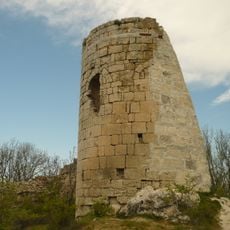
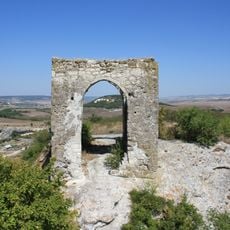
The settlement began at the end of the third century and later grew into a Byzantine fortress during Emperor Justinian I's time, with people living here until the sixteenth century. This growth from a small community to a fortified city shows how the location remained important through different periods and rulers.
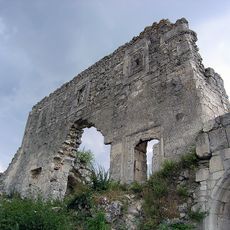
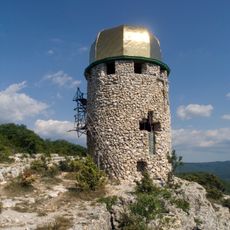
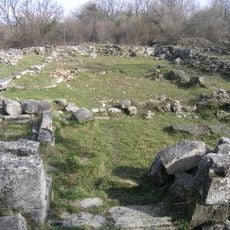
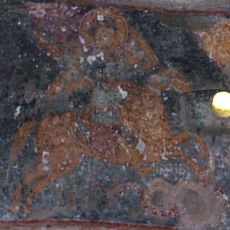
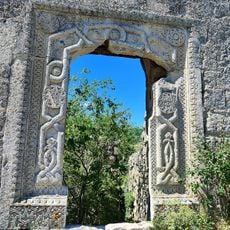
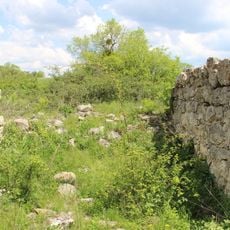
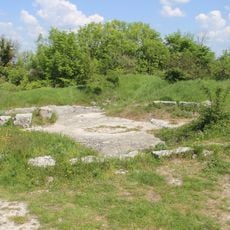
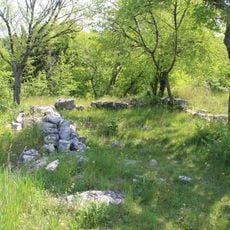
Mangup was the capital of the Principality of Theodoro, a Crimean Gothic state, before becoming an Ottoman fortress. Its name is often paired with Kale, meaning fortress in Turkish. Visitors can still see the foundations of the Great Basilica and rock-cut cave churches and tombs on the plateau, traces of the Christian community that lived here from the 5th to the 18th centuries.
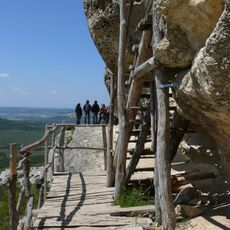
You can reach the plateau by following a single road or several paths that wind through the gorges from the Karalezka valley below. Wear sturdy shoes since the terrain varies and some sections can be uneven or steep in places.
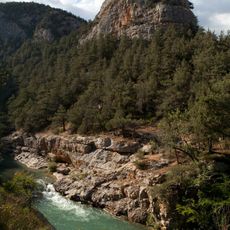
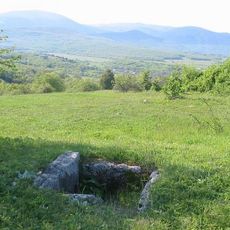
Natural water streams flow from the upper sections of the rock formation, and these springs sustained the ancient community for centuries without needing external water sources. This self-sufficient water supply was one of the key reasons people could settle and thrive in such a remote location.
The community of curious travelers
AroundUs brings together thousands of curated places, local tips, and hidden gems, enriched daily by 94,426 contributors worldwide.