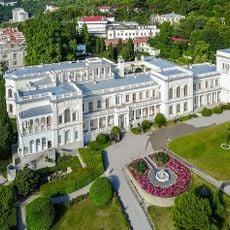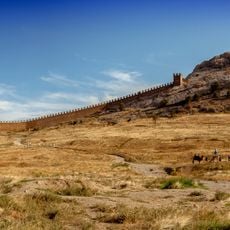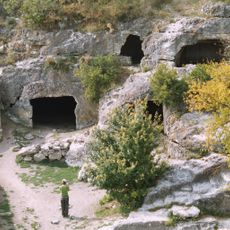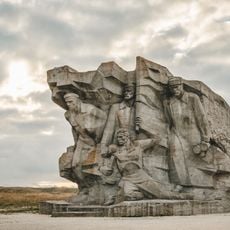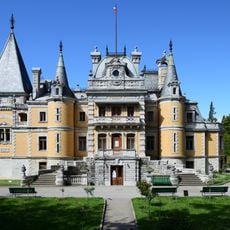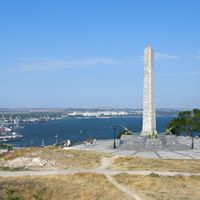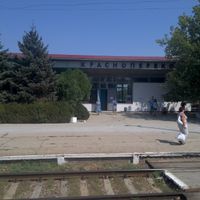
Autonomous Republic of Crimea, Disputed territory on Black Sea peninsula in Ukraine.
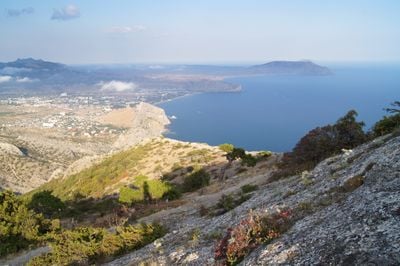
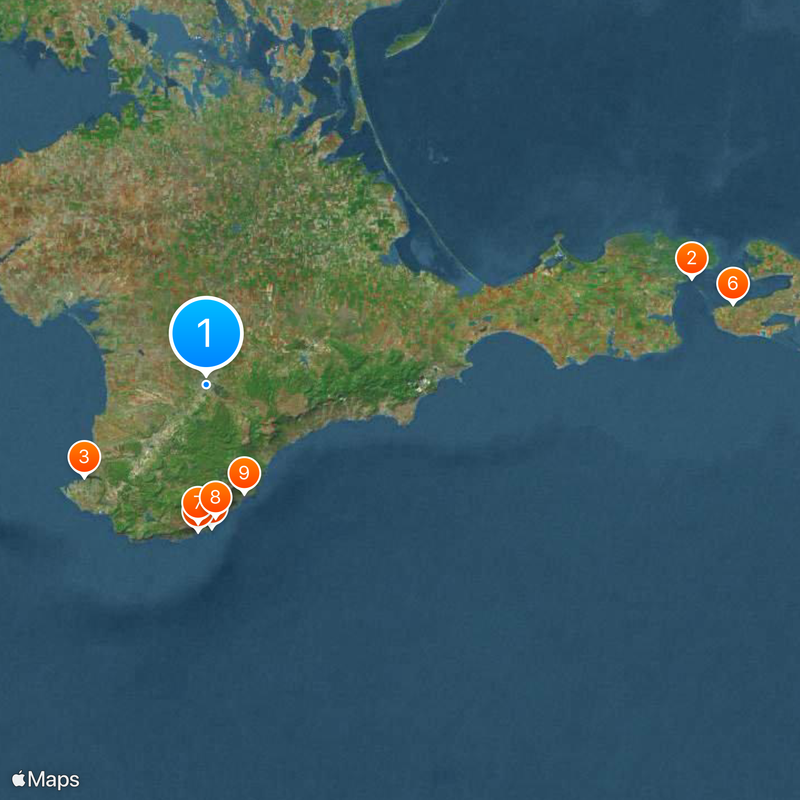
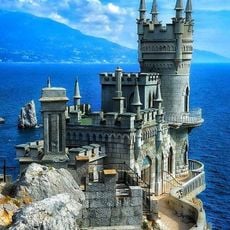
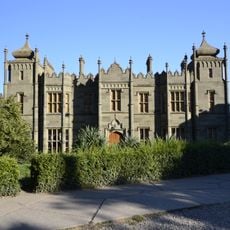
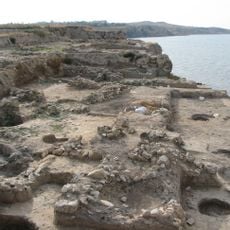
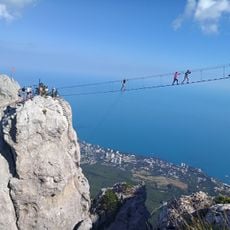
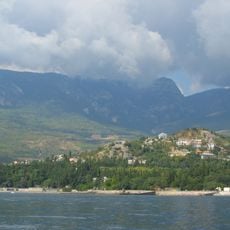
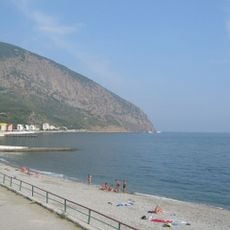
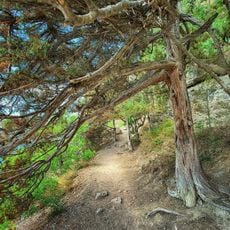
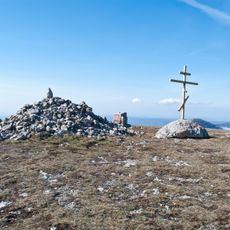
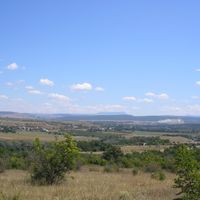
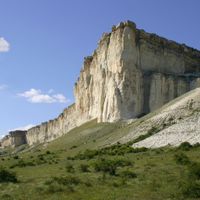
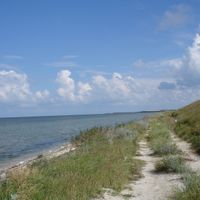
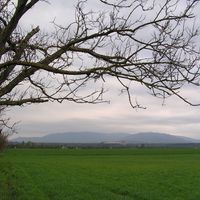
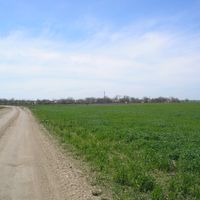
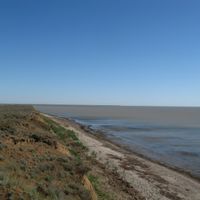
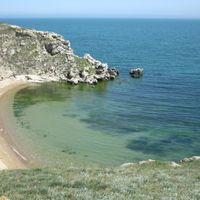
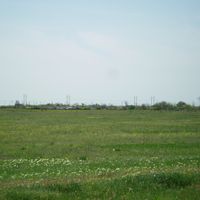
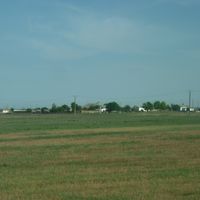
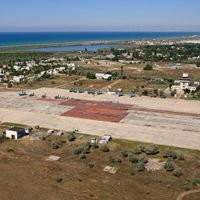
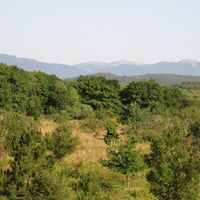
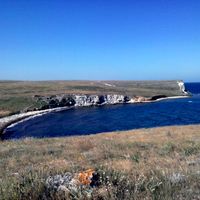
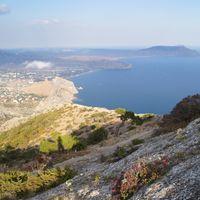
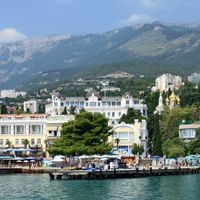
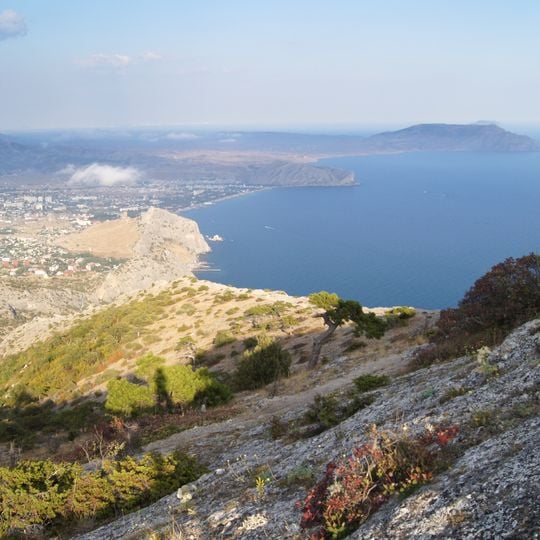
The Autonomous Republic of Crimea is a disputed territory on a Black Sea peninsula in Ukraine, covering an area of roughly 27,000 square kilometers. The landscape divides into three zones: the flat northern steppes marked by wheat fields and sparse vegetation, the forested central mountains rising over 1,500 meters, and the southern coastline with a mild climate, where beach resorts and vineyards line the shore.
The area received autonomous republic status within Ukraine in 1991, after having been part of the Ukrainian Soviet Republic since the 1950s. In 2014, Russia occupied the peninsula militarily and organized a referendum whose result was not internationally recognized, leading to ongoing diplomatic tensions.
The area today shows a mix of languages, with Russian most commonly heard in daily life, while Ukrainian and Crimean Tatar can also be encountered in certain towns. Local markets, street signs and public spaces reflect this linguistic variety, making the visit culturally layered.
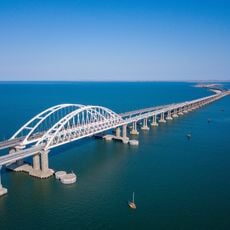
The main transport routes lead through the Isthmus of Perekop in the north and the Crimean Bridge in the east, though travelers should consider the current political situation, as border controls and access restrictions may apply. Within the territory, buses connect the larger towns, while the southern coastal areas are easier to reach than the mountainous interior.
The peninsula holds numerous mineral water springs and therapeutic mud deposits, which have been used for healing treatments since the 19th century. Some of these wellness centers lie along the southern coast and offer visitors a look into old bathhouse traditions that continue today.
The community of curious travelers
AroundUs brings together thousands of curated places, local tips, and hidden gems, enriched daily by 92,169 contributors worldwide.